
Decade-old volume indicator gets a new look in latest Windows 11 preview

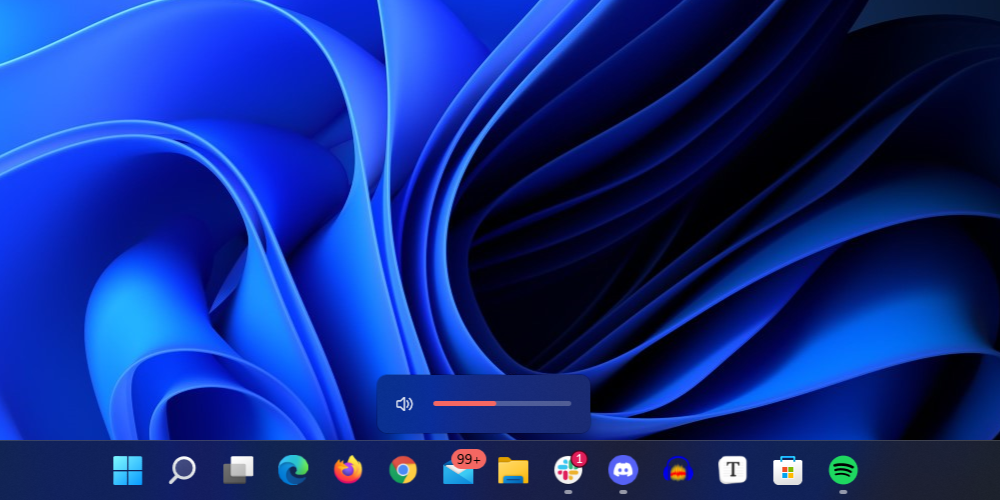
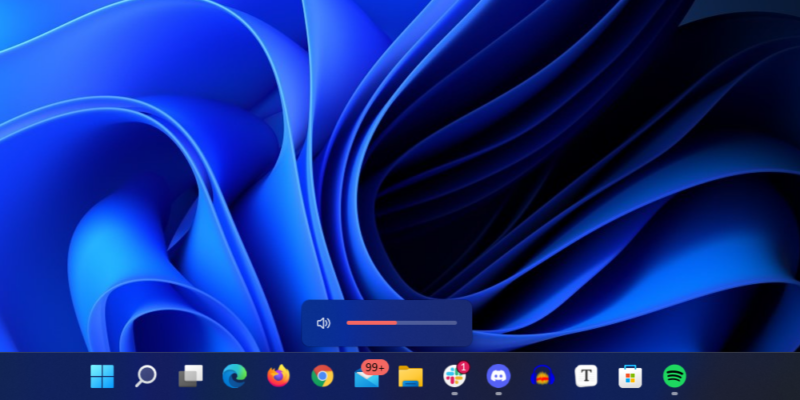
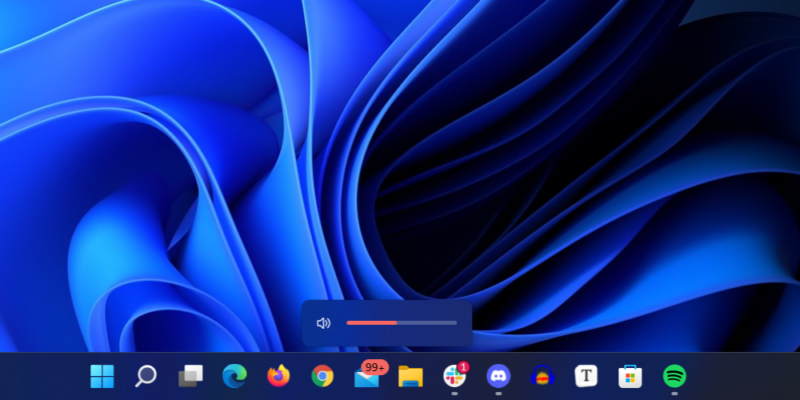
The humble volume indicator, reimagined for Windows 11.

Enlarge / The humble volume indicator, reimagined for Windows 11. (credit: Andrew Cunningham)

Improving Windows 11’s visual and functional consistency is shaping up to be a major priority for Microsoft this year, as evinced by the continued updates to core apps like Notepad, Paint, and Media Player, as well as the ongoing effort to move advanced settings out of the old Windows 7-era Control Panels and into the modern Settings app. Restoring some flexibility to redesigned areas of the OS like the Start menu and Taskbar has also been a focus.

The latest Windows 11 Insider build released to Dev channel users continues this work, updating the overlays for volume, brightness, and other settings to match Windows 11’s more rounded look. The new indicators pop up in the bottom center of your screen rather than the top left, they will respect your light or dark mode setting, and, like the Start menu and taskbar, they use Mica styling to match the color of your desktop wallpaper.
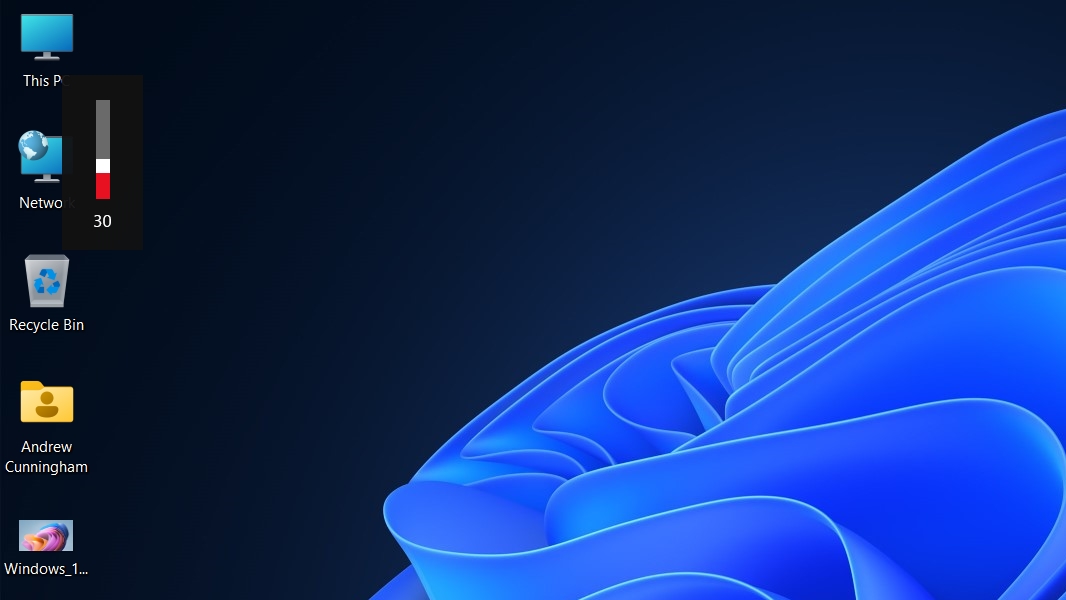
The other changes in this preview build are pretty small; “Apps and Features” in the Windows + X shortcut menu has been relabeled as “Installed apps,” the Voice Access accessibility feature can be pinned to the Taskbar and Start menu, and the Clock app can be uninstalled. Exciting times!

Read 1 remaining paragraphs | Comments
Default Constructor in Java – Class Constructor Example

In this article, we will talk about constructors, how to create our own constructors, and what default constructors are in Java. What is a constructor?As a class-based object-oriented programming term, a constructor is a unique method used to initialize a newly created object (class). There are a few rules

Dropbox starts testing native Apple M1 support

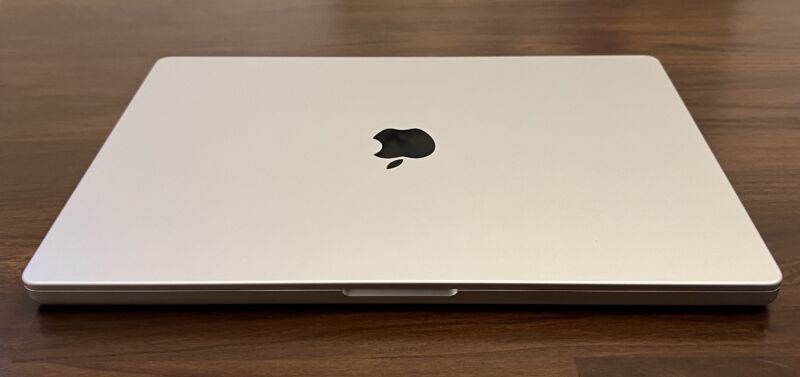
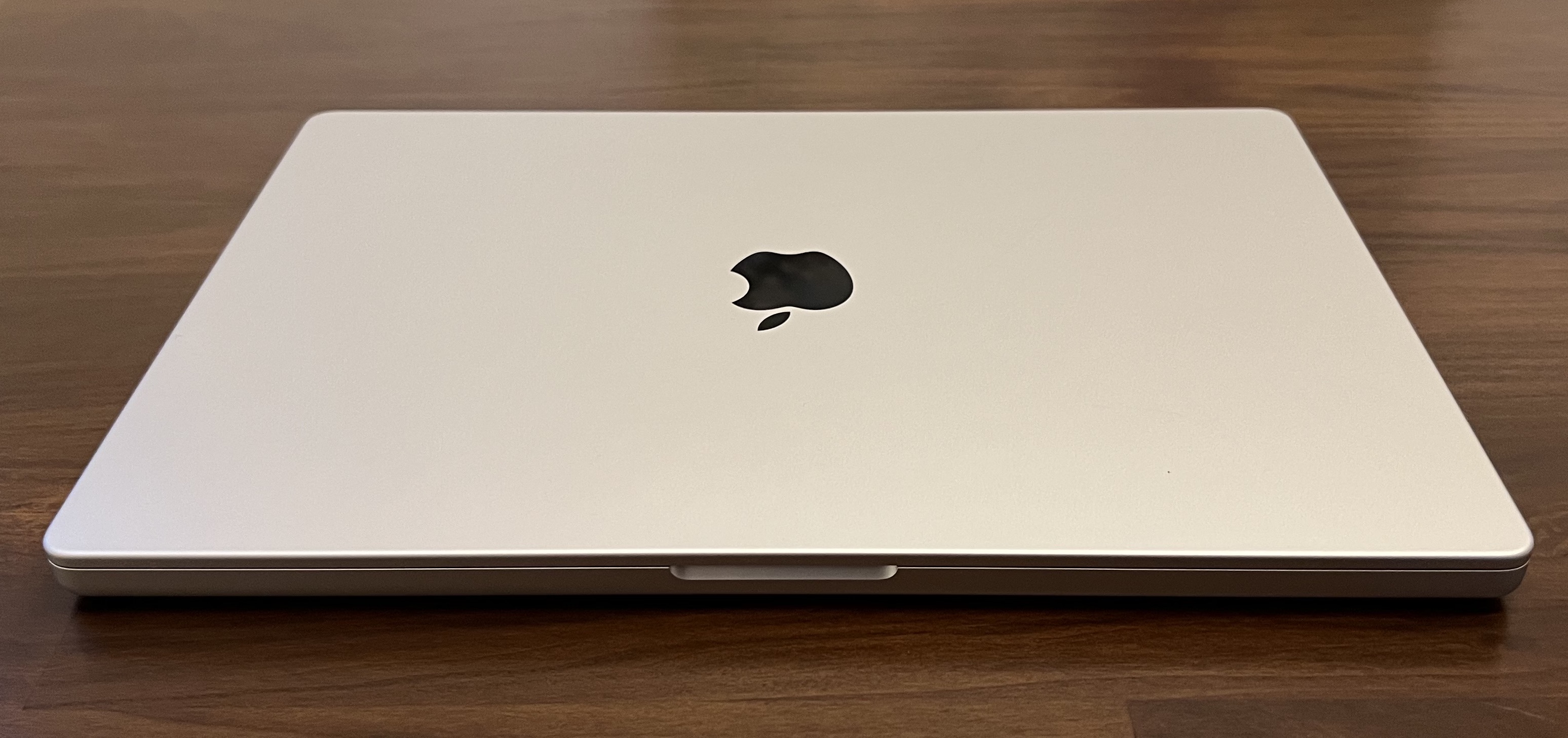
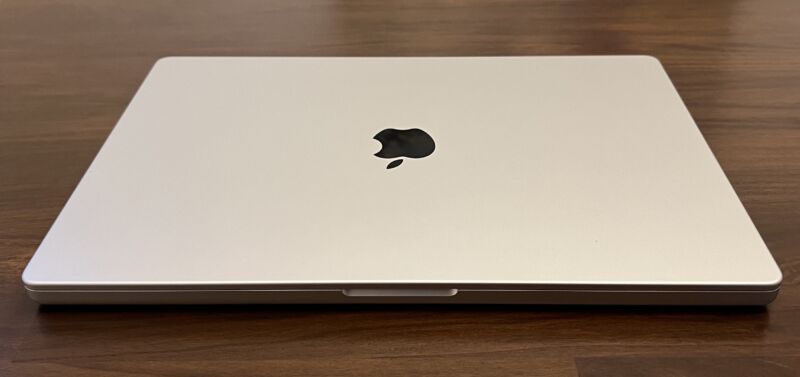
The front of a closed, silver-colored laptop on a table

Enlarge / The 2021 MacBook Pro needs an emulator to run Dropbox’s app. (credit: Samuel Axon)

A recently released beta version of Dropbox’s app for macOS has added support for Apple Silicon in the current MacBook Air, MacBook Pro, 24-inch iMac, and Mac Mini. The release is the first step toward fulfilling the company’s promise to offer native support for M1-based Macs.

Apple debuted its M1 silicon in 2020. Until now, Dropbox did not offer a native version of its file-hosting service for computers using Apple’s chips, frustrating some professional users who rely on and pay for the program for work.

Without the beta, M1 users are required to use Rosetta 2, software that translates apps with x86_64 instructions for Apple’s Arm-based silicon, in order to use the Dropbox app. Running Rosetta 2, however, can generally affect battery life, memory, and performance. For most users, Rosetta 2 is a sufficient solution for running Intel-based applications. And it’s possible that some lesser-known apps will never be transitioned to M1 systems at all.

Read 4 remaining paragraphs | Comments

Find the soul