
The DeanBeat: The best of CES 2022 as seen from afar

BMW's iX E Ink can change its color.


Join gaming leaders, alongside GamesBeat and Facebook Gaming, for their 2nd Annual GamesBeat & Facebook Gaming Summit | GamesBeat: Into the Metaverse 2 this upcoming January 25-27, 2022. Learn more about the event.  Oh, my butt is sore from sitting so much. That was one of the hazards of CES 2022, which I covered for a second year in a row from…Read More

Rocket Report: SpaceX raises more cash, buy your own New Glenn

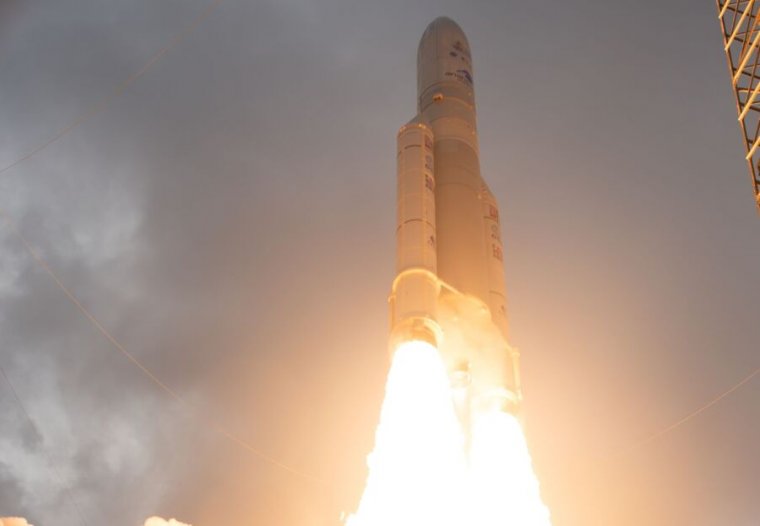
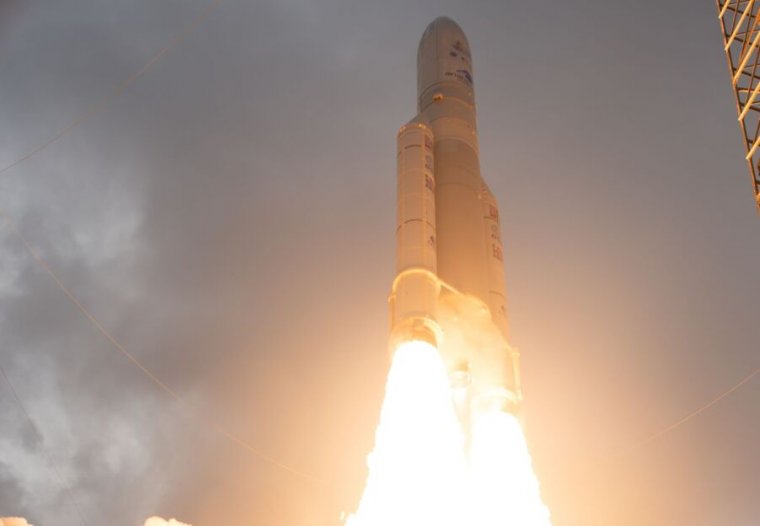
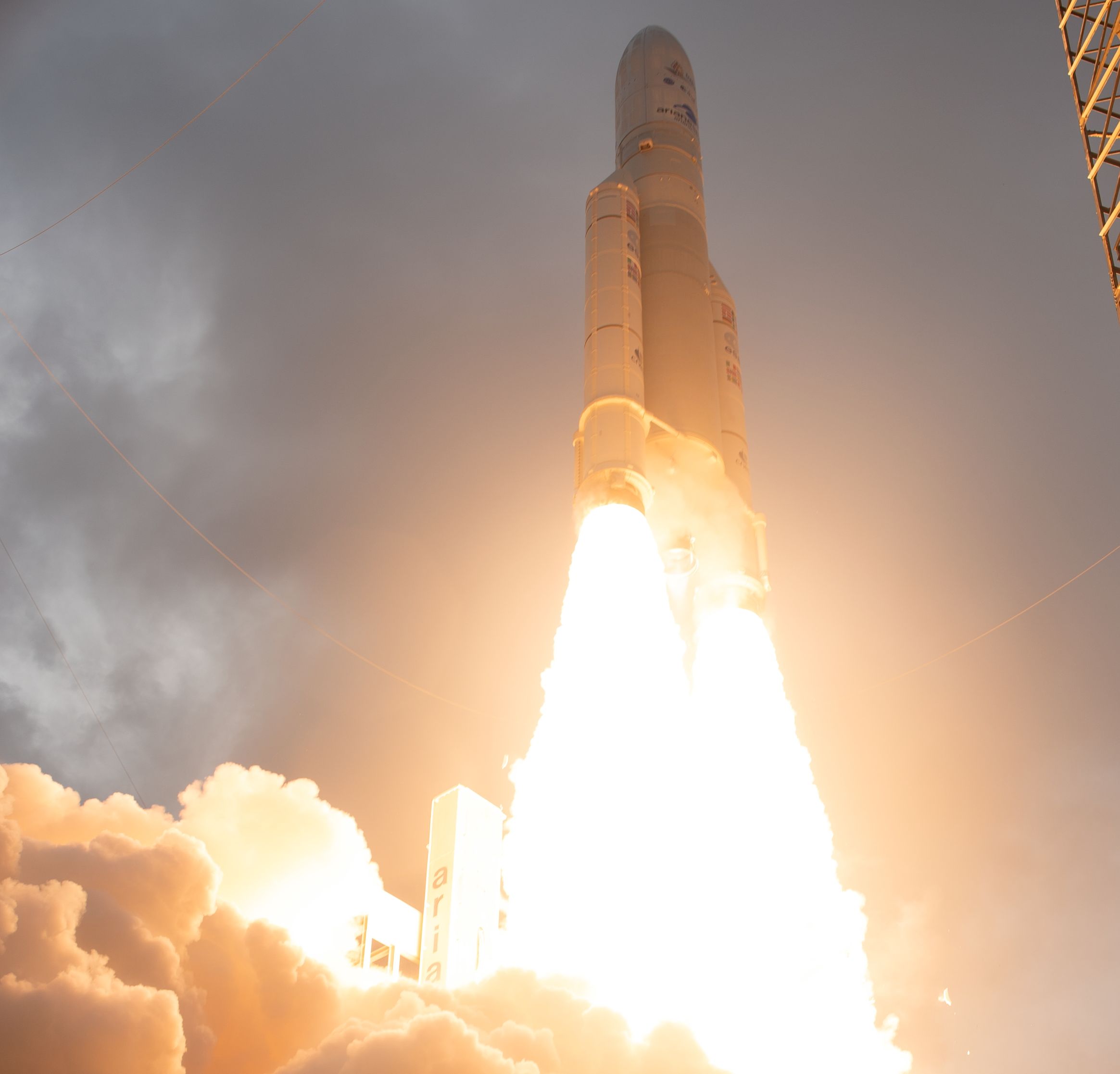
The James Webb Space Telescope lifts off from French Guiana on an Ariane 5 rocket on December 25.

Enlarge / The James Webb Space Telescope lifts off from French Guiana on an Ariane 5 rocket on December 25. (credit: ESA – S. Corvaja)

Welcome to Edition 4.27 of the Rocket Report! And after two weeks away, the Rocket Report is back. I’d like to say I’m tanned, rested, and ready, but hey, one out of three isn’t bad. Anyway, there’s a ton of news to report after the holiday hiatus, so let’s jump right into it.

As always, we welcome reader submissions, and if you don’t want to miss an issue, please subscribe using the box below (the form will not appear on AMP-enabled versions of the site). Each report will include information on small-, medium-, and heavy-lift rockets as well as a quick look ahead at the next three launches on the calendar.

Ukrainian investor asked to divest from Firefly. The US government has requested that Max Polyakov, a wealthy Ukrainian tech entrepreneur, sell his stake in the rocket company Firefly Aerospace Inc., Bloomberg reports. The military cited national security concerns in making the request. Polyakov backed Firefly with $200 million in 2017 after it declared bankruptcy and is credited with turning the company around. Polyakov had already stepped back from Firefly’s board of directors a year ago.

Read 30 remaining paragraphs | Comments

Study: 1960 ramjet design for interstellar travel—a sci-fi staple—is unfeasible

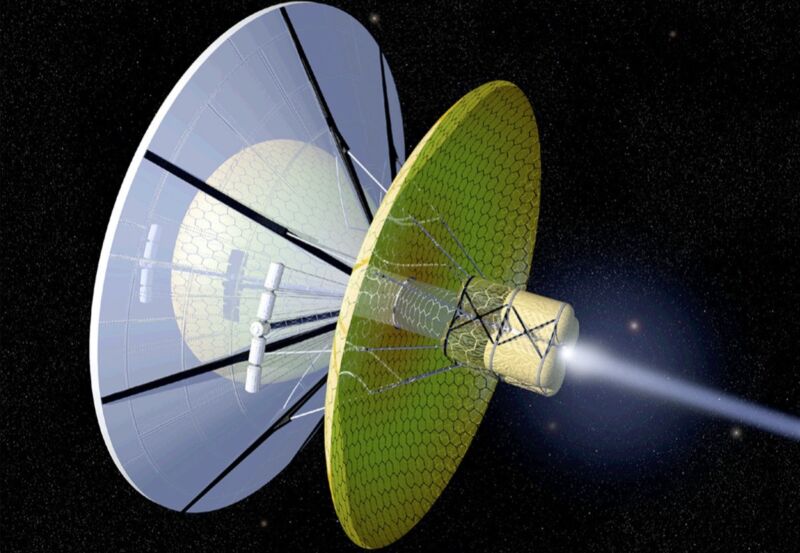
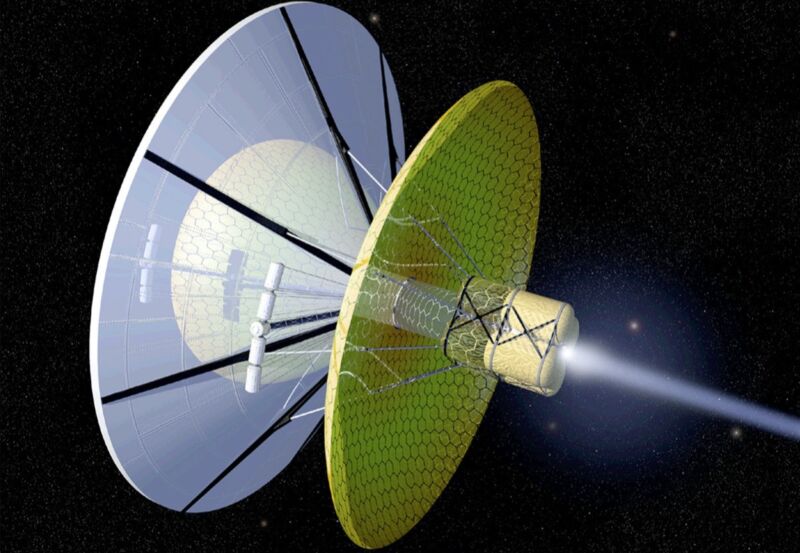
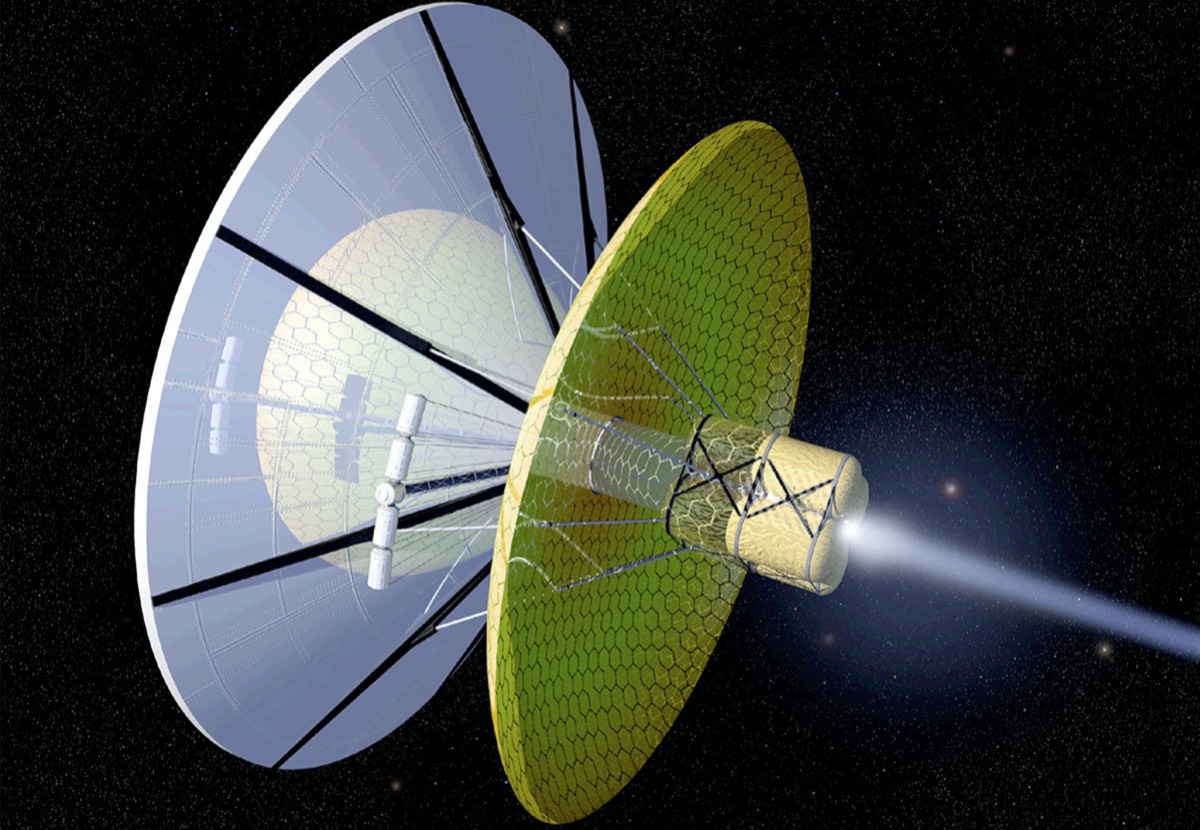
Artist's impression of the Ramjet propulsion system proposed in 1960 by physicist Robert W. Bussard

Enlarge / Artist’s impression of the Ramjet propulsion system proposed in 1960 by physicist Robert W. Bussard (credit: NASA)

In Poul Anderson’s 1970 novel Tau Zero, a starship crew seeks to travel to the star Beta Virginis in hopes of colonizing a new planet. The ship’s mode of propulsion was a so-called “Bussard ramjet,” an actual (though hypothetical) means of propulsion which had been proposed by physicist Robert W. Bussard just a decade earlier. Now, physicists have revisited this unusual mechanism for interstellar travel in a new paper published in the journal Acta Astronautica, and alas, they have found the ramjet wanting. It’s feasible from a pure physics standpoint, but the associated engineering challenges are currently insurmountable, the authors concluded.

A ramjet is basically a jet engine that “breathes” air. The best analog for the fundamental mechanism is that it exploits the engine’s forward motion to compress incoming air without the need for compressors, making ramjet engines lighter and simpler than their turbojet counterparts. A French inventor named Rene Lorin received a patent in 1913 for his concept of ramjet (aka, a flying stovepipe), although he failed to build a viable prototype. Two years later, Albert Fonó proposed a ramjet propulsion unit to increase the range of gun-launched projectiles and eventually was granted a German patent in 1932.

A basic ramjet has three components: an air intake, a combustor, and a nozzle. Hot exhaust from fuel combustion flows through the nozzle. The pressure of the combustion must be higher than the pressure at the exit of the nozzle in order to maintain a steady flow, which a ramjet engine achieves by “ramming” external air into the combustor with the forward speed of whatever vehicle is being powered by the engine. There is no need to carry oxygen on board. The downside is that ramjets can only produce thrust if the vehicle is already moving, so they require an assisted takeoff using rockets. As such, ramjets are most useful as a means of acceleration, such as for ramjet-powered missiles or for increasing the range of artillery shells.

Read 7 remaining paragraphs | Comments

Apple loses a key Mac silicon executive to Intel amidst M1 transition

Enormous, circular complex surrounded by suburban sprawl.

Enlarge / The Apple Park campus stands in this aerial photograph taken above Cupertino in October 2019. (credit: Sam Hall/Bloomberg via Getty Images)

Jeff Wilcox, Apple’s director of Mac system architecture who oversaw much of the Apple Silicon transition, has left Apple to join Intel. He will head up Intel’s efforts to develop its own system-on-a-chip.

Wilcox makes this move after eight years as a key player in Apple’s desktop and laptop product development. Before those eight years, he was actually at Intel, so the move to Intel is a return for him, not an entirely new frontier.

He announced the change on LinkedIn over the past few weeks. In his initial LinkedIn post, he wrote:

Read 3 remaining paragraphs | Comments

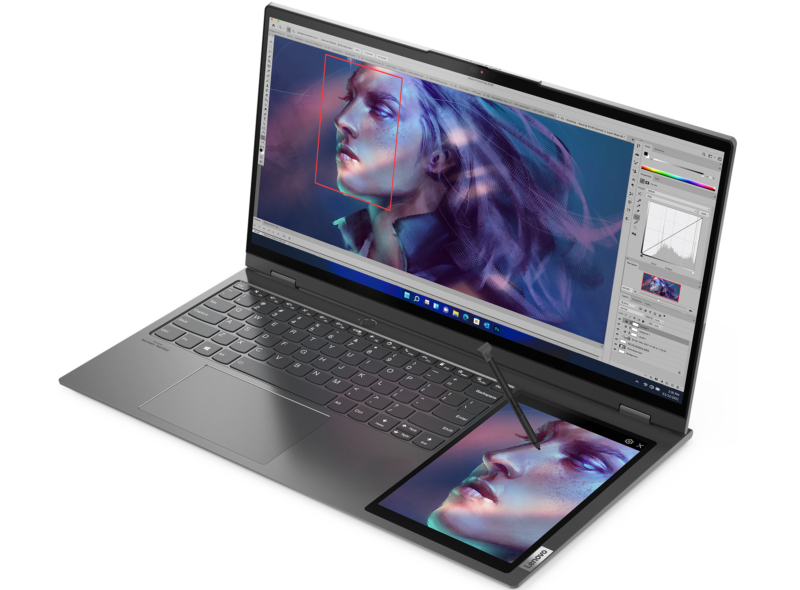
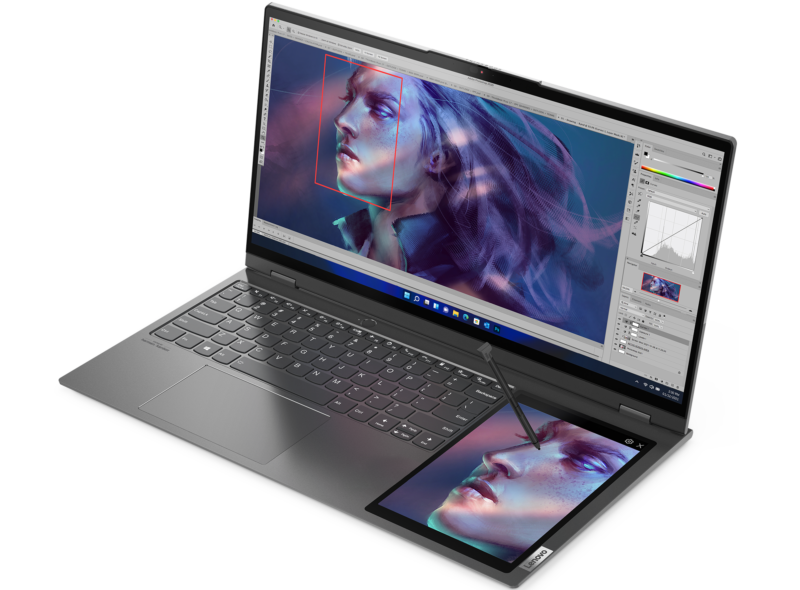
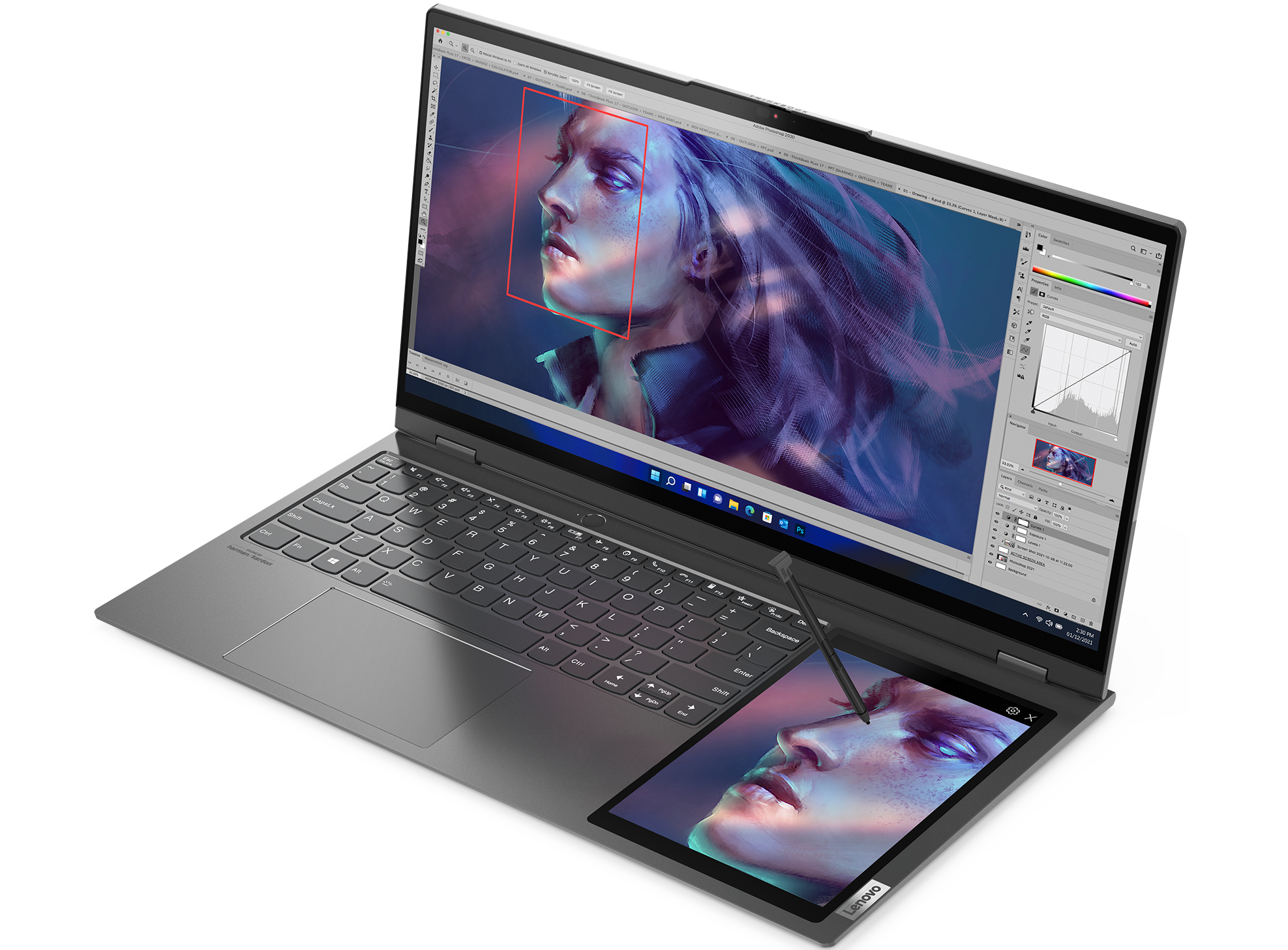
Lenovo announces an ultrawide laptop with an extra screen

Promotional image of new notebook computer.

Enlarge / Lenovo ThinkBook Plus Gen 3. (credit: Lenovo)

While the majority of laptops still use the 16:9 aspect ratio, we’ve seen many companies increasingly embrace taller aspect ratios over the last couple years. Lenovo, while also playing around with the likes of 16:10 laptop screens in other upcoming machines, is taking a wider approach. At CES this week, it announced a laptop with an ultrawide display. Oh, and it has a second screen next to the keyboard, too.

Lenovo says the ThinkBook Plus Gen 3 is the first machine to use a 17.3-inch 21:10 screen. We’ve seen ultrawide laptops before, but laptops with a screen that’s wider than 16:9 are incredibly rare today.

Toshiba tried to make it a thing in 2012. The company’s 21:9 Toshiba U845W laptop promised a superior experience for watching movies (at least ones made in the same aspect ratio) and multitasking. More recently, Acer’s 2017 Predator 21 X used the 21:9 aspect ratio and a unique curve to claim supreme gaming immersion (again, with supported titles).

Read 7 remaining paragraphs | Comments

How to Create a Pie Chart Using Only CSS

Pie charts are common components that let you show portions of a whole, and you can use them for many different purposes. You will find a lot of articles around building such a component, but they typically either rely on SVG or a lot of HTML elements. In this post,
Find the soul