
Moonfall trailer is gloriously ridiculous

Halle Berry and Patrick Wilson co-star in director Roland Emmerich’s latest film, Moonfall.

Hello, police? I’d like to report a murder—the sacrifice of credible science on the altar of entertainment, as evidenced in the latest trailer for Moonfall. It’s the latest epic disaster blockbuster from director Roland Emmerich, in which the Earth’s existence is threatened by the Moon getting knocked out of its orbit and into a collision course toward Earth.

Look, I love me some Roland Emmerich. Independence Day (1996) is top-notch entertainment, and while his Godzilla (1998) was widely panned by critics, it featured a world-weary Jean Reno as a French scientist constantly bemoaning the lack of decent coffee in America, which was worth the price of admission alone. But in recent years, the director has pivoted to what can only be called climate-change inspired “disaster p*rn,” with over-the-top films like 2009’s 2012 and The Day After Tomorrow (2004).

Both films made big bucks at the box office, despite mixed critical reviews and dings for their sloppy use of science. In fact, The Day After Tomorrow frequently winds up on people’s lists of most scientifically inaccurate films. That’s not a deal-breaker so long as the film is entertaining. As screenwriter Jeffrey Nachmanoff pointed out at the film’s Berlin premiere, “This is a disaster movie and not a scientific documentary, [and] the film makers have taken a lot of artistic license.” Thus far, Emmerich has shown a talent for pushing an audience’s willing suspension of disbelief to the limit without crossing the line into utter ridiculousness (or at least, audiences will be having so much fun, they’ll cheer on the ridiculous aspects with glee).

Read 6 remaining paragraphs | Comments

Asus takes a page from Lenovo with new foldable PC

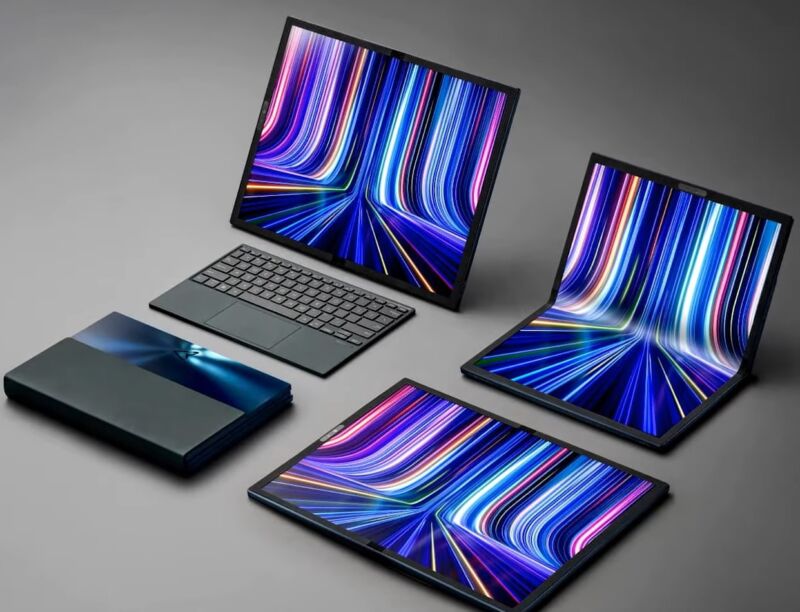
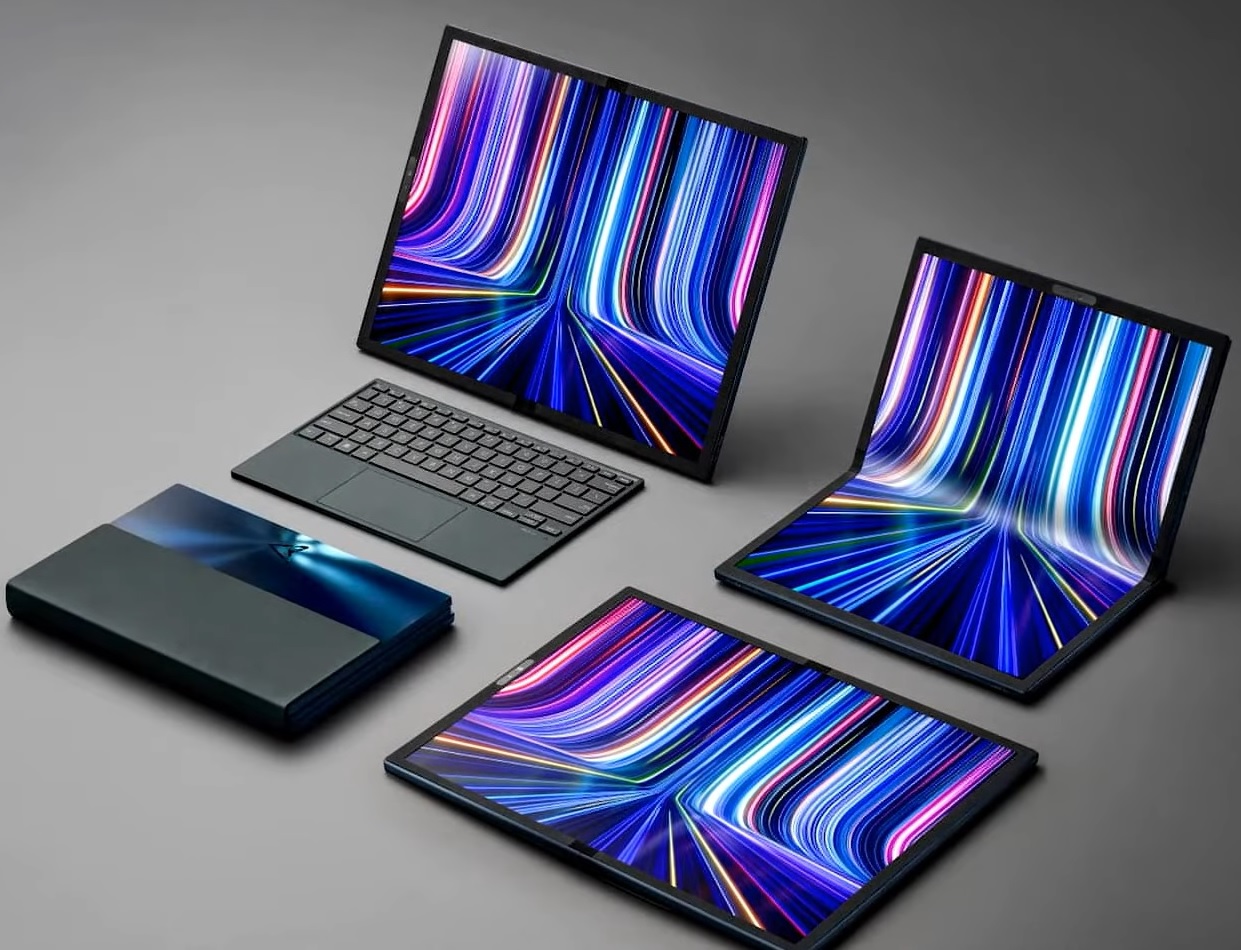
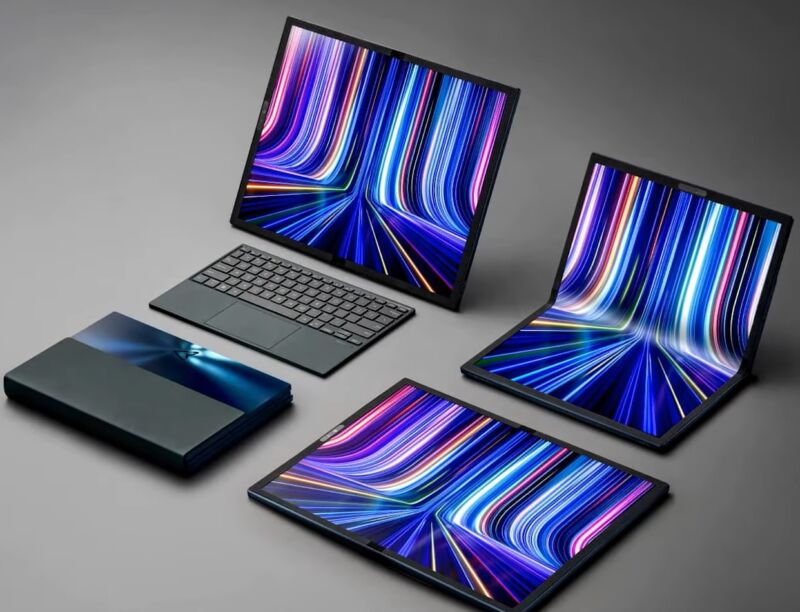
Asus Zenbook 17 Fold OLED in four different setups

Enlarge / The Asus Zenbook 17 Fold OLED can take many forms. (credit: Asus/YouTube)

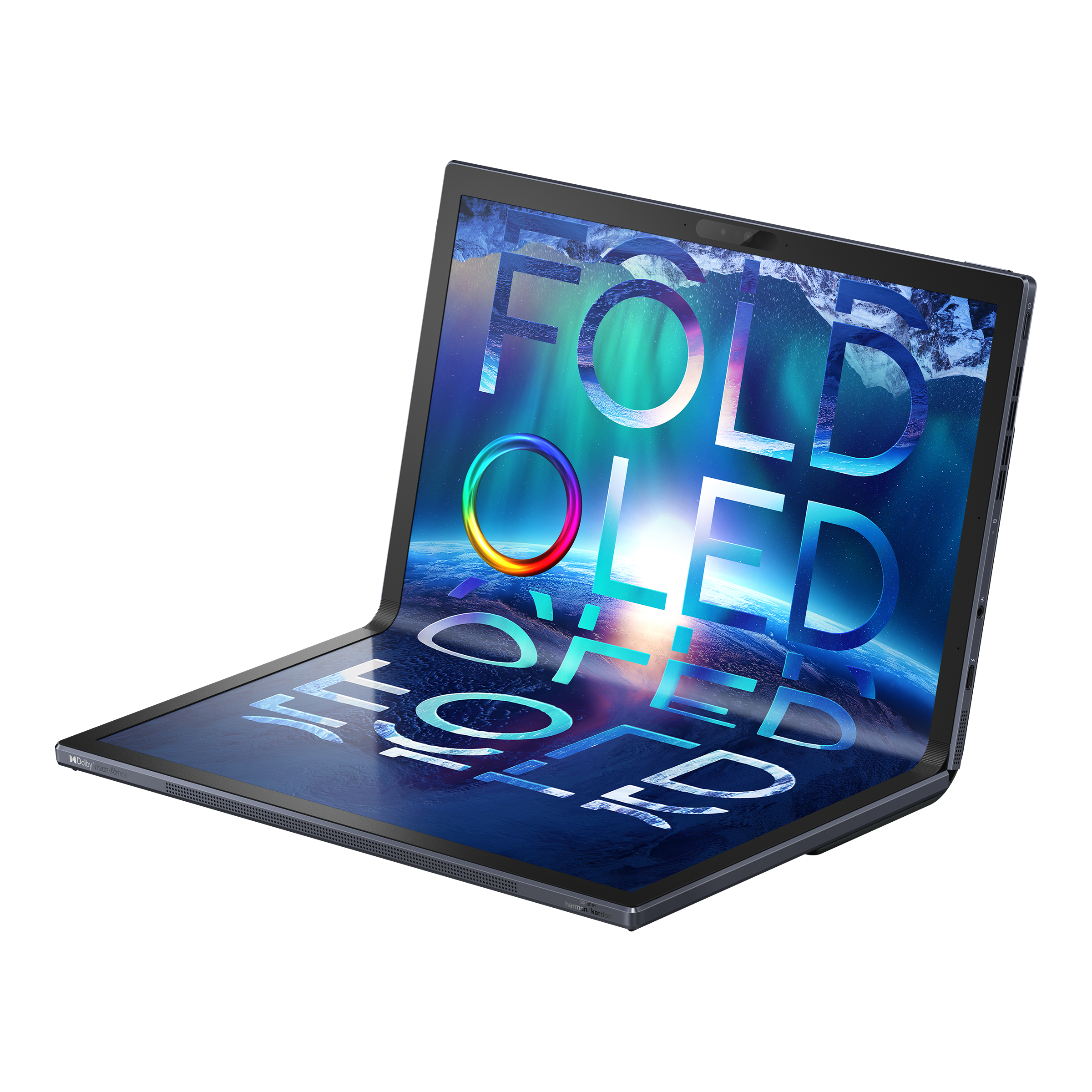
When Intel unveiled its 12th-gen mobile CPUs on Tuesday, the company pointed to the chips’ suitability for use in foldable PC designs by showing unidentified concept images. It didn’t take long to figure out what Intel was talking about. On Wednesday, Asus announced a foldable PC—think of it as a 17.3-inch OLED tablet that can fold in half.

In addition to a 12th-gen i7 CPU, the Asus Zenbook 17 Fold OLED comes with 16GB of RAM and a 1TB PCIe 4.0 SSD. The components live in a device measuring 14.9 x 11.32 x 0.34–0.46 inches when open and housing an OLED touchscreen with a 2560 x 1920 resolution and a 0.2 ms GTG response time.

The display has a 4:3 aspect ratio, making it tall when fully open. If you fold it down the middle, the screen will act as two 12.5-inch displays with 1920 x 1290 resolutions and 3:2 aspect ratios. When you’re done, you can fold the device shut so that it’s “smaller than a sheet of photocopier paper,” measuring 11.69 x 8.27 inches, according to Asus’ announcement. And if you’re worried about how many times you can fold the device, Asus claims the hinge lasts for at least 30,000 cycles.

Read 14 remaining paragraphs | Comments

GM readies Qualcomm-powered Ultra Cruise driver assistance for 2023 launch

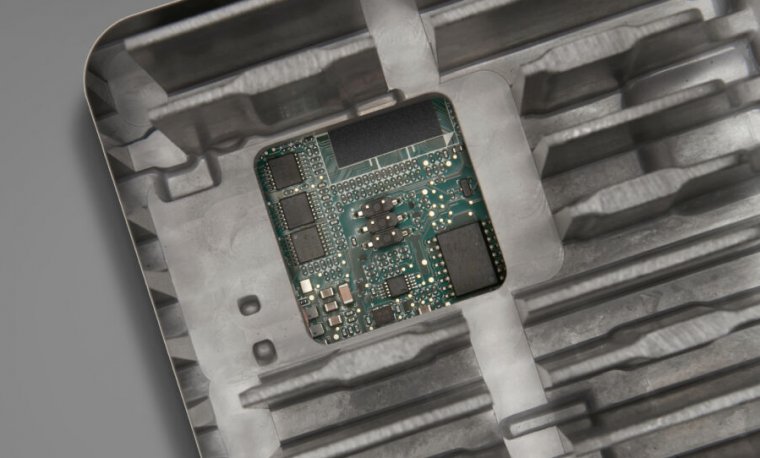
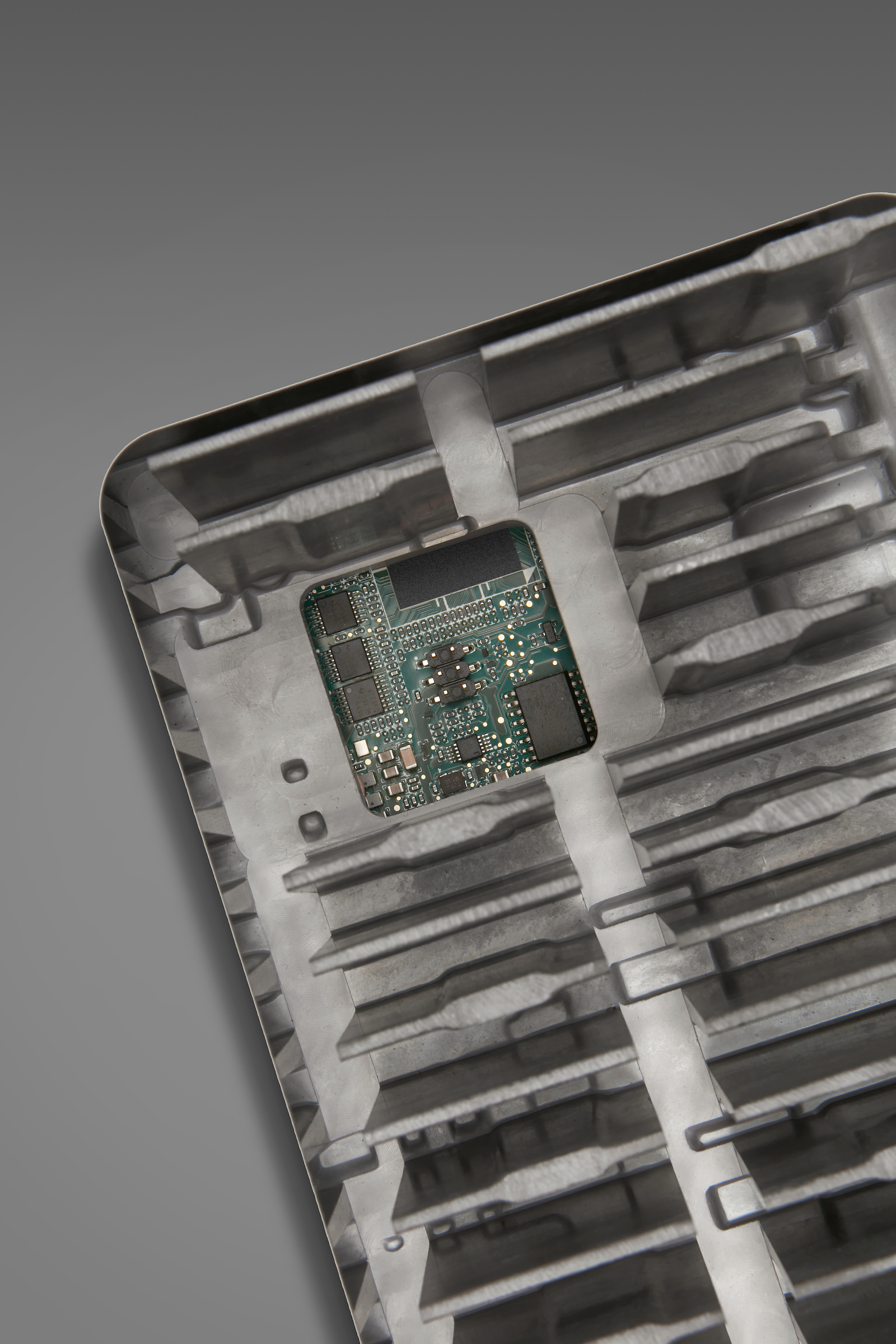
A closer look at the hardware inside the Ultra Cruise computer.

Enlarge / A closer look at the hardware inside the Ultra Cruise computer. (credit: General Motors)

General Motors has partnered with Qualcomm to provide the computing power for its next-generation hands-free driver-assistance system. First announced in October 2021, the new system is called Ultra Cruise, and it one-ups the (already very competent) GM Super Cruise in terms of performance and operational design domain.

Whereas Super Cruise is limited to restricted access, divided-lane highways, Ultra Cruise will at first operate on more than 2 million miles of roads in the US and Canada. An Ultra Cruise-equipped car will sense its environment using a mix of lidar, optical cameras, and radar to generate a sensor-fused 360-degree view of the world around it. It will recognize and react to permanent traffic control devices like stop signs and traffic lights, and it will even handle left-turns, albeit with a little driver input.

Like Super Cruise, Ultra Cruise is a driver-assistance system (it falls under the SAE’s level 2), and the human driver is still responsible for providing situational awareness (with a driver-monitoring system making sure that’s happening).

Read 5 remaining paragraphs | Comments

France orders Google and Facebook to offer one-click cookie rejection

A computer cursor hovering over an

Enlarge (credit: Getty Images | Sean Gladwell)

French regulators today ordered Google and Facebook to make rejecting cookies as simple as accepting them and fined the companies a total of €210 million for failing to comply with France’s Data Protection Act.

The CNIL (Commission Nationale de l’Informatique et des Libertés) said that “facebook.com, google.fr and youtube.com offer a button allowing the user to immediately accept cookies” but “do not provide an equivalent solution (button or other) enabling the Internet user to easily refuse the deposit of these cookies. Several clicks are required to refuse all cookies, against a single one to accept them.”

The process making it harder to reject cookies than to accept them “affects the freedom of consent of Internet users and constitutes an infringement of Article 82 of the French Data Protection Act,” the CNIL said. The agency announced fines of €150 million for Google and €60 million for Facebook and said it “ordered the companies to provide Internet users located in France with a means of refusing cookies as simple as the existing means of accepting them, in order to guarantee their freedom of consent, within three months. If they fail to do so, the companies will have to pay a penalty of 100,000 euros per day of delay.”

Read 5 remaining paragraphs | Comments

Konami looks to cash in on NFT mania with digital collectible collection

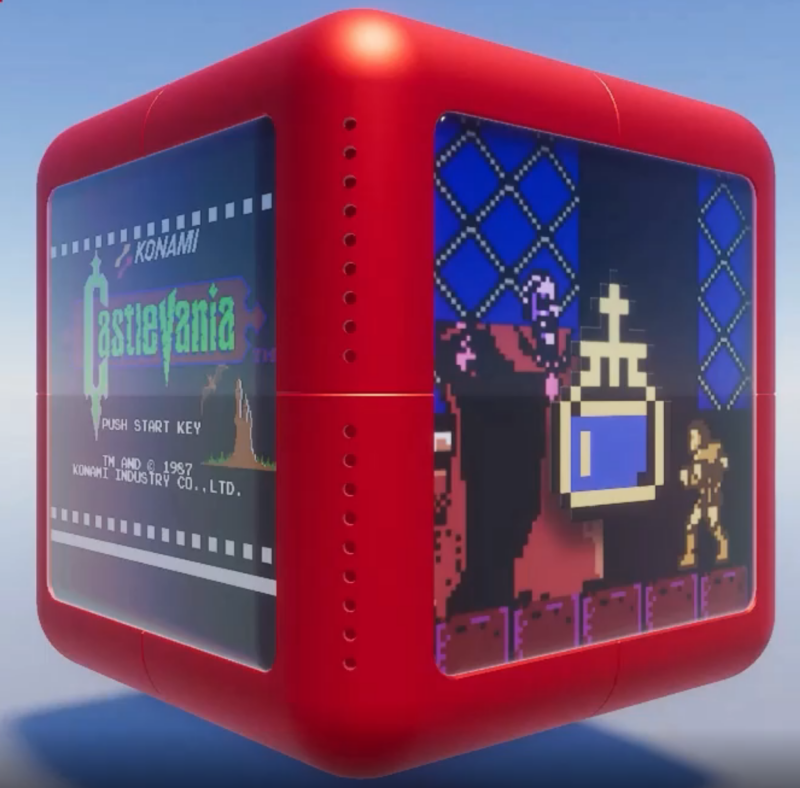
No, see, <em>this</em> copy of the image isn't worth anything, because it's not on signed on the blockchain...

Enlarge / No, see, this copy of the image isn’t worth anything, because it’s not on signed on the blockchain…

Konami became the latest gaming company to jump on the non-fungible token bandwagon Thursday with the announcement of the Konami Memorial NFT Collection. But rather than focusing on in-game cosmetics or supply-constrained virtual land as some other publishers have, Konami is simply offering a small set of NFT-backed artwork and music drawn from the Castlevania series in honor of its 35th anniversary.

Konami’s collection includes 14 individual NFTs representing five songs from the NES Castlevania games, six short videos showing off special item use in the first Castlevania, two pieces of hand-drawn promotional art from Circle of the Moon, and a unique piece of “Dracula’s Castle” pixel art inspired by the games. Each item in the collection is a “one of one” cryptographic signature that will be posted on the Ethereum blockchain after an OpenSea auction set to start on January 12. Those auctions have an effective reserve price of one “wrapped Ethereum,” or about $3,350 at today’s market value.

The NFTs will represent the associated digital collectible, whose “minting” is linked to Konami’s verified account to help establish provenance. Konami also promises that an “NFT with the exact same data will not be resold, but similar NFTs tied to the same game title may be resold in the future,” making them “unique” on the blockchain (even if the underlying images and sounds are endlessly copiable).

Read 6 remaining paragraphs | Comments
Two research teams independently used vacuums to measure biodiversity

Two research teams independently used vacuums to measure biodiversity

Enlarge (credit: Surapong Thammabuht / EyeEm)

Just as the pandemic hit, Christina Islas Lynggaard—a postdoc researcher at the University of Copenhagen’s Globe Institute—sat in her apartment surrounded by vacuums and filters. She tested them, eventually landing on a water vacuum, which was, for her purposes, pretty good. The rest didn’t quite make the cut—they had good suction, but the second you put a filter in them, it messed with their power supplies. “It just dies, and then the motor comes to overheat, and it was very difficult,” Lynggaard said.

All this testing was done for an interesting case, one that seems obvious in hindsight but could have valuable ecological applications. In short, Lynggaard and other researchers on her team were looking for a way to collect environmental DNA (eDNA) from the air to measure biodiversity or look for the presence of rare or invasive species.

Out of thin air

“We had no idea the best way to collect DNA from air,” Kristine Bohmann told Ars. Bohmann is an associate professor at the Globe Institute and one of the researchers involved in the effort.

Read 15 remaining paragraphs | Comments

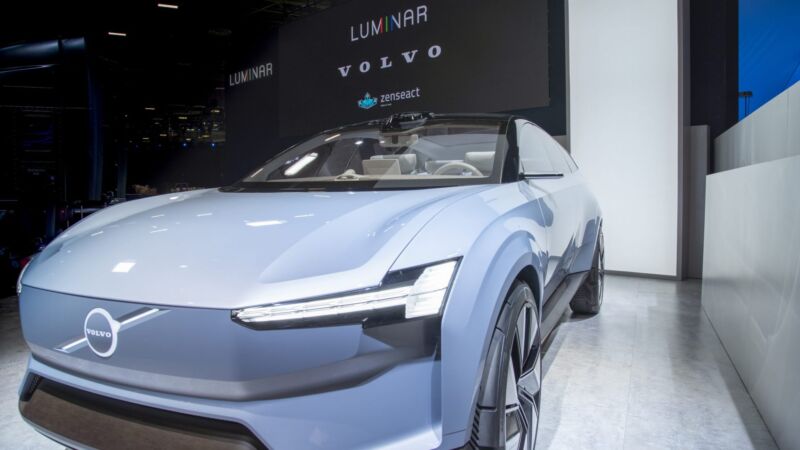
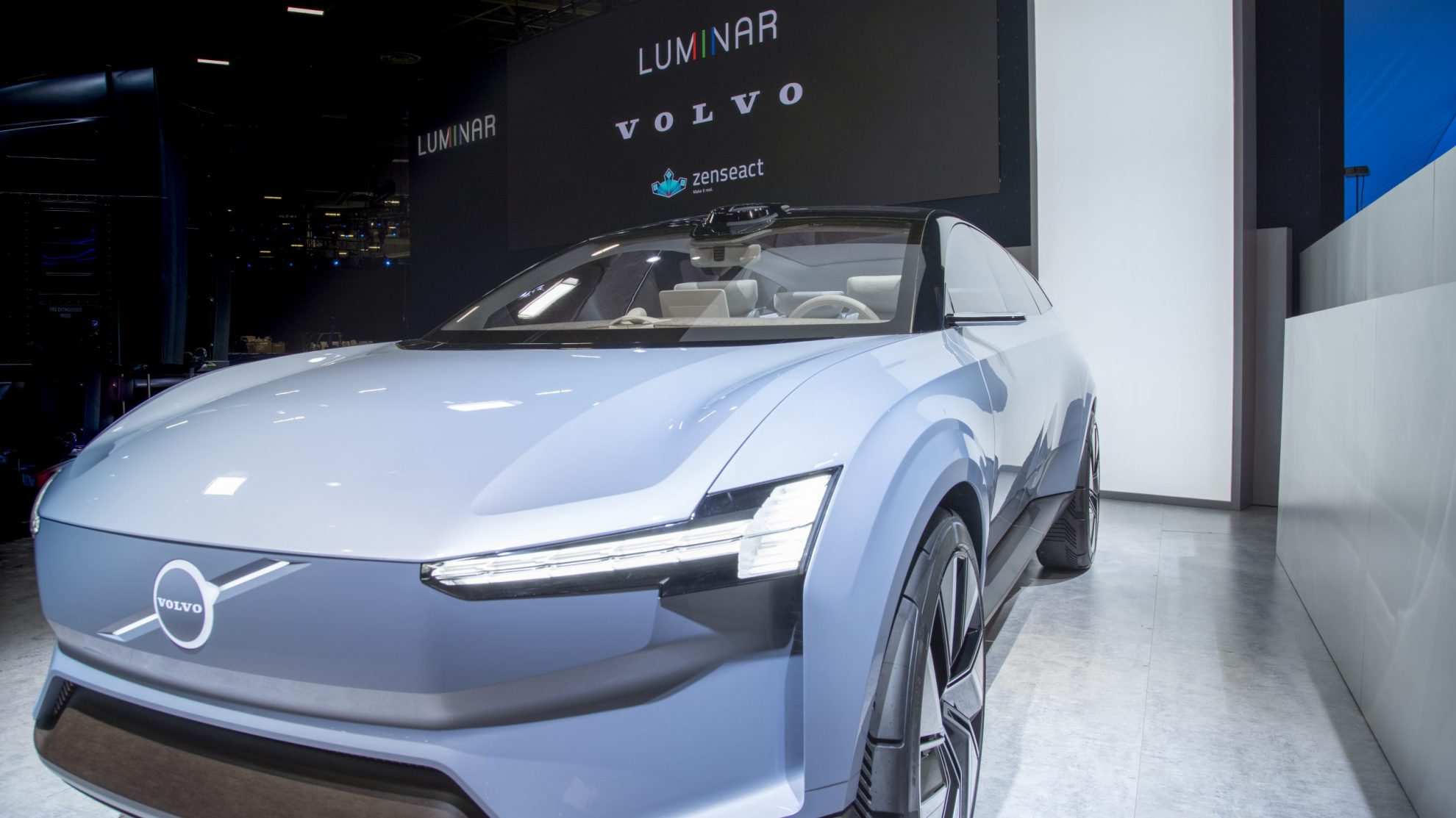
Volvo’s 2023 electric SUV will use lidar to drive itself

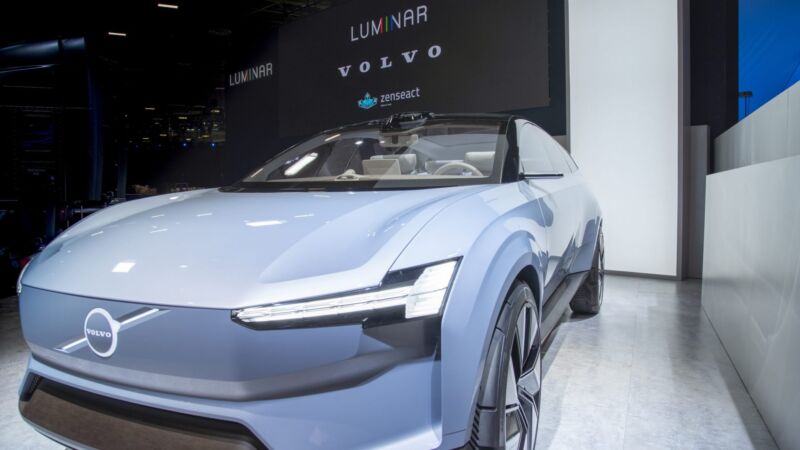
Volvo Concept Recharge lidar

Enlarge / Volvo’s future SUV will probably resemble something like the Concept Recharge first introduced in June 2021. (credit: Luminar)

Level 3 autonomous driving appears poised to debut in the US as soon as next year.

At the 2022 Consumer Electronics Show yesterday, Volvo announced that it intends to offer its Ride Pilot feature to customers in California, pending regulatory approval. The automaker has been testing the system in Sweden, and it will begin testing in California later this year. It plans to ship the feature with its forthcoming all-electric SUV, due in 2023.

Volvo chose California because “the climate, traffic conditions, and regulatory framework provide a favorable environment for the introduction of autonomous driving,” the company said.

Read 9 remaining paragraphs | Comments

Find the soul