
Why covering anti-evolution laws has me worried about the future of vaccines

Why covering anti-evolution laws has me worried about the future of vaccines

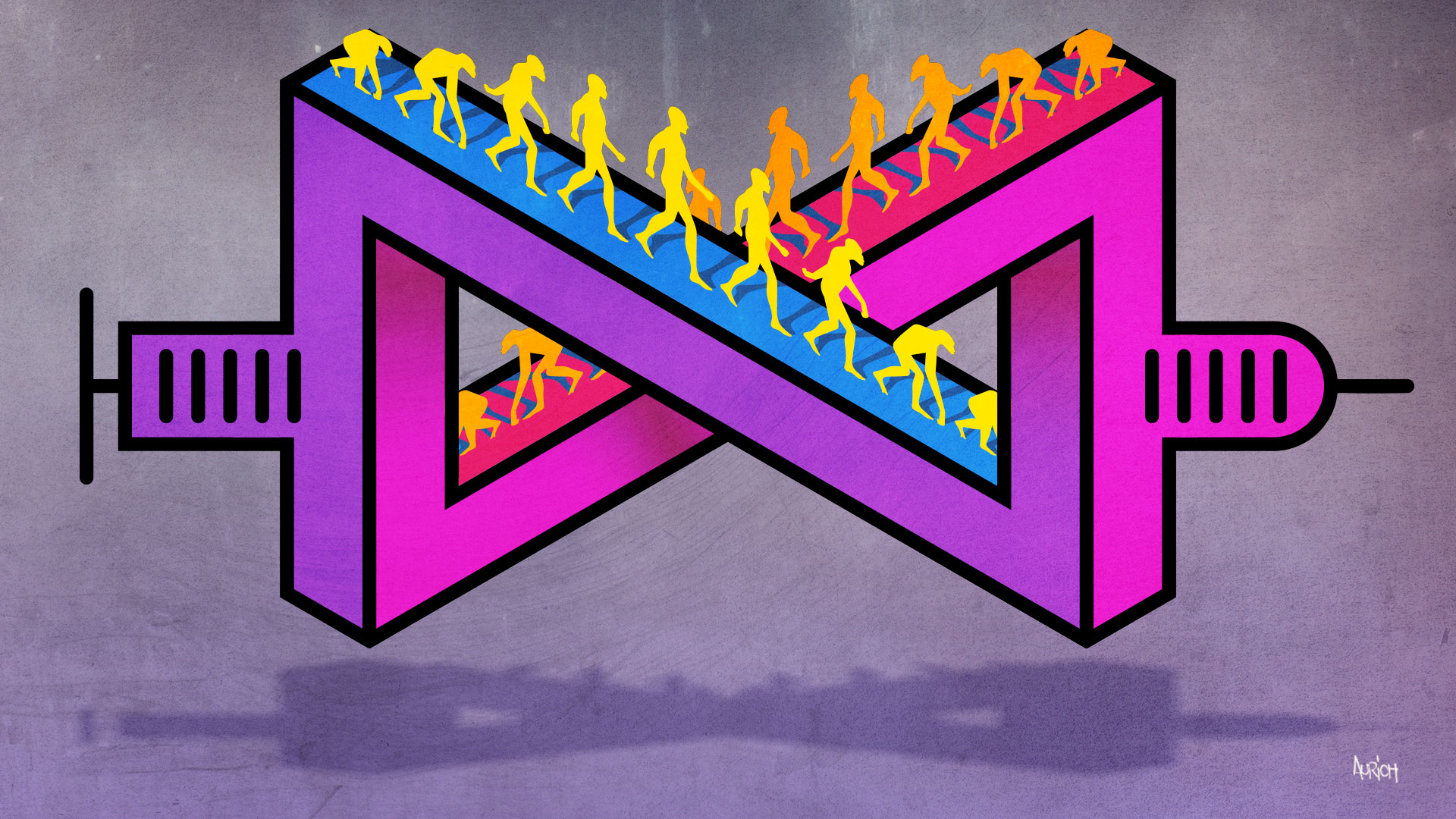
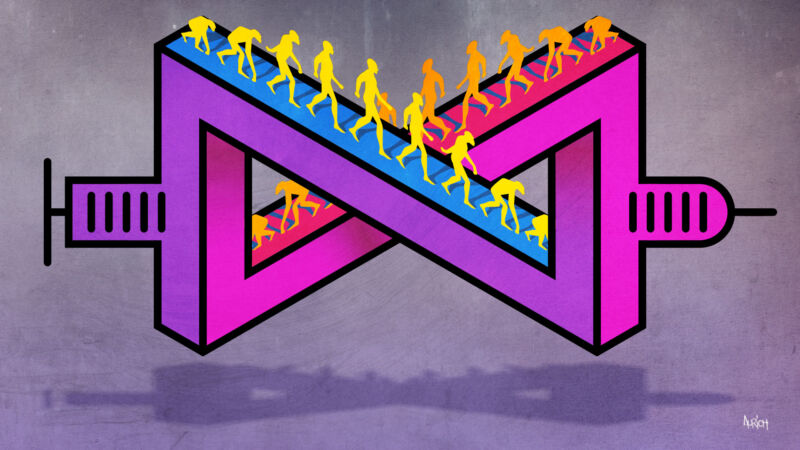
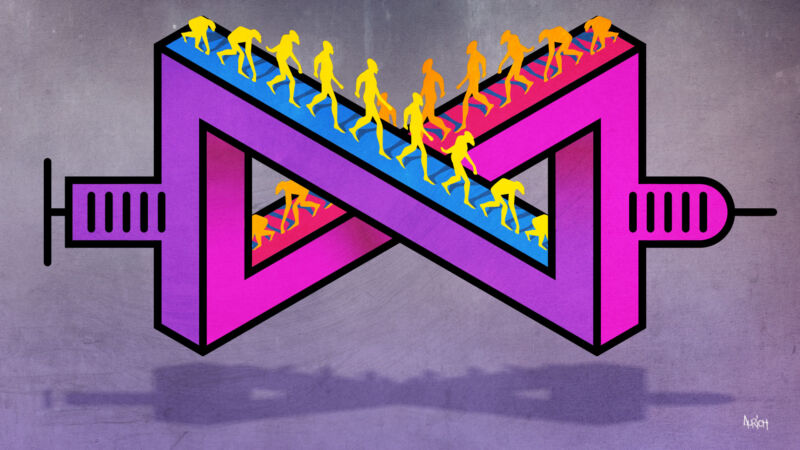
Enlarge (credit: Aurich Lawson)

Prior to the pandemic, the opposition to vaccines was apolitical. The true believers were a small population and confined to the fringes of both major parties, with no significant representation in the political mainstream. But over the past year, political opposition to vaccine mandates has solidified, with a steady stream of bills introduced attempting to block various ways of encouraging or requiring COVID vaccinations.

This naturally led vaccine proponents to ask why these same lawmakers weren’t up in arms in the many decades that schools, the military, and other organizations required vaccines against things like the measles and polio. After all, pointing out logical inconsistencies like that makes for a powerful argument, right?

Be careful what you wish for. Vaccine mandate opponents have started trying to eliminate their logical inconsistency. Unfortunately, they’re doing it by trying to get rid of all mandates.

Read 22 remaining paragraphs | Comments
Learn to Code in Japanese – The Japanese freeCodeCamp Curriculum is Now Live

The Japanese freeCodeCamp curriculum [https://www.freecodecamp.org/japanese/learn] is now live. In Japan, I have seen many comments, tweets, and blog posts saying “freeCodeCamp looks awesome, but unfortunately, I can’t use it because I can’t read English.” Currently, most information and learning resources related to programming are in English. But we want freeCodeCamp

Our Sun’s nearest neighbor has another planet

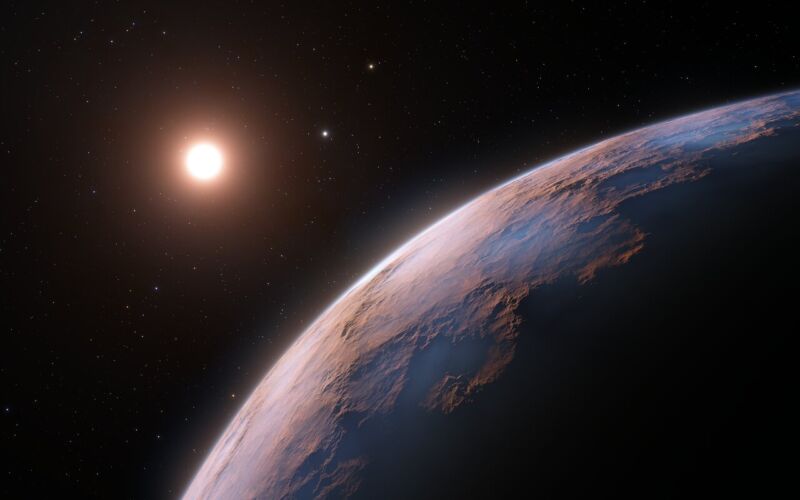
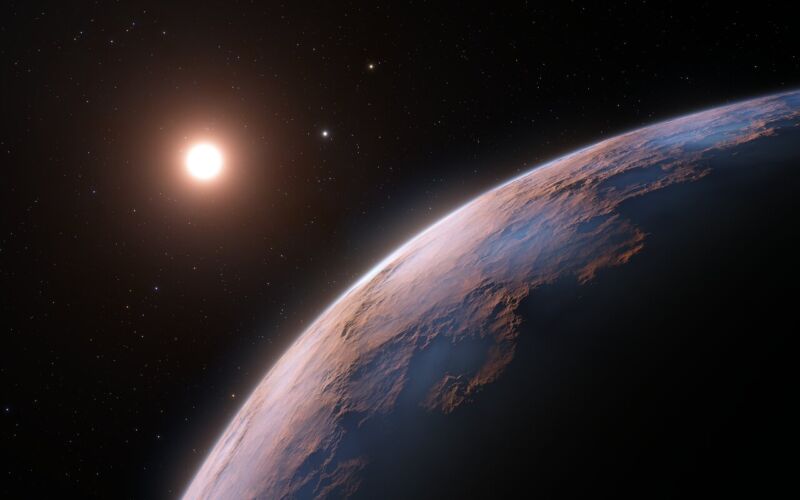
Image of a planet's curve, with a dim star in the background.

Enlarge / This artist’s impression shows a close-up view of Proxima d, a planet candidate recently found orbiting the red dwarf star Proxima Centauri, the closest star to the Solar System. (credit: ESO/L. Calçada)

We’ve now cataloged thousands of planets that orbit distant stars. For most of them, our knowledge is limited to basic statistics: their size, mass, and orbital distance from their host star. And, due to the difficult-to-comprehend distances within our galaxy, it’s likely that this will remain the sum of our knowledge about them for generations.

For the small number of planets closer to Earth, however, there’s the chance to learn much more. Plans are already underway to study the atmospheres of planets within about 30 light years of Earth over the next few decades, and improvements in existing technologies have the potential to reveal even more. So the discovery of an Earth-sized planet orbiting Proxima Centauri, the closest star to the Sun, was exciting news. We now have the potential to learn much more about this rare planet.

And now, scientists have confirmed that this planet isn’t alone; at least one more planet orbits Proxima Centauri. And it turns out to be an unusually light one, with only about double the mass of Mars.

Read 13 remaining paragraphs | Comments

Tesla factory is “racially segregated workplace,” Calif. state agency alleges

Aerial view of a Tesla factory with a large parking lot filled with cars.

Enlarge / Tesla’s factory in Fremont, California. (credit: Tesla)

The California Department of Fair Employment and Housing (DFEH) sued Tesla on Wednesday, alleging systemic racial segregation in the workplace.

“After receiving hundreds of complaints from workers, DFEH found evidence that Tesla’s Fremont factory is a racially segregated workplace where Black workers are subjected to racial slurs and discriminated against in job assignments, discipline, pay, and promotion creating a hostile work environment,” DFEH Director Kevin Kish said in a statement published in a Wall Street Journal article and a Bloomberg story.

The lawsuit was filed in Alameda County Superior Court but doesn’t appear to be publicly available yet. We asked DFEH for a copy of the lawsuit and will update this story if we get it.

Read 5 remaining paragraphs | Comments
Amateur sleuths help solve 160-year mystery by decoding Charles Dickens letter

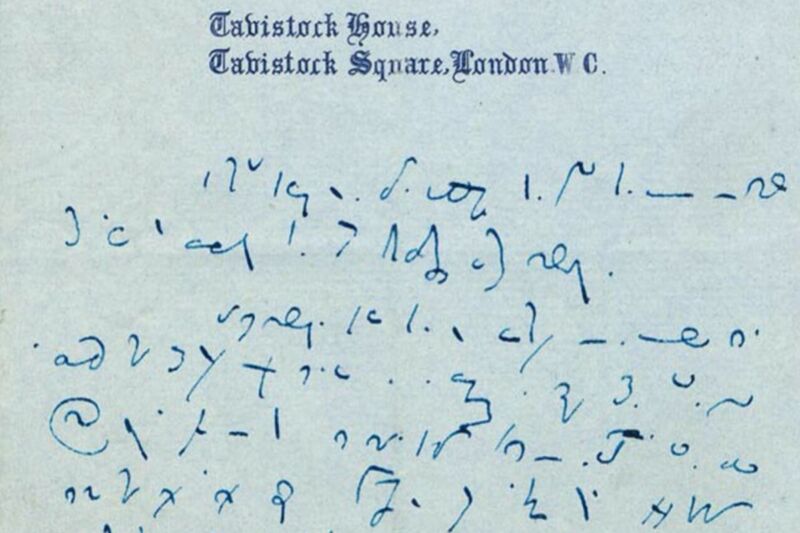
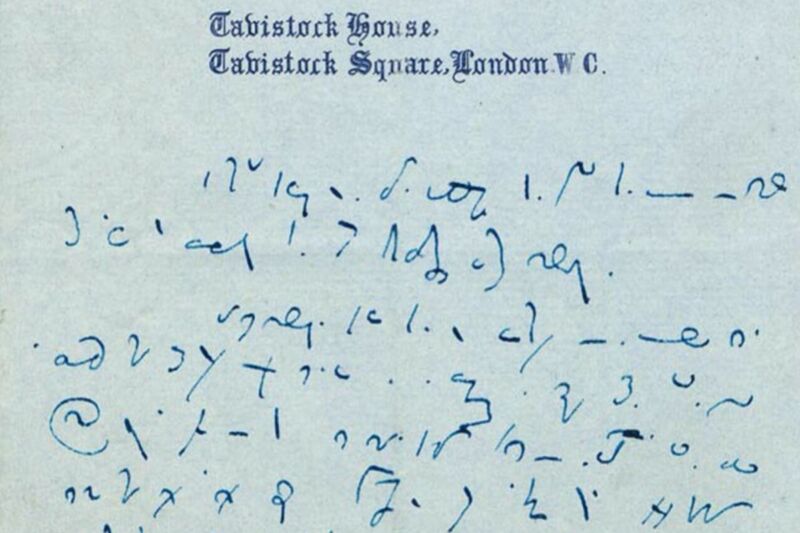
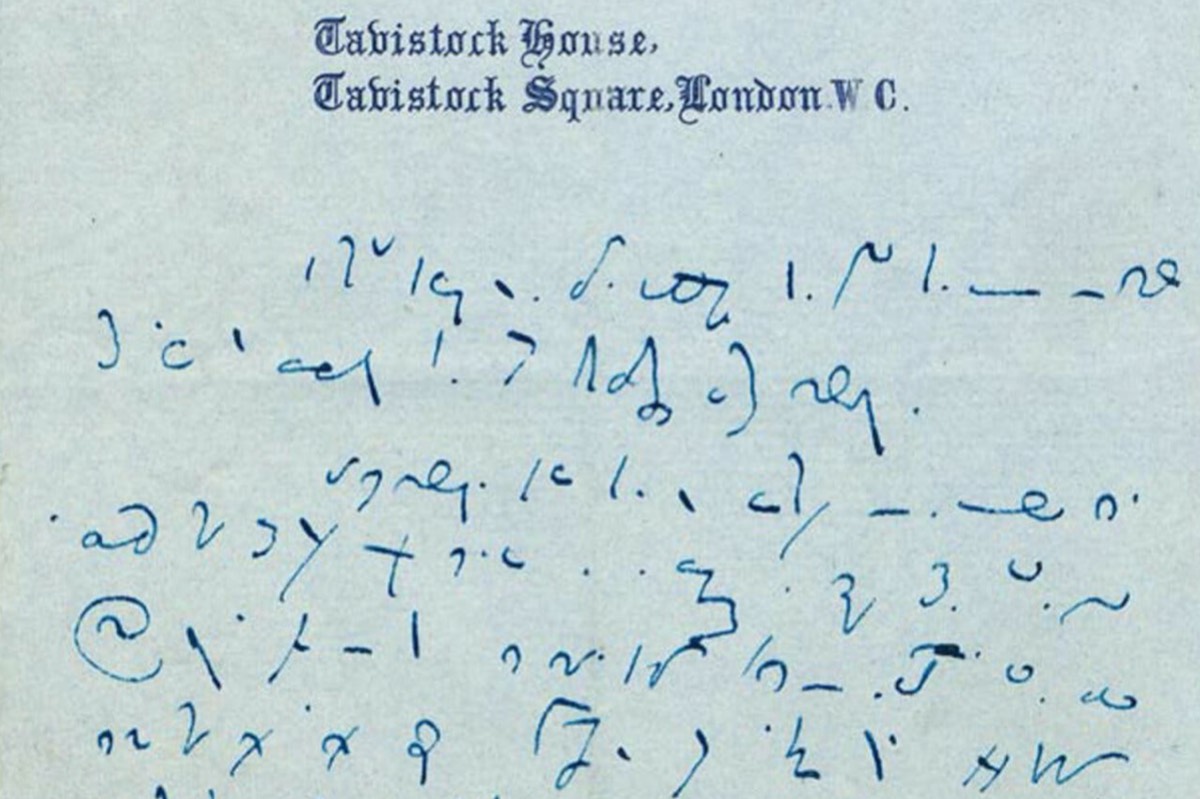
Section of the so-called "Tavistock letter," written by Charles Dickens in his idiosyncratic shorthand. The crowd-sourced transcription, now 70 percent complete, reveals a dispute between Dickens and The Times of London.

Enlarge / Section of the so-called “Tavistock letter,” written by Charles Dickens in his idiosyncratic shorthand. The crowd-sourced transcription, now 70 percent complete, reveals a dispute between Dickens and The Times of London. (credit: Public domain)

Last October, a collaboration called The Dickens Code project made a public appeal to amateur puzzle fans and codebreakers for assistance in decoding a letter written by Victorian novelist Charles Dickens in a tortuously idiosyncratic style of shorthand. The crowd-sourced effort helped scholars piece together about three-quarters of the transcript. Shane Baggs, a computer technical support specialist from San Jose, California, won the overall contest, while a college student at the University of Virginia named Ken Cox was declared the runner-up.

Dickens himself hardly needs an introduction, deemed by many to be the greatest novelist of the Victorian era. Great Expectations, Oliver Twist, A Tale of Two Cities, and of course, his timeless 1843 novella A Christmas Carol, are just a few of the works contributing to that well-deserved reputation. A lesser-known aspect of Dickens’ life is that he taught himself a particularly difficult form of shorthand as a teenager, relying on an 18th-century manual called Brachygraphy by shorthand writer Thomas Gurney. Dickens mentions this in passing in his semi-autobiographical novel David Copperfield:

I bought an approved scheme of the noble art and mystery of stenography (which cost me ten and sixpence); and plunged into a sea of perplexity that brought me, in a few weeks, to the confines of distraction. The changes that were rung upon dots, which in such a position meant such a thing, and in such another position something else, entirely different; the wonderful vagaries that were played by circles; the unaccountable consequences that resulted from marks like flies’ legs; the tremendous effects of a curve in a wrong place; not only troubled my waking hours, but reappeared before me in my sleep.

It took Dickens about a year to master Gurney’s Brachygraphy, and he spent three years using the shorthand as a court reporter. He also began adding his own unique symbols to write personal memos to himself, maintain teaching notebooks, write letters, and so forth. Alas, very few examples survive. There are only about 10 currently known manuscripts of Dickens’ shorthand, dating from the 1830s to the late 1860s. Several of these remain undeciphered, including a letter from the 1850s and a set of shorthand booklets collected by Dickens’ shorthand pupil, Arthur Stone (the son of his friend and neighbor).

Read 14 remaining paragraphs | Comments
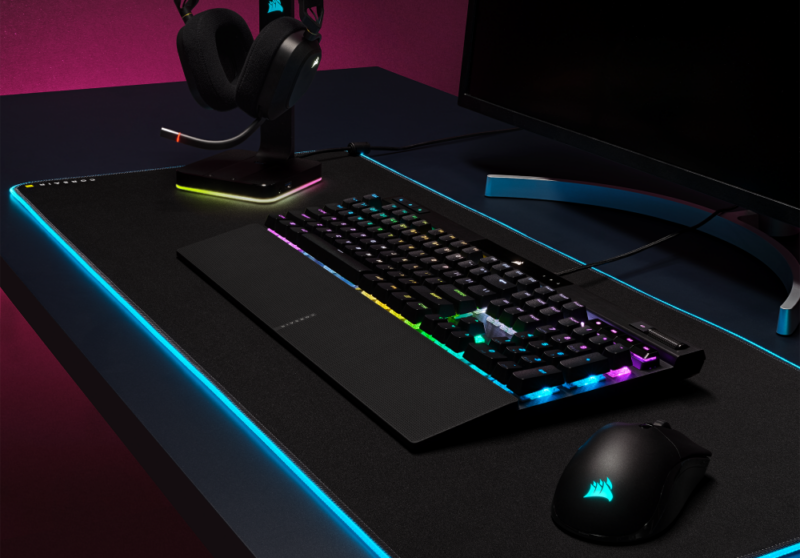
8,000 Hz mechanical keyboards continue offering more than low input lag

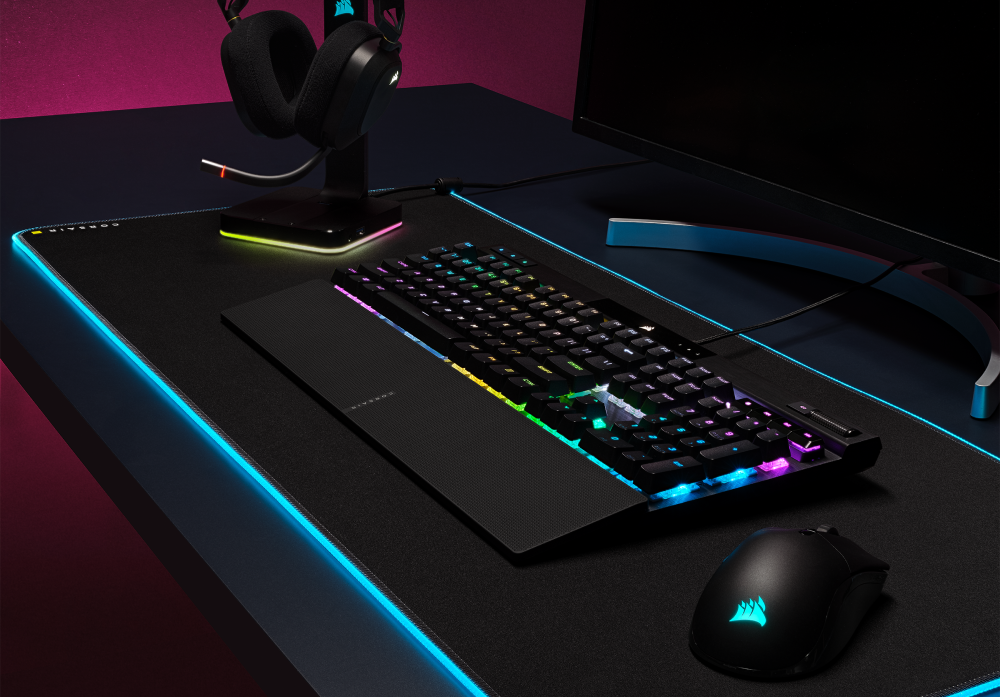
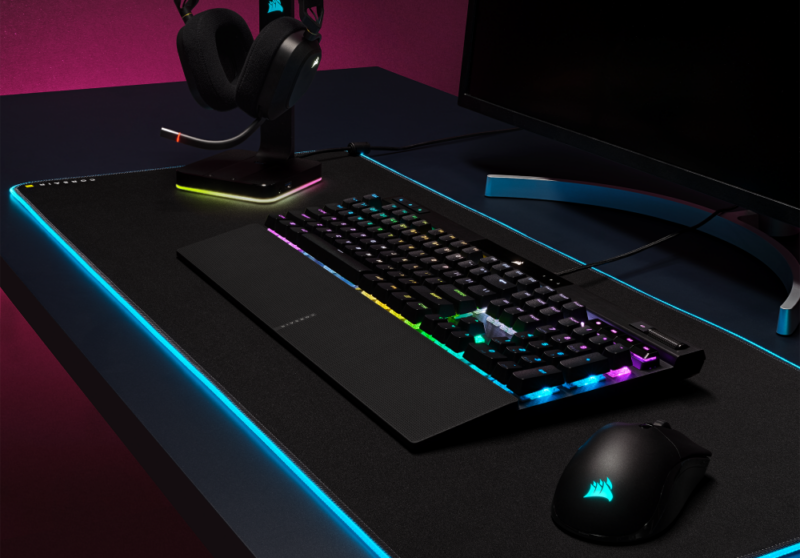
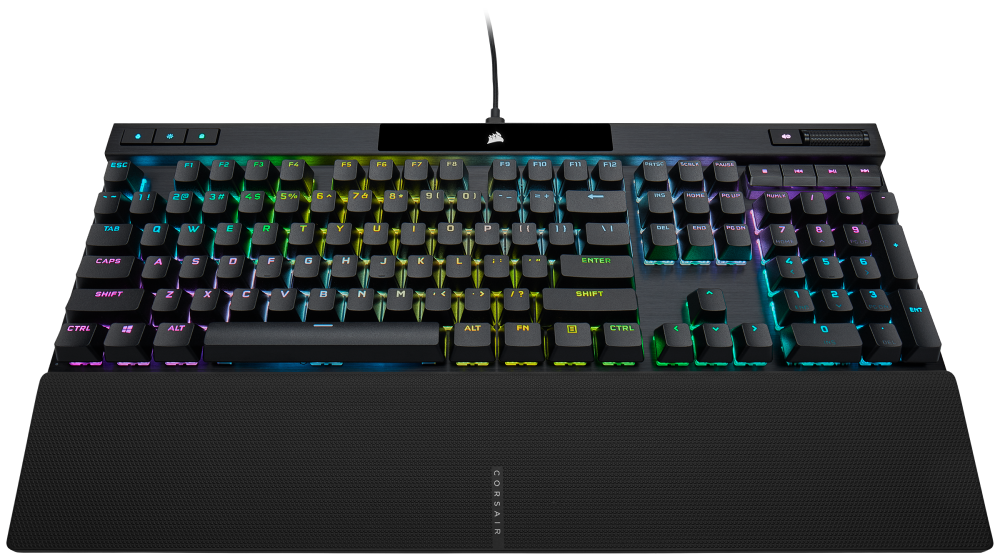
Corsair K70 RGB Pro.

Enlarge / Corsair K70 RGB Pro. (credit: Corsair)

Razer introduced a widely available keyboard with an 8,000 Hz polling rate last year, so it hasn’t been surprising to see rivals follow suit. Corsair today released the K70 RGB Pro mechanical gaming keyboard, which also claims to report to the PC 8,000 times per second instead of the standard 1,000. But as with other 8,000 Hz keyboards we’ve seen, that stat may not be what actually sells you on the keyboard. In truth, most people won’t notice the difference between 8,000 Hz and the traditional 1,000 Hz.

Corsair’s announcement of the K70 RGB Pro doesn’t put a huge focus on the keyboard’s overboard polling rate. The press release points to the Axon technology that the company says is “up to 8x faster than standard gaming keyboards,” but there is no specific mention of 8,000 Hz or even the term “polling rate.”

Corsair also didn’t provide an input lag claim, but some 8,000 Hz keyboards point to an input lag of as low as 0.125 ms (1 second divided by 8,000 reports = .000125 second). The K70 RGB Pro’s product page does highlight the polling rate and 4,000 Hz key-scanning rate (elsewhere on Corsair’s website, the company claims its Axon processor can deliver input lag of as low as 0.25 ms).

Read 8 remaining paragraphs | Comments
Find the soul