


Doomscroll forever with ultra-tall 5:16 portable monitor

Thanko TL used with laptop

Enlarge (credit: Thanko)

In the world of displays, no one size or shape fits all. Over the past few years, we’ve seen more laptop screens play with aspect ratios that provide more vertical height than more traditional 16:9 screens. But when it comes to everlasting newsfeeds, endless social media feeds, and those captivatingly long articles, something like the 5:16 Thanko TL Portrait Display really stands tall.

Released today and spotted by Tom’s Hardware via Japanese site PC Watch, the monitor from Thanko, a gadget brand owned by Sanko, is a 0.7 lb (334 g) portable display. The 7.9-inch screen has 400×1280 resolution, for a high pixel density of 169.75 pixels per inch.
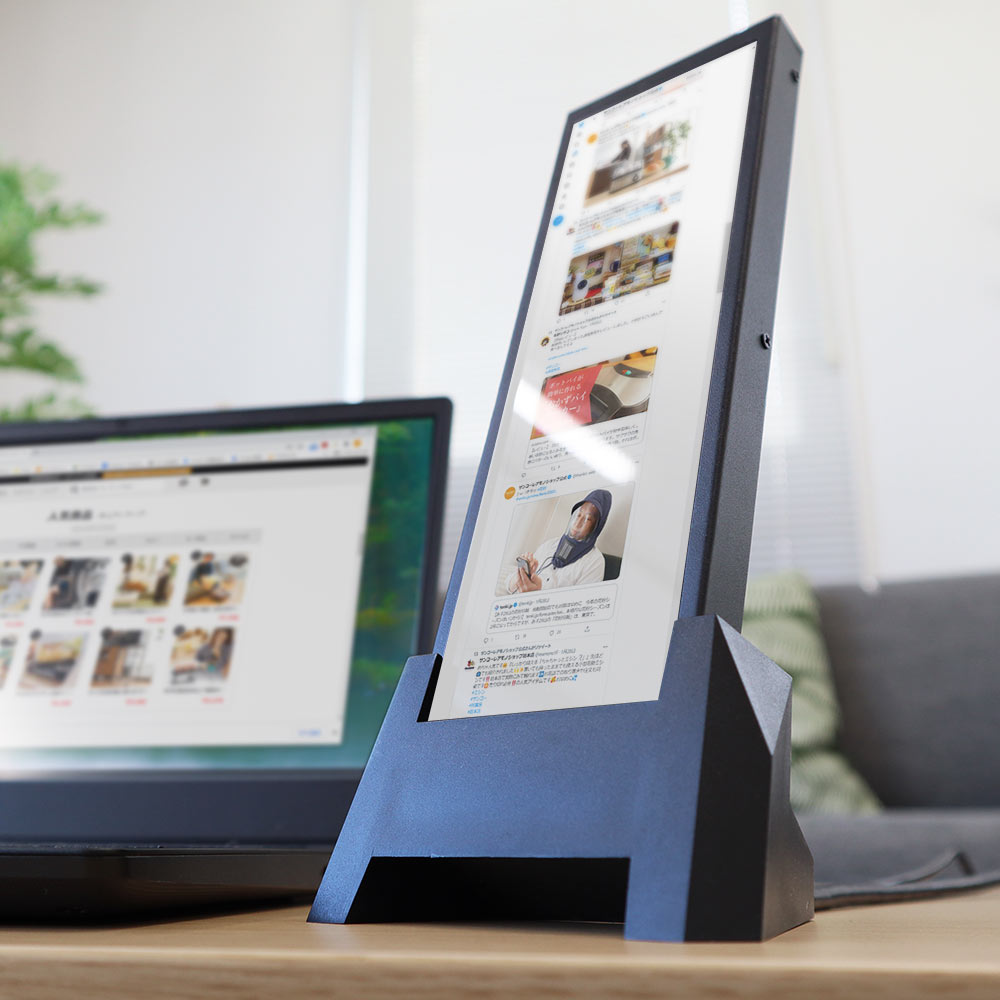
Still, it’s unclear what sort of image quality you can expect from this ultra-tall display. The product page doesn’t provide information on things like panel type, contrast ratio, or brightness.

Read 7 remaining paragraphs | Comments

Latest Twitter tweak to test what happens when users downvote replies

Latest Twitter tweak to test what happens when users downvote replies

Enlarge (credit: Aurich Lawson | Getty Images)

Twitter, long known for its slow and careful evolution of its core product, the tweet, is rolling out a worldwide test that would allow users to downvote replies, a feature that could significantly change how the service works. 

The concept of downvoting posts and comments has been a staple of the Internet for decades, appearing on sites such as Slashdot, Reddit, and Ars Technica. The concept is simple—users who find issue with a post can vote it down.

“We learned a lot about the types of replies you don’t find relevant and we’re expanding this test—more of you on web and soon iOS and Android will have the option to use reply downvoting,” Twitter said in a tweet.

Read 8 remaining paragraphs | Comments

Prosecutors want admitted Team Xecuter pirate jailed for five years

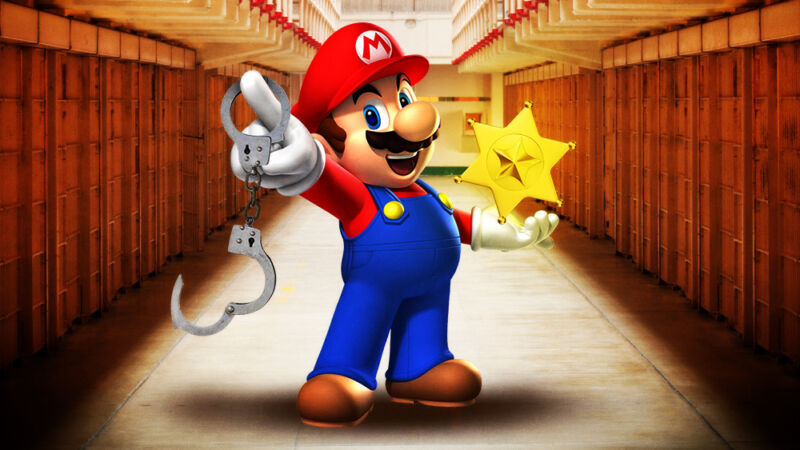
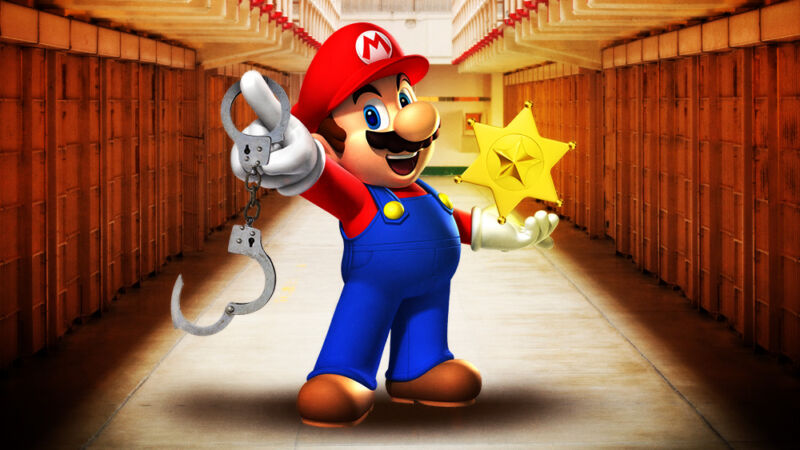
It's-a me, the long arm of the law.

Enlarge / It’s-a me, the long arm of the law. (credit: Aurich Lawson / Nintendo / Getty Images)

Federal prosecutors say a prominent member of the notorious Team Xecuter hacking group—known for the “SX OS” line of Switch hacking devices—should serve 60 months in prison after pleading guilty to piracy-related charges in November.

The significant sentence for Gary “GaryOPA” Bowser “would send a message that there are consequences for participating in a sustained effort to undermine the video game industry,” according to prosecutors. But Bowser’s defense is arguing for a shorter 19-month sentence that reflects the fact that he “was not the leader, was not in control of the [TeamXecuter] enterprise, and was not the manufacturer of the devices.”

Team Deterrence-ecuter

Bowser—a 52-year-old Canadian citizen who was arrested in the Dominican Republic and deported to the US in 2020—was the “public voice and principal salesperson” for Team Xecuter, according to federal prosecutors, promoting Switch hacking devices through sites such as maxconsole.com and illegal ROM downloads through sites like rom-bank.com. While Team Xecuter “attempted to hide its illegal activity under the homebrew enthusiast umbrella,” Bowser admitted in his November plea that the “predominant and primary design of the enterprise’s products was to allow purchasers to play pirated ROMs.”

Read 13 remaining paragraphs | Comments

How $323M in crypto was stolen from a blockchain bridge called Wormhole

How $323M in crypto was stolen from a blockchain bridge called Wormhole

Enlarge (credit: Aurich Lawson | Getty Images)

This is a story about how a simple software bug allowed the fourth-biggest cryptocurrency theft ever.

Hackers stole more than $323 million in cryptocurrency by exploiting a vulnerability in Wormhole, a Web-based service that allows inter-blockchain transactions. Wormhole lets people move digital coins tied to one blockchain over to a different blockchain; such blockchain bridges are particularly useful for decentralized finance (DeFi) services that operate on two or more chains, often with vastly different protocols, rules, and processes.

A guardian with no teeth

Bridges use wrapped tokens, which lock tokens in one blockchain into a smart contract. After a decentralized cross-chain oracle called a “guardian” certifies that the coins have been properly locked on one chain, the bridge mints or releases tokens of the same value on the other chain. Wormhole bridges the Solana blockchain with other blockchains, including those for Avalanche, Oasis, Binance Smart Chain, Ethereum, Polygon, and Terra.

Read 20 remaining paragraphs | Comments

Find the soul