
EV coach drives from California to Seattle and back using public chargers

The Van Hool CX45E that completed the 1,700-mile round trip.

Enlarge / The Van Hool CX45E that completed the 1,700-mile round trip. (credit: ABC Companies)

An electric coach just completed a 1,700-mile (2,743-km) trip from Newark, California, to Seattle and back. The journey was a demonstration of battery-electric transport and was organized by the coach operator MTRWestern and ABC Companies, the US importer for Van Hool coaches.

What makes this trip noteworthy—some might even say amazing—is that it relied on public fast chargers. The coach averaged 280 miles (450 km) between charging stops, with some stretches of over 300 miles (482 km).

The coach in question is a Van Hool CX45E and uses a Proterra battery pack similar to the one that powered a Proterra bus that completed a 1,101-mile (1,772-km) journey on a single charge in 2017. Van Hool picked Proterra as its battery supplier later that year.

Read 3 remaining paragraphs | Comments

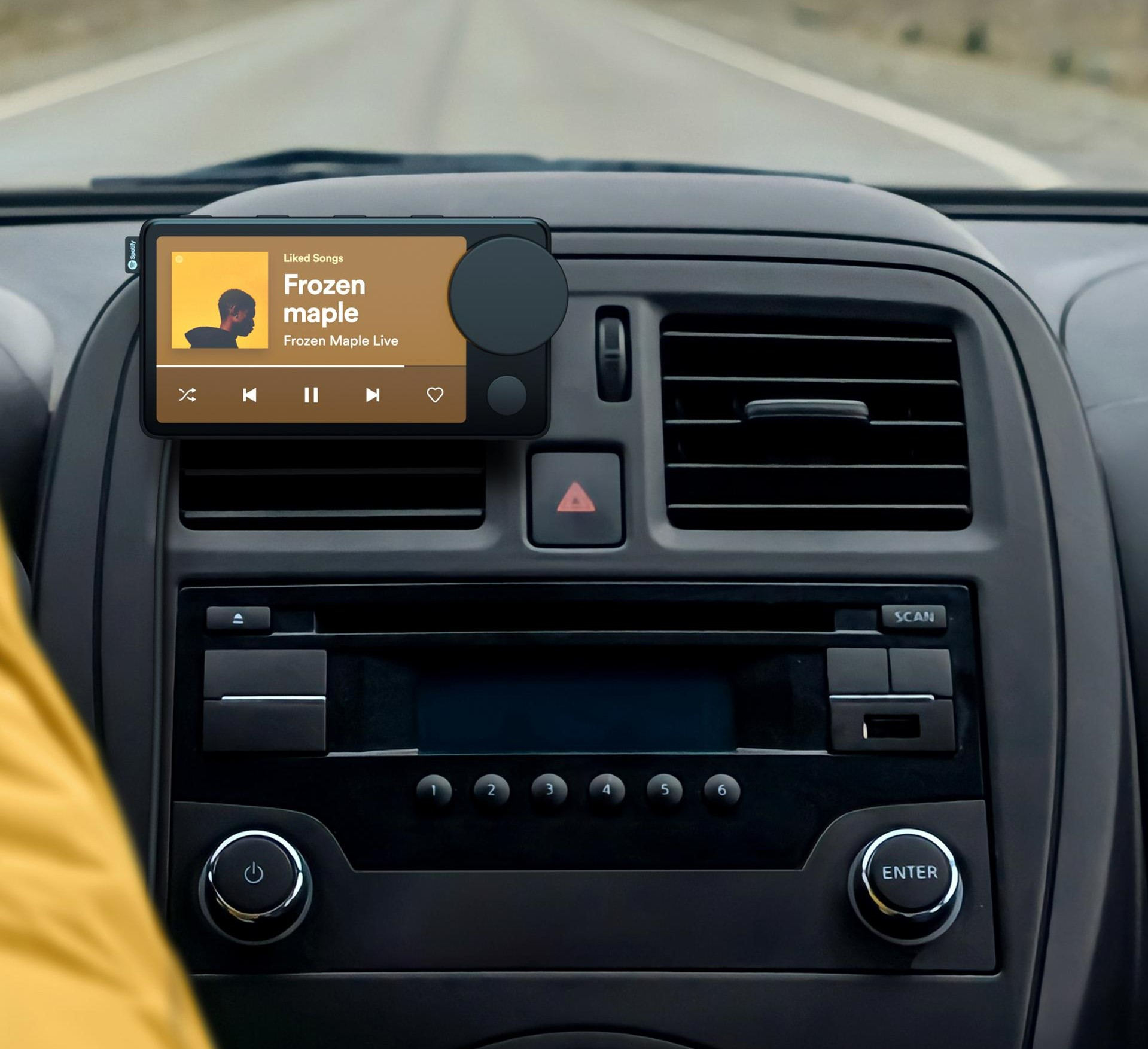
Spotify Car Thing is a $90 thing that plays Spotify in your car

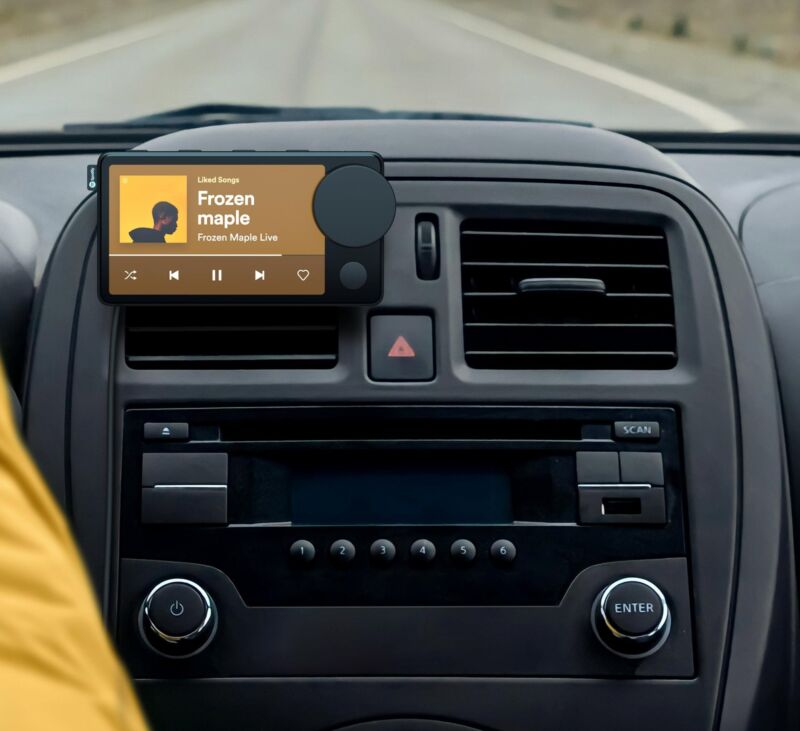
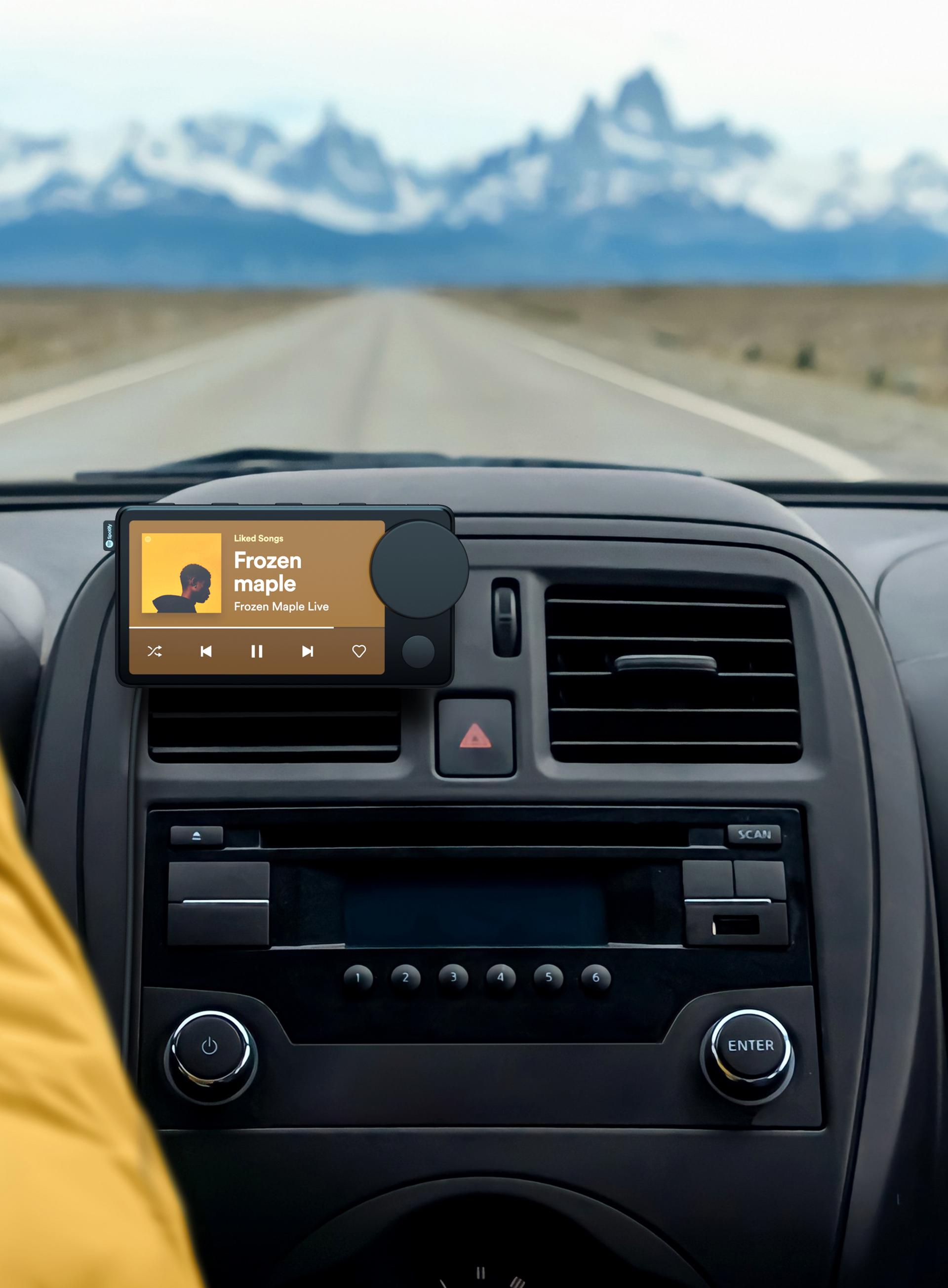
Spotify's Car Thing thing in a car.

Enlarge / Spotify’s Car Thing thing in a car. (credit: Spotify)

Spotify is entering the hardware market with Car Thing, a smart music player meant to sit on your dashboard.

The company released Car Thing to a limited number of subscribers in October, and it announced on Tuesday that anyone can buy the device for $90—but you need a Spotify Premium subscription to use it. Spotify Premium currently costs $10 per month for individuals, with plans going up to $16 per month for six accounts. Car Thing also requires a connection to your phone for mobile data or Wi-Fi.

The device is meant to provide a way to listen to Spotify in your car without the need to look down at your phone or deal with clunky built-in car interfaces, which can be dangerous to use on the road. A 12 V power adapter connects to Car Thing and your car’s auxiliary power outlet, and the device then connects to your phone via Bluetooth. Finally, you connect the device to your car stereo via AUX, Bluetooth, or USB. The player also supports Apple CarPlay and Android Auto.

Read 6 remaining paragraphs | Comments

Inside “Project Tinman”: Peloton’s plan to conceal rust in its exercise bikes

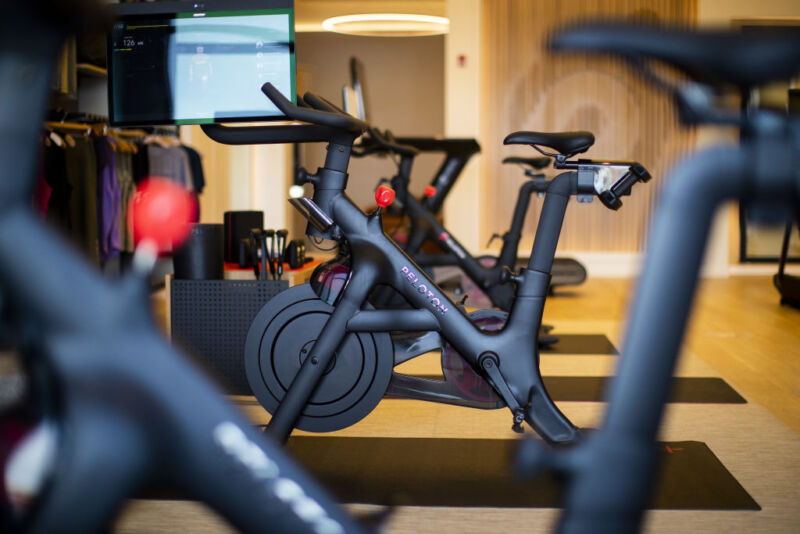
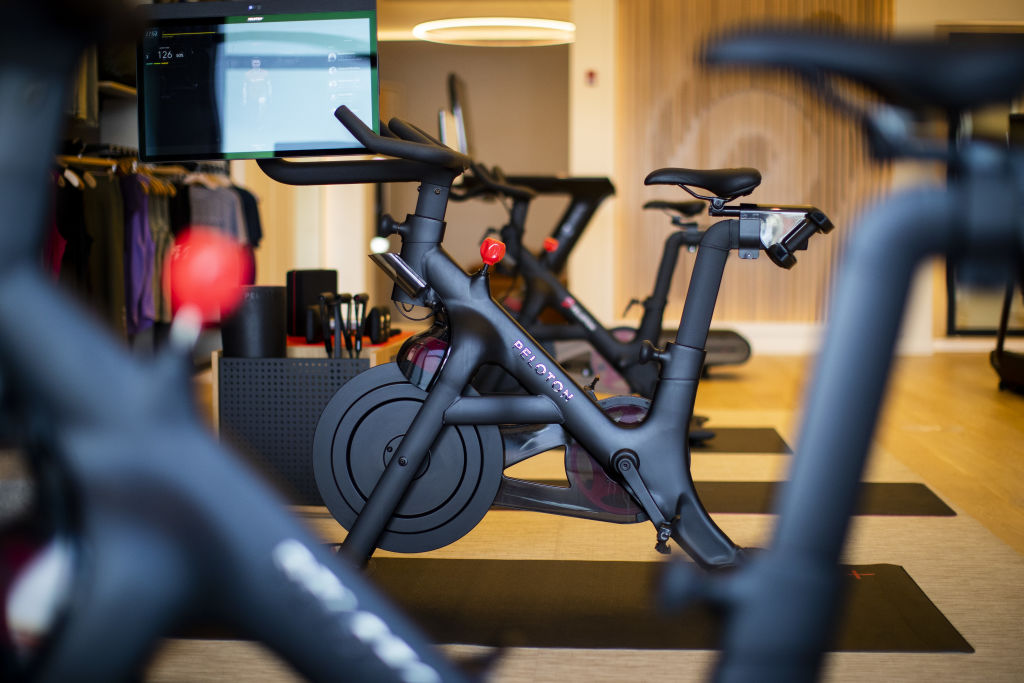
A Peloton stationary bike for sale at the company's showroom in Dedham, Massachusetts.

Enlarge / A Peloton stationary bike for sale at the company’s showroom in Dedham, Massachusetts. (credit: Bloomberg | Getty Images)

As Peloton’s stock price began to tumble last autumn and just months after a costly recall of the connected fitness company’s expensive treadmills, its executives were confronted with a new crisis.

In September last year, staff at Peloton warehouses, which receive high-end bikes originally manufactured in Taiwan, noticed that paint was flaking off some of the exercise machines.

The cause was a build-up of rust on “non-visible parts” of the bike—the inner frame of the seat and handlebars—and did not affect the product’s integrity, Peloton recently told the Financial Times.

Read 27 remaining paragraphs | Comments

How to Use localStorage with React Hooks to Set and Get Items

localStorage is a web storage object that allows JavaScript sites and apps to keep key-value pairs in a web browser with no expiration date. This means the data survives page refreshes (sessionStorage) and even browser restarts. This indicates that the data stored in the browser will remain even when

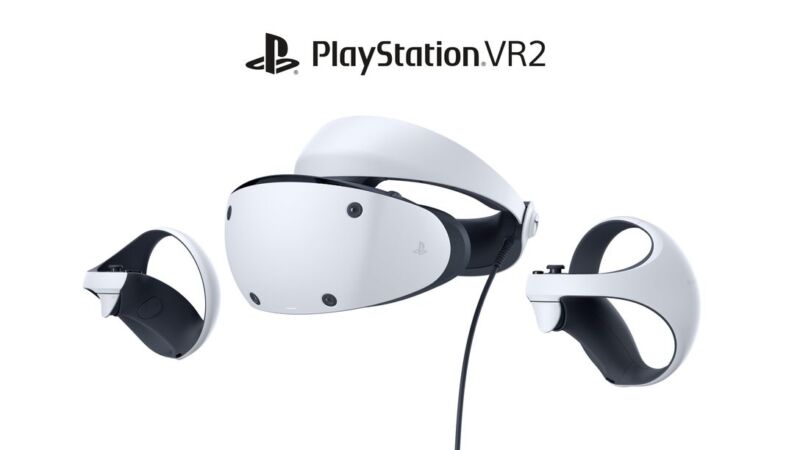
Sony offers a first look at the orb-like PSVR2 headset

Say so long to the original PSVR's glowing blue lights

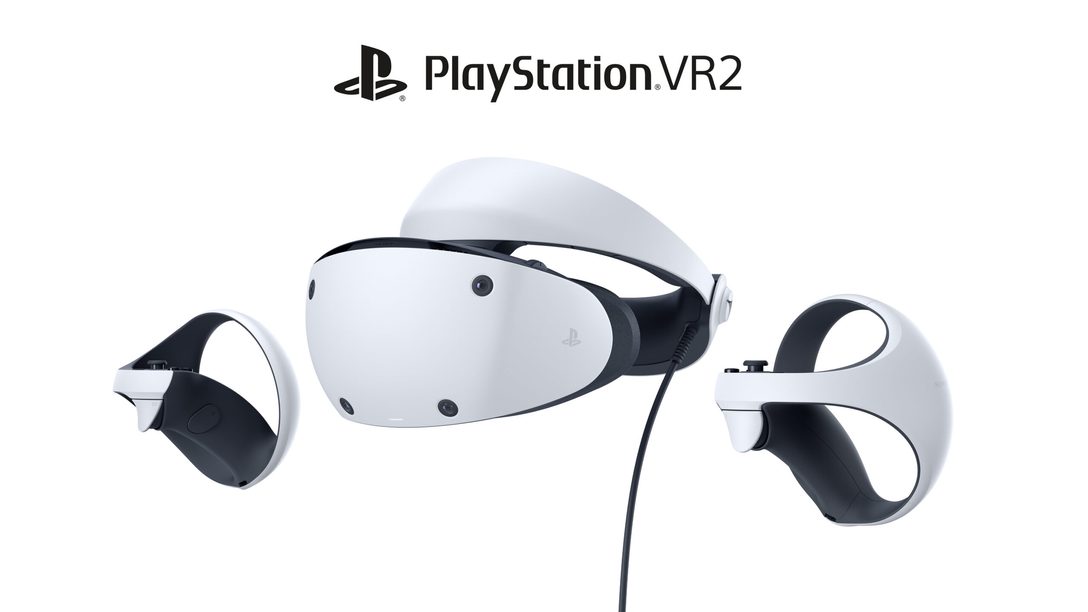
Enlarge / Say so long to the original PSVR’s glowing blue lights (credit: PlayStation Blog)

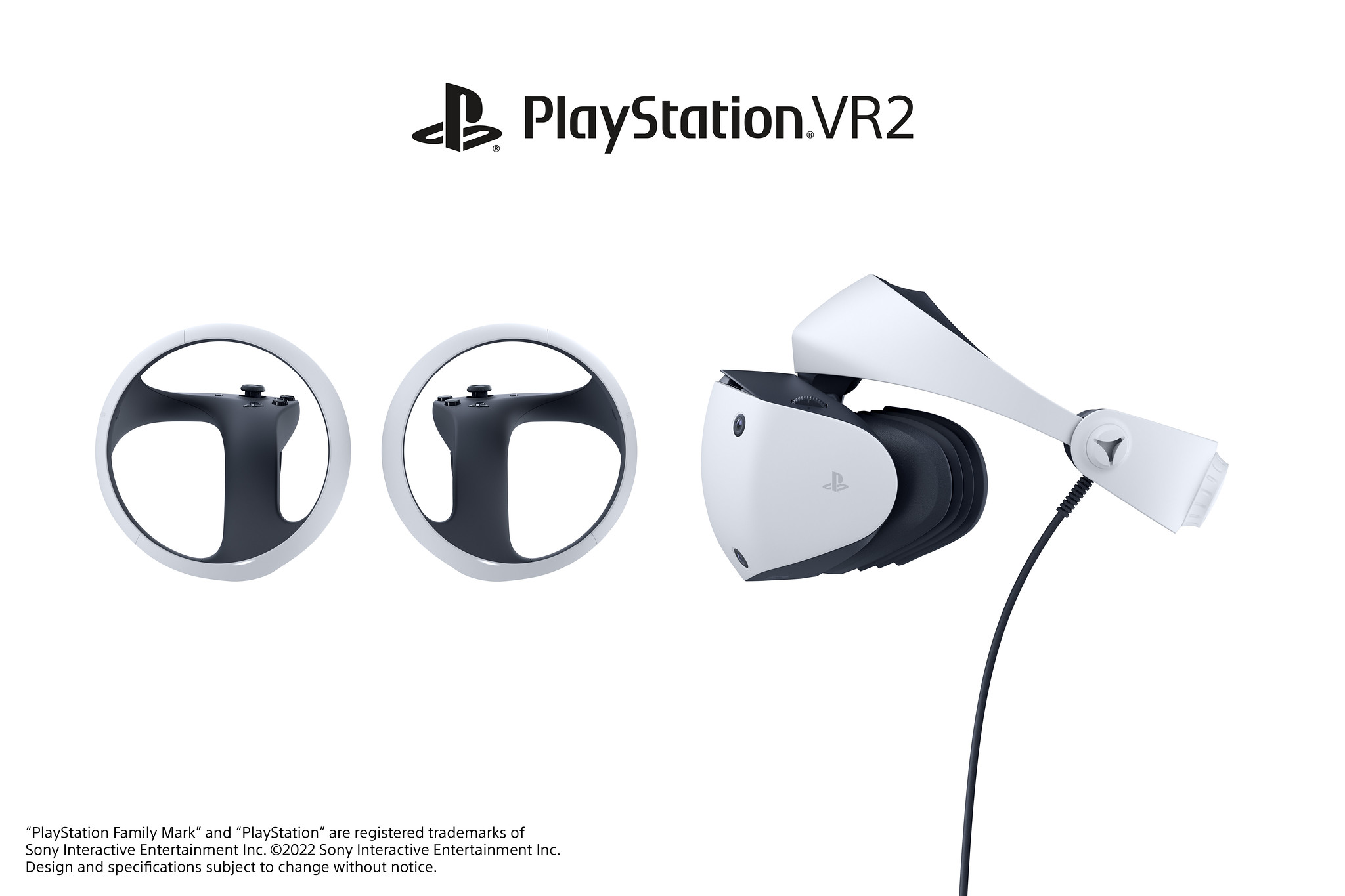
It was just shy of a year ago today that Sony first announced the (then-unnamed) PlayStation VR2. Today, the company showed off the first photos of the upcoming PS5-compatible headset’s design, highlighting a number of aesthetic and functional changes over 2016’s original PSVR.

In a blog post Tuesday morning, Sony confirmed that the PSVR2 will mimic the general ergonomics and balancing of the first PSVR. That means an adjustable headband that tucks under the back of the skull and around to the front of the forehead, offering a base for an adjustable scope area that hangs down in front of the eyes. We called that design “exceedingly comfortable” when we reviewed the first PSVR back in 2016, so we’re glad Sony hasn’t messed with those ergonomics too much this time around.

As far as significant design changes, the PSVR2 will now offer a lens adjustment dial that can slide each lens side to side in order to match the player’s interpupillary distance. Getting a good match there can be key to providing a sharp focus and preventing eye strain and motion sickness in VR, which is why such lens sliders have been a common feature on headsets like the Oculus Rift and Quest for years now.

Read 5 remaining paragraphs | Comments

Find the soul