
Have a protein you want inhibited? New software can design a blocker

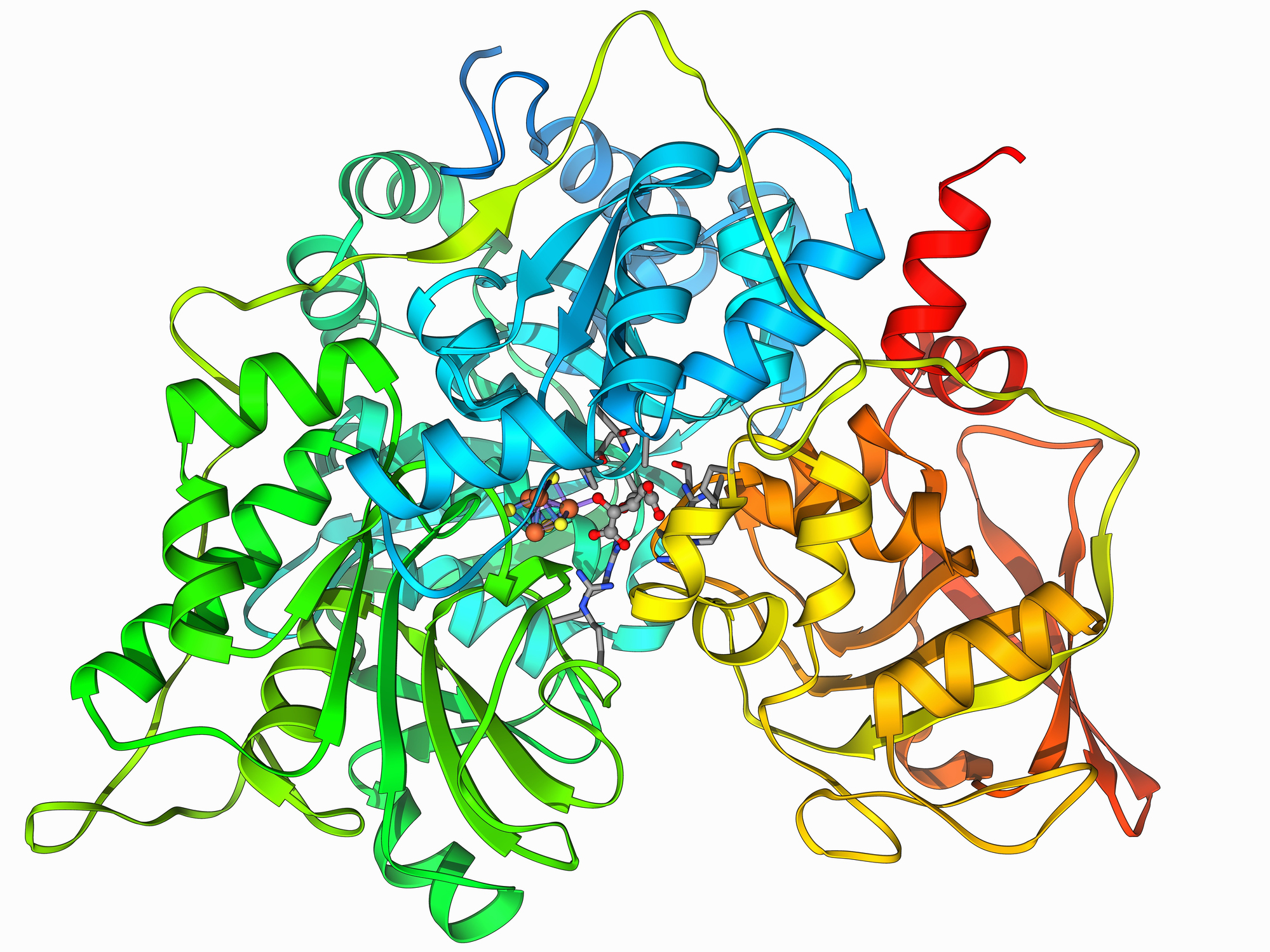
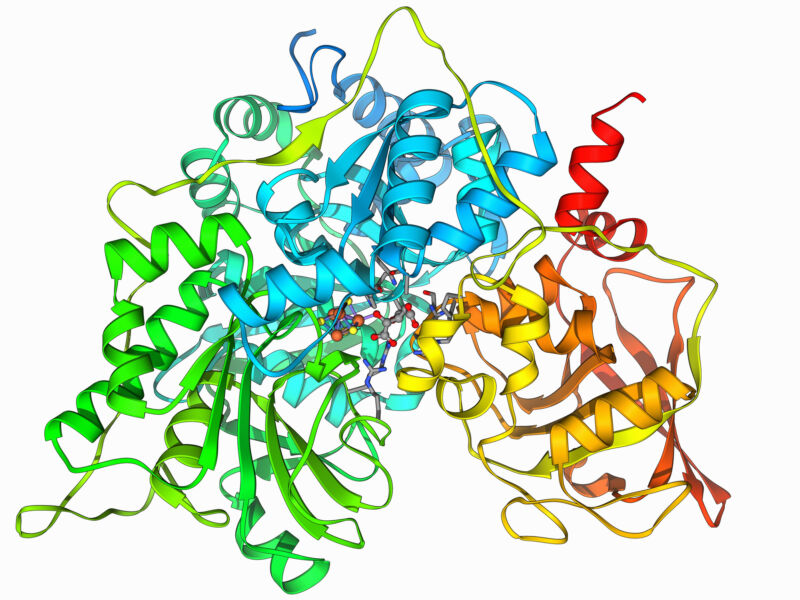
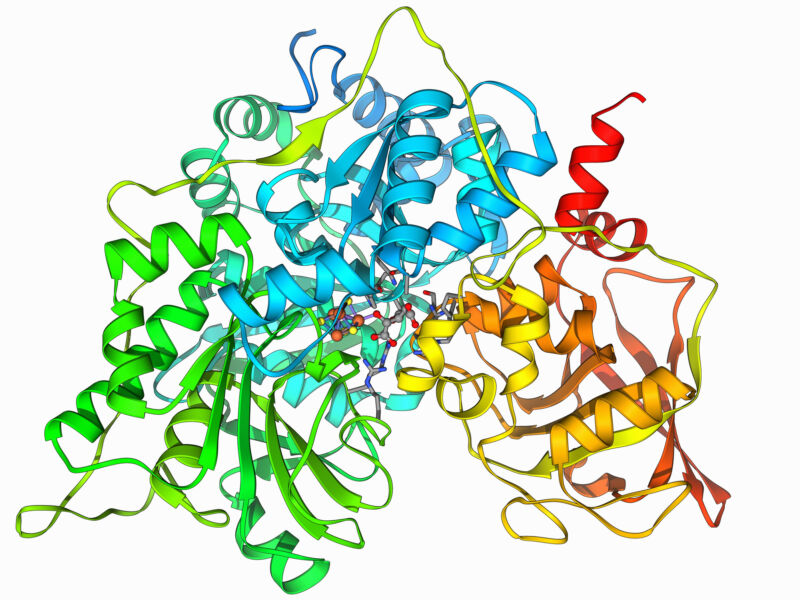
Image of a complex arrangement of colored ribbons.

Enlarge / The three-dimensional structures of proteins provide many opportunities for specific interactions. (credit: Getty Images)

Thanks in part to the large range of shapes they can adopt and the chemical environments those shapes create, proteins can perform an amazing number of functions. But there are many proteins we wish didn’t function quite so well, like the proteins on the surfaces of viruses that let them latch on to new cells or the damaged proteins that cause cancer cells to grow uncontrollably.

Ideally, we’d like to block the key sites on these proteins, limiting their ability to do harm. We’ve seen some progress in this area with the introduction of a number of small-molecule drugs, including one that appears effective against COVID-19. But that sort of drug development often results in chemicals that, for one reason or another, don’t make effective drugs.

Now, researchers announced they have created software that can design a separate protein that will stick to a target protein and potentially block its activity. The software was carefully designed to minimize the processing demands of a computationally complex process, and the whole thing benefits from our ability to do large-scale validation tests using molecular biology.

Read 12 remaining paragraphs | Comments

Asahi Linux is reverse-engineering support for Apple Silicon, including M1 Ultra

Slowly but surely, the Asahi Linux team is getting Linux up and running on Apple Silicon Macs.

Enlarge / Slowly but surely, the Asahi Linux team is getting Linux up and running on Apple Silicon Macs. (credit: Apple/Asahi Linux)

Apple Silicon Macs have gotten mostly glowing reviews on Ars and elsewhere for their speed, power efficiency, and the technical achievement they represent—the chips are scaled-up phone processors that can perform as well or better than comparable Intel chips while using less power.

But the move away from x86 hardware has also made the Mac a bit less useful for those who want to run multiple operating systems on their Macs. While you can run ARM versions of Linux and (with caveats and without official support) Windows within virtual machines on Apple Silicon Macs, running alternate operating systems directly on top of the hardware isn’t something Apple supports. Apple doesn’t distribute drivers for other operating systems, and moving away from x86 CPUs and widely supported Intel and AMD GPUs makes it harder for other developers to step in and provide those drivers.

That’s where the Asahi Linux project comes in. For months, a small group of volunteers has worked to get this Arch Linux-based distribution up and running on Apple Silicon Macs, adapting existing drivers and (in the case of the GPU) painstakingly writing their own. And that work is paying off—last week, the team released its first alpha installer to the general public, and as of yesterday, the software supports the new M1 Ultra in the Mac Studio.

Read 5 remaining paragraphs | Comments

Russia can’t find enough buyers for its oil, considers selling in bitcoin

The sun sets beyond an oil pumping unit, also known as a pumping jack, at a drilling site operated by Tatneft OAO near Almetyevsk, Russia.

Enlarge / The sun sets beyond an oil pumping unit, also known as a pumping jack, at a drilling site operated by Tatneft OAO near Almetyevsk, Russia. (credit: Andrey Rudakov/Bloomberg)

Russia’s economy is in shambles, and the value of the ruble has plummeted as the country finds itself increasingly isolated from global trade in the wake of its war on Ukraine. The country is even having a hard time finding buyers for its oil, in part because the global oil market is dominated by the US dollar.

Russia’s difficulty in selling its oil might be why it is considering alternative payment methods, including bitcoin. Pavel Zavalny, chair of the State Duma’s committee on energy, floated the idea at a press conference this week, the BBC reported.

“We have been proposing to China for a long time to switch to settlements in national currencies for rubles and yuan. With Turkey, it will be lira and rubles,” Zavalny said. “You can also trade bitcoins.”

Read 8 remaining paragraphs | Comments

Polestar brings a cheaper, single-motor Polestar 2 to the US

A Polestar 2 (foreground) and a Polestar 1 (background) at Polestar's showroom in Marin County, California.

Enlarge / A Polestar 2 (foreground) and a Polestar 1 (background) at Polestar’s showroom in Marin County, California. (credit: Polestar)

In 2020, we got our first drive in the then-new Polestar 2, an electric fastback sedan from a startup automaker owned by Volvo and Geely. The car had a great interior and some nifty infotainment features courtesy of Google’s Android Automotive OS.

At launch, there was just one powertrain option: a dual-motor, all-wheel-drive setup with a combined 408 hp (300 kW) and 486 lb-ft (660 Nm), powered by a 78 kWh (75 kWh net) lithium-ion battery. But the company has now added a second, cheaper Polestar 2 to its US lineup. The new option makes do with just a single electric motor that powers the front wheels.

Polestar turned up the power on this motor compared to the otherwise-identical units you’d find if you dissected an AWD Polestar 2; it now generates 231 hp (170 kW), although it still makes an identical 243 lb-ft (330 Nm). Battery capacity remains unchanged at 75 kWh net, and that’s sufficient for an EPA range of 270 miles (434 km).

Read 2 remaining paragraphs | Comments

Wordle creator describes game’s rise, says NYT sale was “a way to walk away”

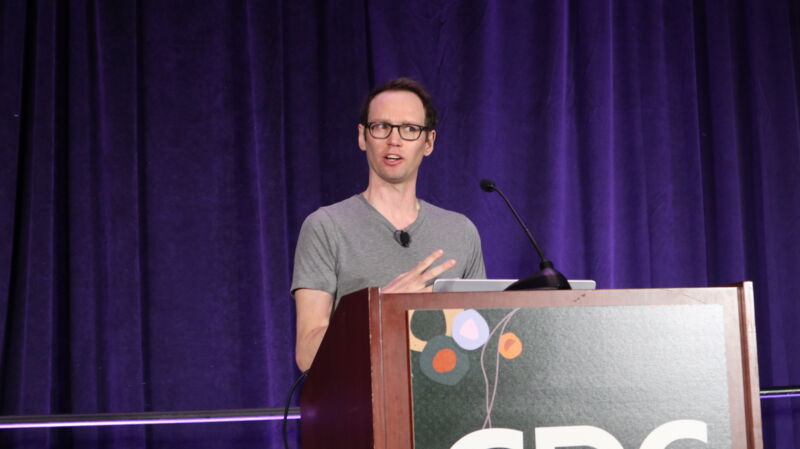
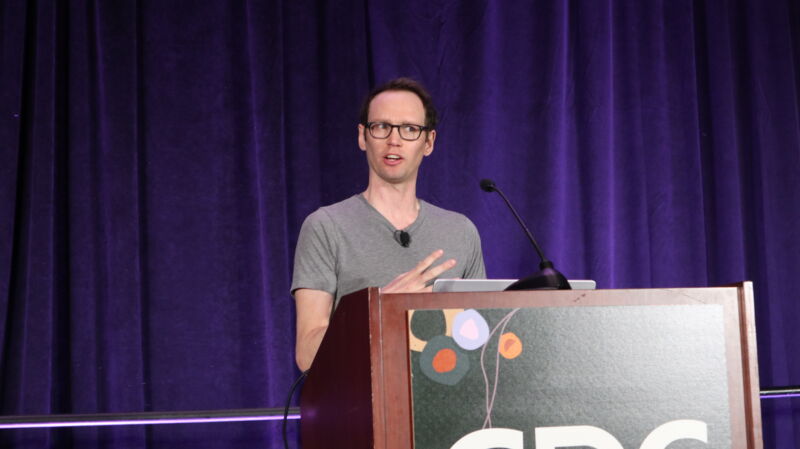
Josh Wardle speaks at the 2022 Game Developers Conference in San Francisco about his gaming sensation <em>Wordle</em>.

Enlarge / Josh Wardle speaks at the 2022 Game Developers Conference in San Francisco about his gaming sensation Wordle. (credit: Sam Machkovech)

SAN FRANCISCO—Josh Wardle, creator of the game Wordle, arguably holds a world record for the fastest sale of a massive new game the instant it became a worldwide phenomenon.

Hence, his presentation at the 2022 Game Developers Conference has a different flair than the usual “post-mortem” dissection of a finished game. His presentation has plenty to dissect, including the “low seven figures” deal that saw him sell the whole thing to The New York Times at the end of January. But in addition to questions about how Wordle was born, Wardle seems aware of the unspoken question on everyone’s mind: Why would you move on just as the game took off?

Answering both of those questions, to some extent, requires appreciating that the Times had been in Wardle’s mind well before Wordle joined its family.

Read 33 remaining paragraphs | Comments

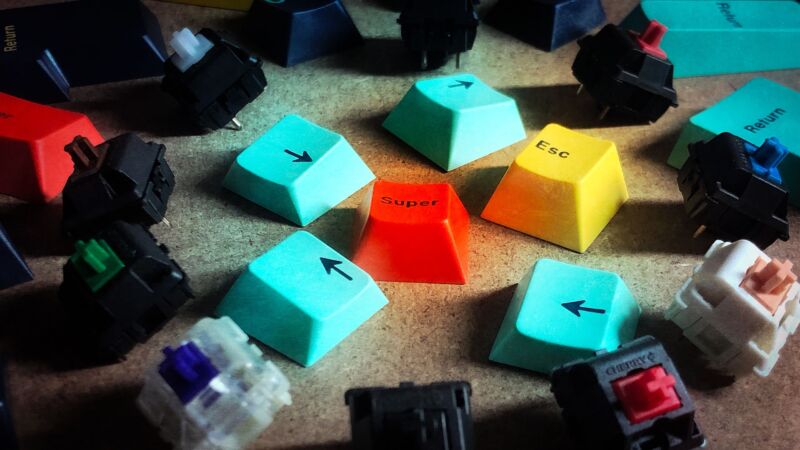
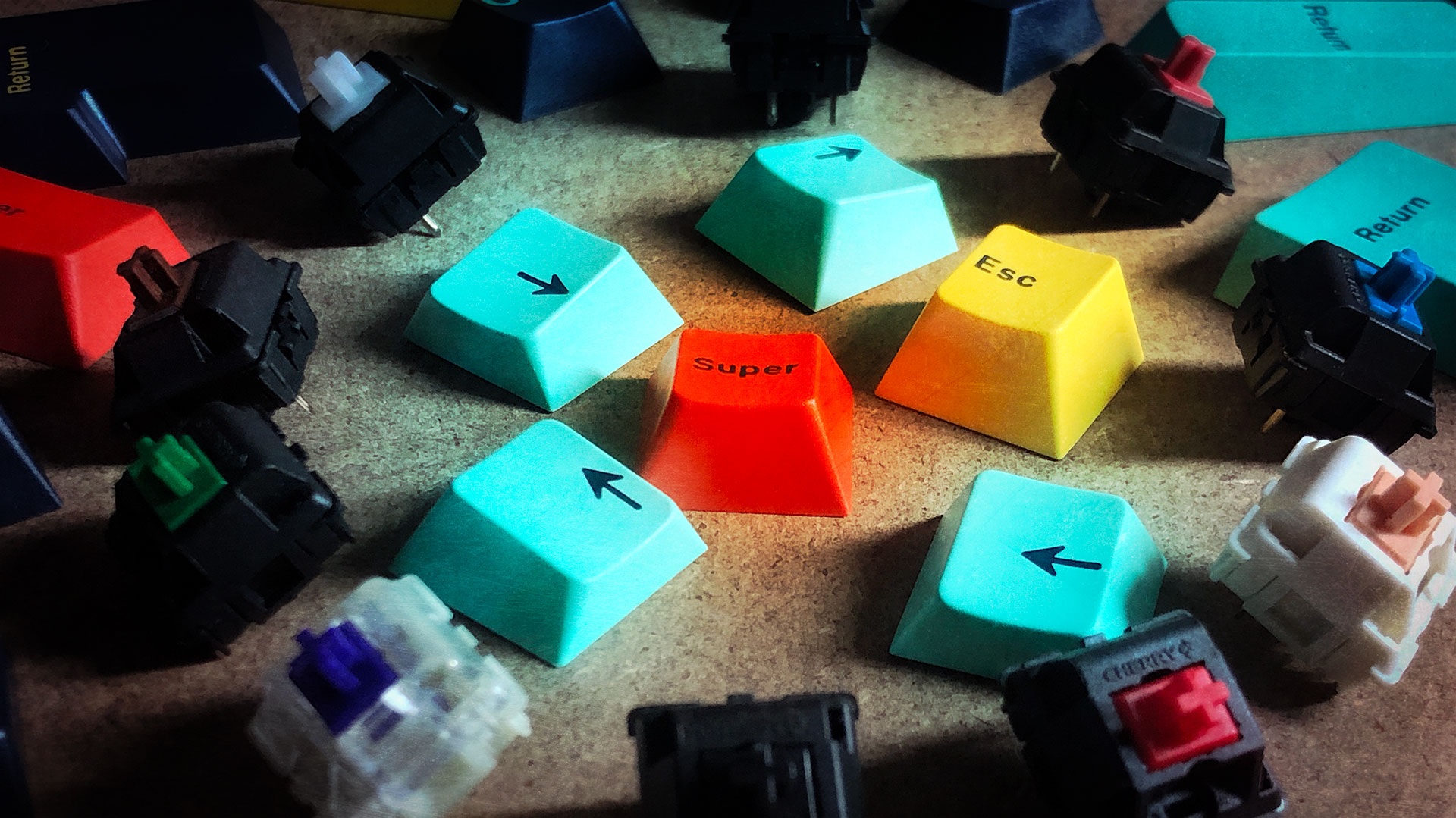
The Ars Technica guide to mechanical keyboards

The Ars Technica guide to mechanical keyboards

Enlarge (credit: Aurich Lawson)

So you’ve heard about mechanical keyboards and you want to learn more.

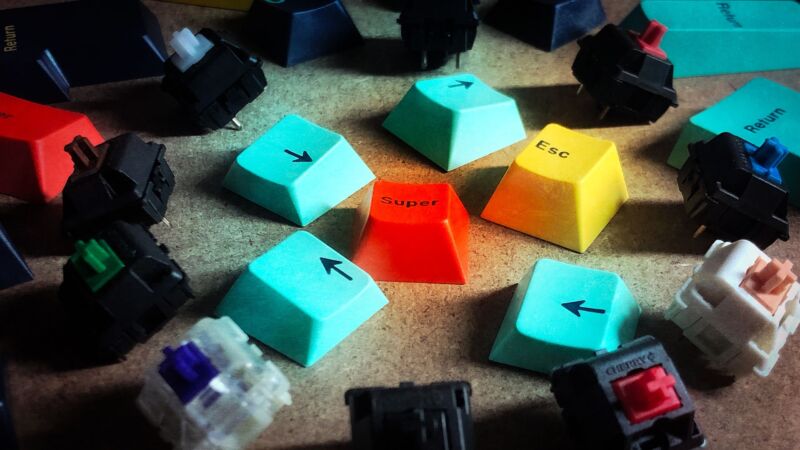
Sure, a standard membrane keyboard will get the job done, but the long-lasting keys and trademark tactile responsiveness of mechanical keyboards offer a premium experience that many people swear by. If you’ve ever remarked with dismay about a keyboard’s “mushiness,” a mechanical keyboard might be just the thing you need.

Every key in a mechanical keyboard has its own switch, and registering an input requires pushing a plastic stem inside the switch down, with resistance coming from the switch’s spring. In contrast, membrane keyboards (also known as rubber dome keyboards) use thin layers of plastic underneath the keys. Pressing a key sends a dome-shaped piece through a hole in the membrane, creating a circuit and sending an input to the PC. While membrane keyboards are typically thinner, quieter, more spill-resistant, and cheaper to make, they can feel flat and make it difficult to know if you’ve pressed a key or not. Mechanical switches offer way more physical feedback.

Read 102 remaining paragraphs | Comments

How a freeCodeCamp Student Started a Business and Teaches Kids to Code

Original Article: 脑瘫、面包店、志愿者——“编程让我变得更真实” [https://chinese.freecodecamp.org/news/cerebral-palsy-bakery-volunteer-programming-makes-me-real/] Original Author: Miya Liu [https://chinese.freecodecamp.org/news/author/miyaliu/] In 2019, the freeCodeCamp Chinese community launched the DevTalk interview program. We invited senior developers, Internet practitioners, and people with development backgrounds to share their experiences learning programming, working experiences, and other exciting stories.
Find the soul