
Here’s why modern cars feel so lifeless to drive

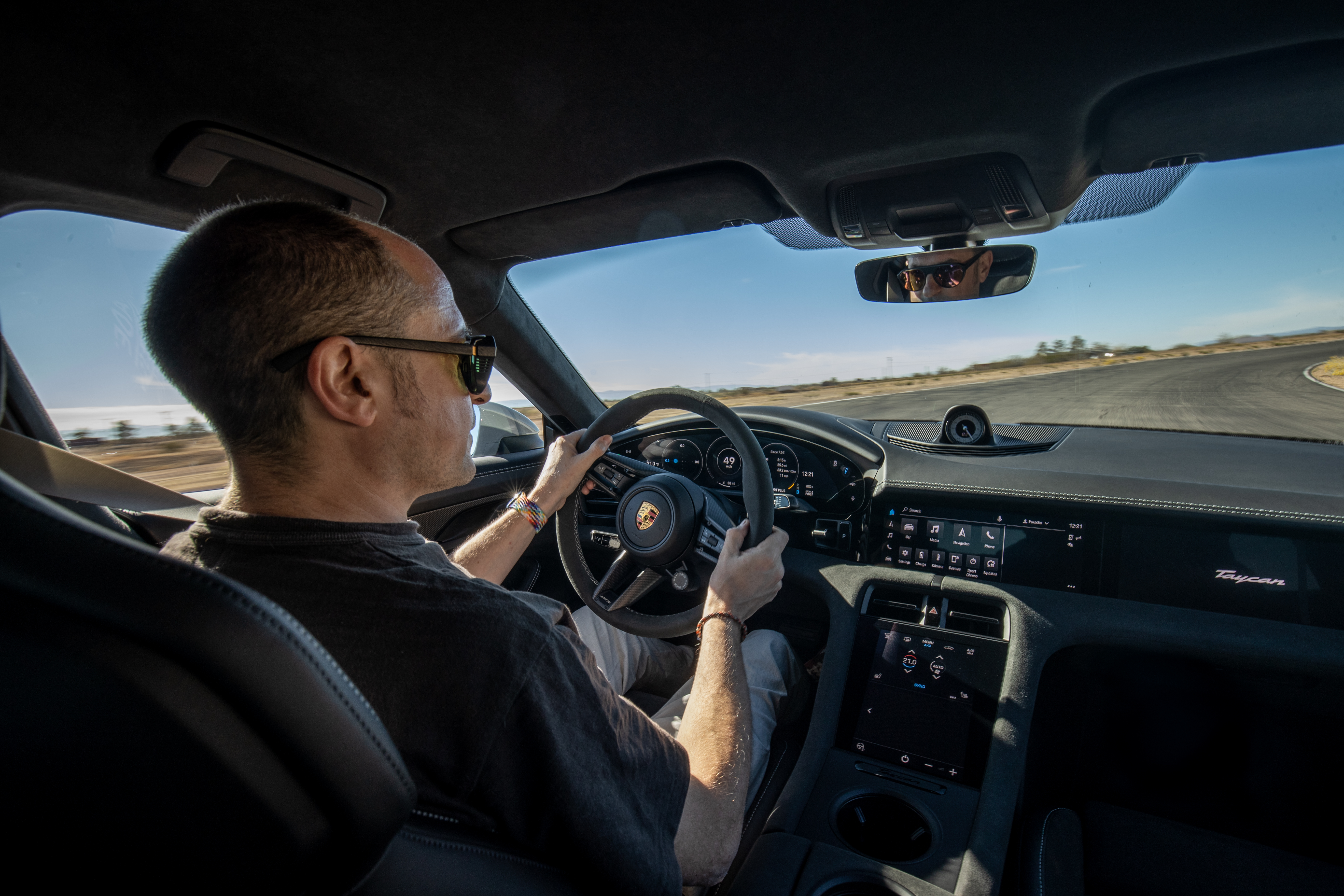
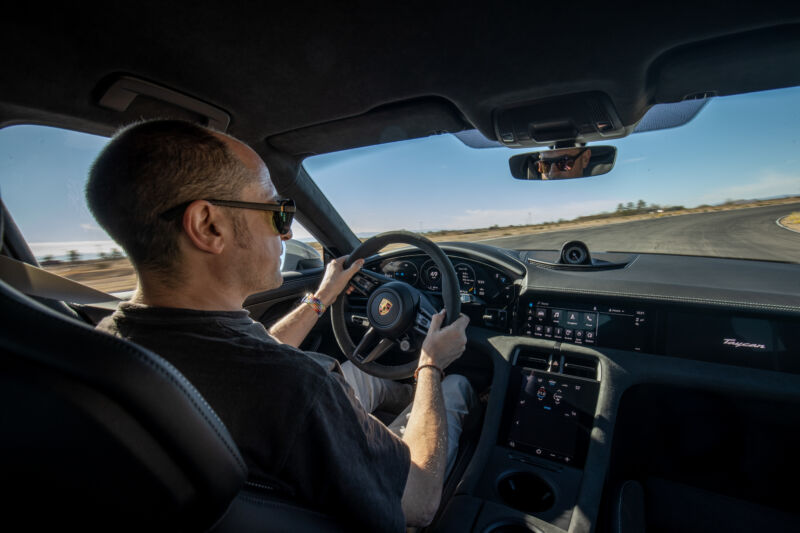
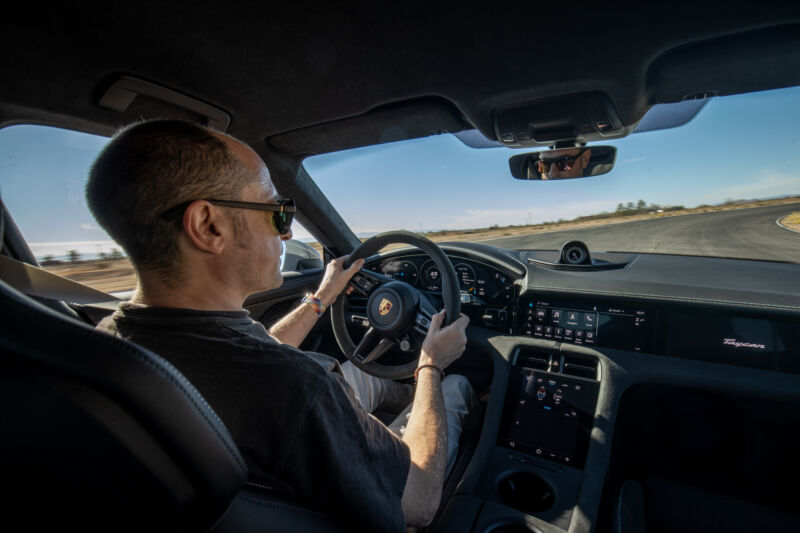
A person drives a Porsche Taycan on track

Enlarge / The Porsche Taycan is one of the few new cars to exhibit anything we might recognize as steering feel. That wasn’t always the case. (credit: Andrew Hedrick)

In almost every regard, new cars are better than they’ve been at any time in their history. They’re safer than they used to be—though that is less true for women. Powertrains, particularly battery electric ones, are more powerful and more efficient, which helps to compensate for the extra weight of that added safety equipment. Vehicles are far more reliable, at least for their first 100,000 miles, and even cheap cars come with standard equipment that would seem like science fiction to drivers from just a few decades ago.

They ride better; they stop better—so everything’s great, right? The problem is that modern cars almost invariably feel a bit boring to drive. The issue is more acute the longer you’ve been driving, as you might expect, since the cause is technological progression—specifically, power steering.

What happened to steering feel?

For much of the car’s existence, steering was entirely unassisted. The driver turns the wheel connected to a steering column that, through links and pivots and usually a gear, turns the front wheels in either direction. That setup was marvelous for feedback, but it wasn’t great in terms of the effort required to turn the wheel, particularly at lower speeds.

Read 11 remaining paragraphs | Comments

Scammers put fake QR codes on parking meters to intercept parkers’ payments

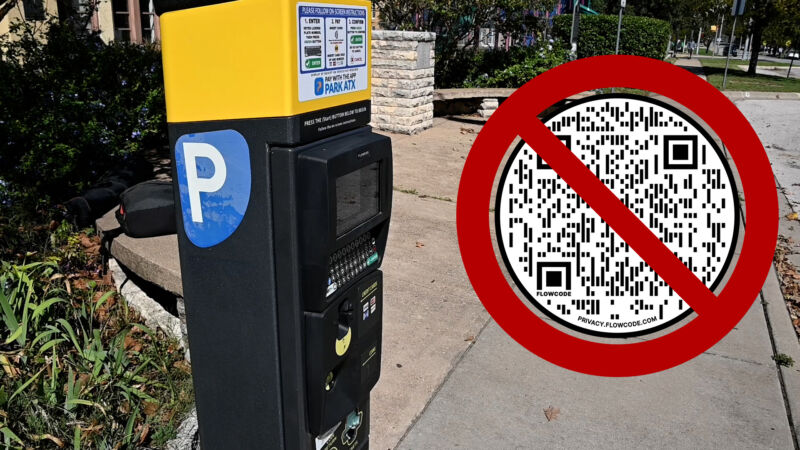
Illustration of a parking meter and a warning not to scan any QR codes on meters.

Enlarge / Image from the City of Austin’s warning to ignore QR code stickers on parking meters. (credit: City of Austin)

Scammers in a few big Texas cities have been putting fake QR codes on parking meters to trick people into paying the fraudsters. Parking enforcement officers recently found stickers with fraudulent QR codes on pay stations in Austin, Houston, and San Antonio.

San Antonio police warned the public of the scam on December 20, saying that “people attempting to pay for parking using those QR codes may have been directed to a fraudulent website and submitted payment to a fraudulent vendor.” Similar scams were then found in Austin and Houston.

The Austin Transportation Department started examining their own meters after being “notified of a QR code scam by the City of San Antonio in late December—when more than 100 pay stations were stickered with fraudulent codes,” Fox 7 Austin reported last week. Austin officials checked the city’s 900 or so parking pay stations and found fraudulent QR codes on 29 of them, according to a KXAN article.

Read 5 remaining paragraphs | Comments

Wordle and IP law: What happens when a hot game gets cloned

And you thought the tweets were annoying...

Enlarge / And you thought the tweets were annoying… (credit: Aurich Lawson)

On Tuesday afternoon, searching for “Wordle” on the iOS App Store turned up a small handful of apps aping the name and gameplay of the simple word game that has gone viral in recent weeks. But none of those iOS apps were made by Josh Wardle, the Brooklyn-based software engineer who created the free web-based game last October.

Today, all of those copycat apps are gone, the apparent result of a belated purge by App Store reviewers following some social media attention. But this likely doesn’t mean the end of Wordle clones. Those quick removals paper over the complicated legal and social landscape surrounding copycat apps and the protections developers can claim on their game ideas.

Who owns “Wordle”?

Read 16 remaining paragraphs | Comments
FTC has a “plausible claim” that Facebook is an illegal monopoly, judge says

A worker picks up trash in front of the new logo in front of Meta's headquarters on October 28, 2021, in Menlo Park, Calif.

Enlarge / A worker picks up trash in front of the new logo in front of Meta’s headquarters on October 28, 2021, in Menlo Park, Calif. (credit: Justin Sullivan/Getty Images)

The Federal Trade Commission’s antitrust suit against Facebook may proceed, a federal judge has ruled. The company had filed a motion to dismiss the case, which the judge denied.

US District Judge James Boasberg had invited the FTC to refile the case after throwing out its initial attempt when he found it lacking. “Second time lucky?” Boasberg wrote in yesterday’s opinion. Apparently.

“The core theory of the lawsuit remains essentially unchanged,” he said of the FTC’s refiling. “The facts alleged this time around to fortify those theories, however, are far more robust and detailed than before, particularly in regard to the contours of Defendant’s alleged monopoly.”

Read 8 remaining paragraphs | Comments
Ships from 1,581 ports may go to Antarctica, bringing unwanted guests

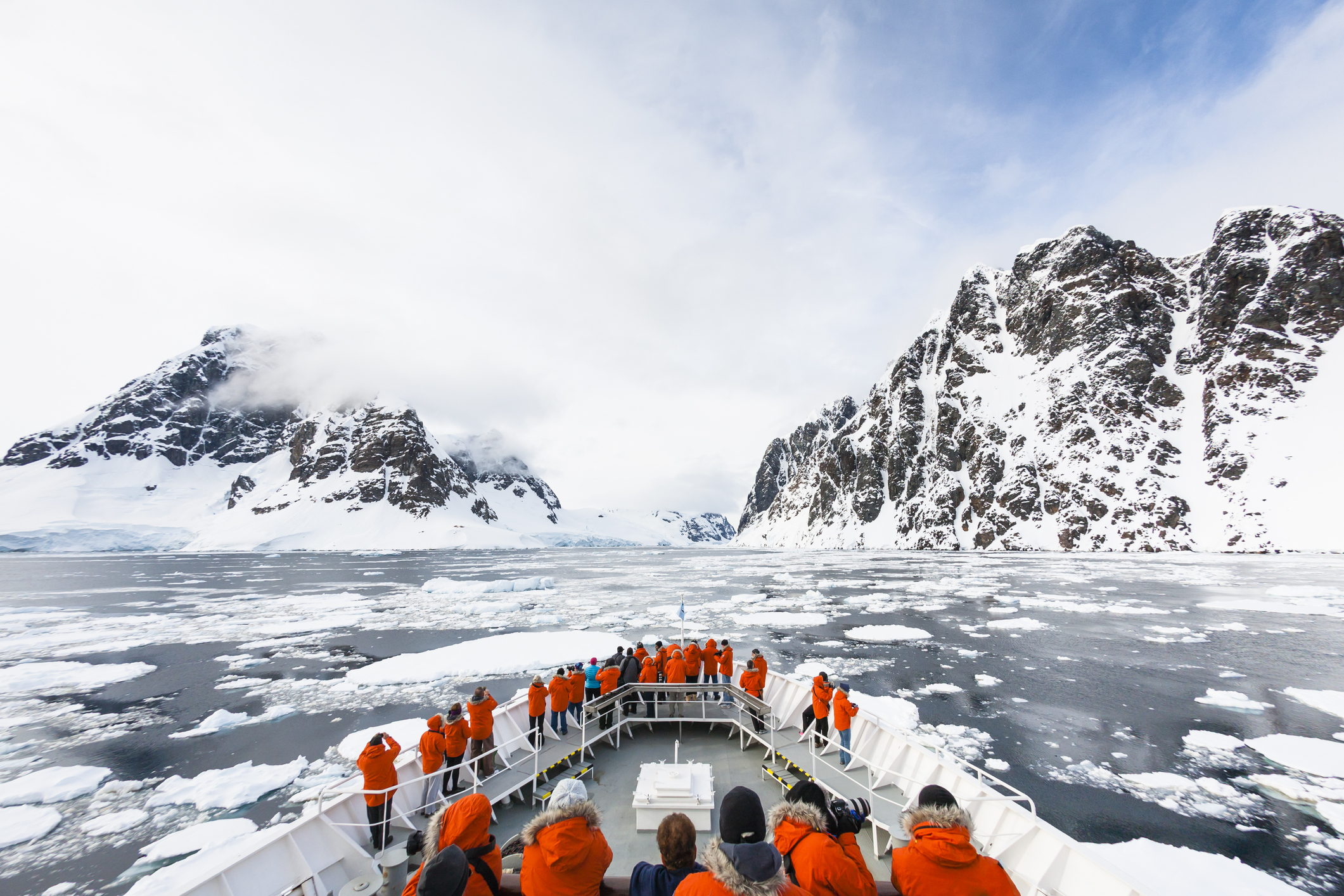
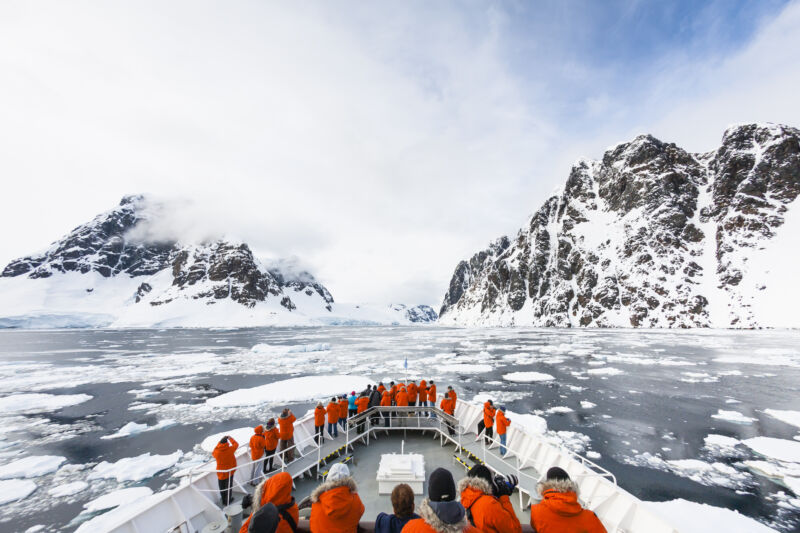
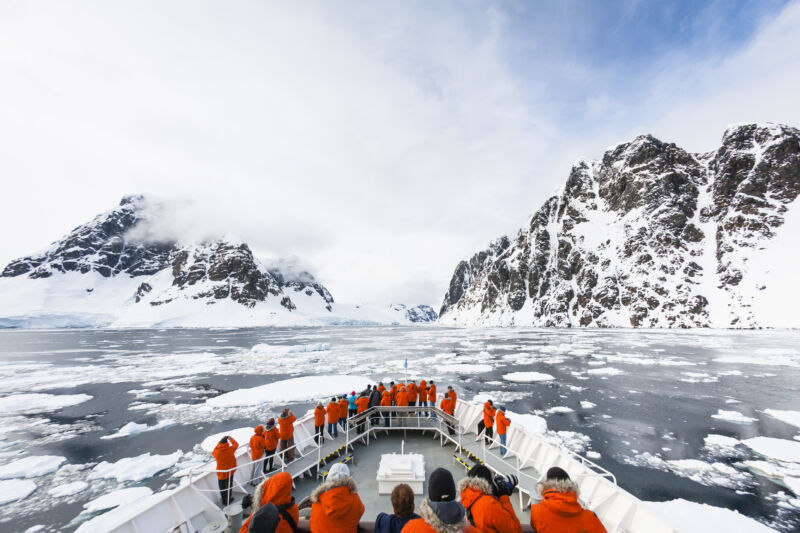
Tourist boats could potentially bring invasive species to the Antarctic region.

Enlarge / Tourist boats could potentially bring invasive species to the Antarctic region. (credit: Andrew Peacock)

Right now, the Antarctic and the waters around it are surprisingly free of invasive species. According to new research, however, that situation might change in the not-too-distant future, thanks to a shocking level of connectivity with ports across the world. Ships can accidentally carry a large array of marine life, which can in turn colonize new places (like the world’s polar south), outcompete native life, and generally wreak havoc on an ecosystem. New research has traced the paths of the various research vessels, tourist ships, and fishing boats that chug along through the icy waters of the Antarctic.

According to Arlie McCarthy, a researcher in the University of Cambridge’s Department of Zoology and the British Antarctic Survey, these watercraft all carry with them a risk of unwanted visitors. And the visitors may have more chances to relocate than we once thought.

“We know from other cold areas in the world, including the Arctic, that things growing on the hulls of ships absolutely do get transported from place to place, and it is one of the major sources of marine introductions around the world,” McCarthy told Ars. “We also know that ships going into Antarctica do have things growing on them. What we didn’t know until this point was good detail on where those ships go.”

Read 9 remaining paragraphs | Comments
Teen hacker finds bug that lets him control 25+ Teslas remotely

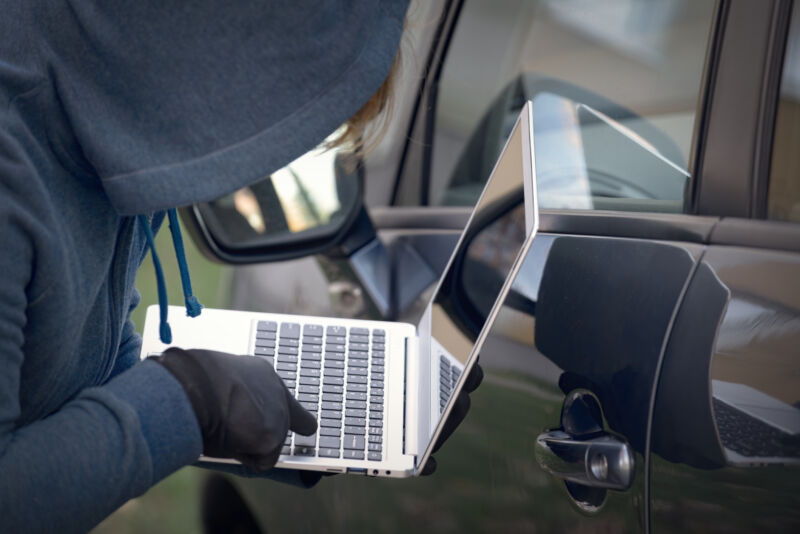
The downside with offering APIs to interact with a car is that someone else's security problem might become your own.

Enlarge / The downside with offering APIs to interact with a car is that someone else’s security problem might become your own. (credit: Getty Images)

A young hacker and IT security researcher found a way to remotely interact with more than 25 Tesla electric vehicles in 13 countries, according to a Twitter thread he posted yesterday.

David Colombo explained in the thread that the flaw was “not a vulnerability in Tesla’s infrastructure. It’s the owner’s faults.” He claimed to be able to disable a car’s remote camera system, unlock doors and open windows, and even begin keyless driving. He could also determine the car’s exact location.

However, Colombo clarified that he could not actually interact with any of the Teslas’ steering, throttle, or brakes, so at least we don’t have to worry about an army of remote-controlled EVs doing a Fate of the Furious reenactment.

Read 2 remaining paragraphs | Comments
Code a Full Stack Instagram Clone with Flutter and Firebase

Flutter and Firebase can work well together to create a full stack app. We just published a course on the freeCodeCamp.org YouTube channel that will teach you how to build an Instagram clone using Flutter on the front end and Firebase on the back end. After this tutorial, you
Find the soul