
AT&T/Verizon reject plea for 5G delay; airlines threaten mass flight cancelations

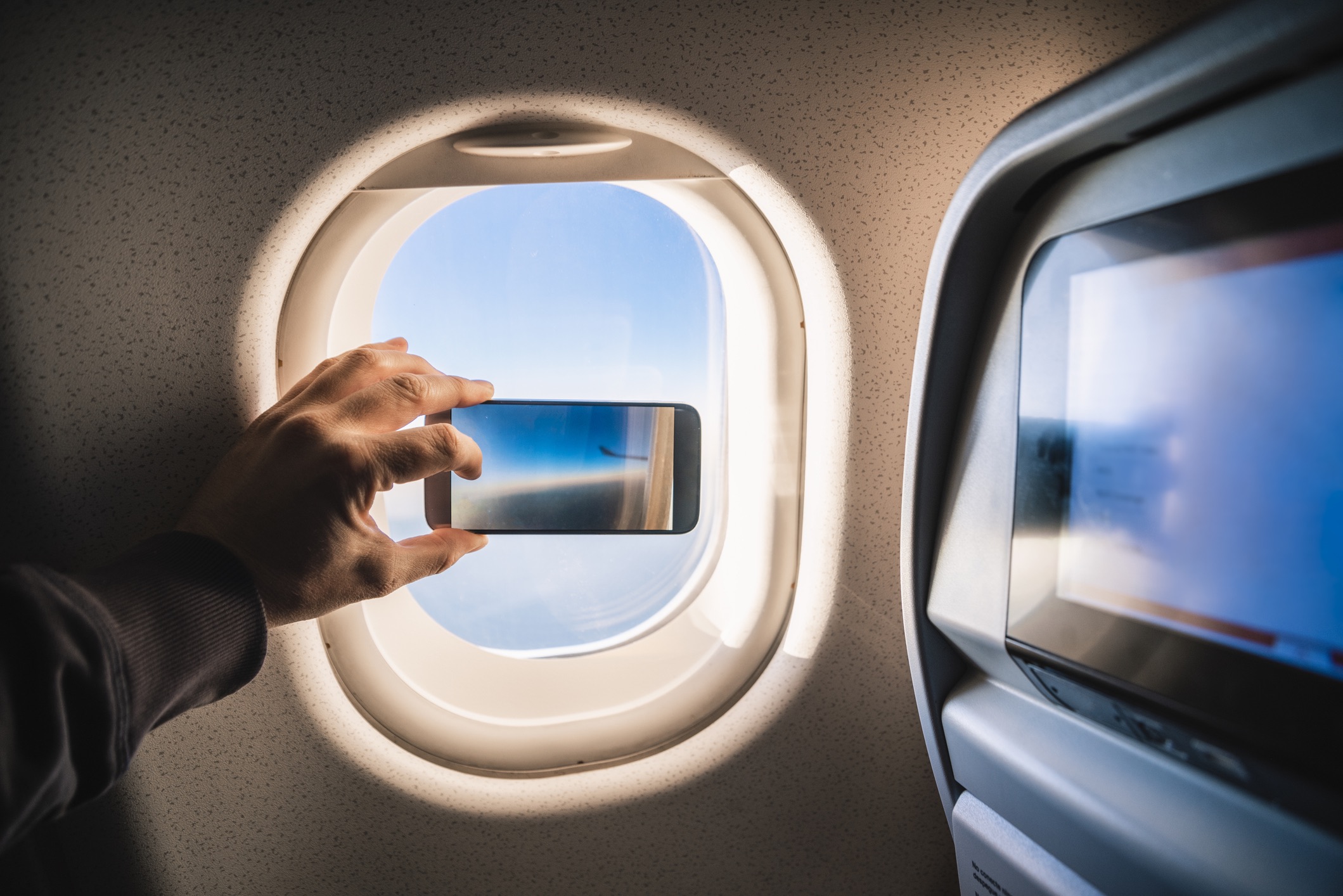
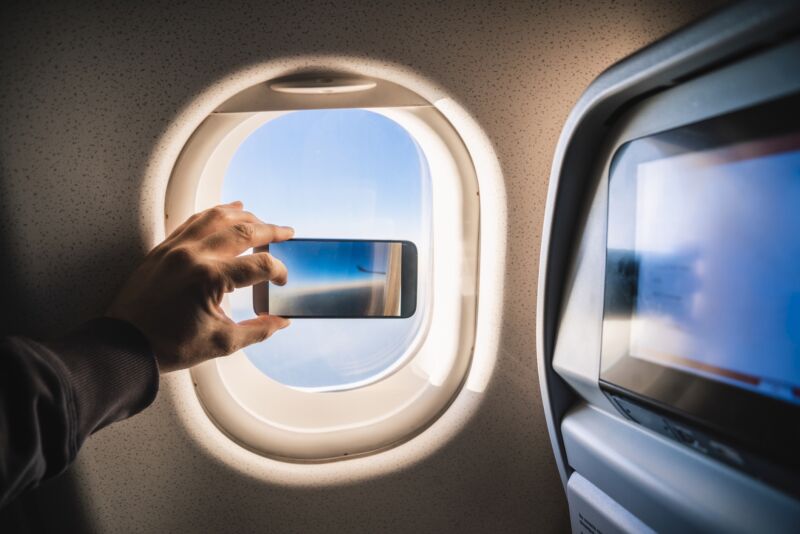
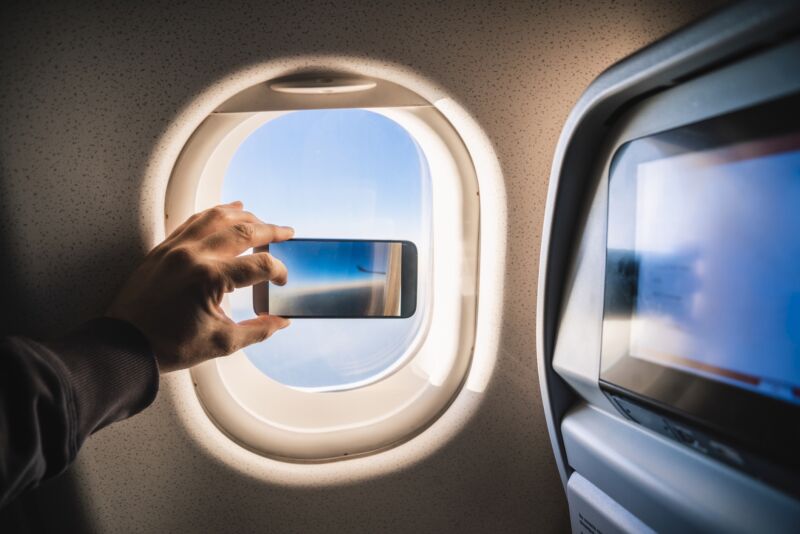
A person on an airplane using a smartphone to take a photo through the window.

Enlarge (credit: Getty Images | Marco Bottigelli)

AT&T and Verizon yesterday rejected a Federal Aviation Administration request to further delay a 5G rollout on C-Band frequencies but said they will adopt one of the world’s “most conservative” power limits near airports for six months after the planned January 5 deployment. This is in addition to other voluntary limits the carriers recently announced even though it has been almost two years since the Federal Communications Commission determined that use of the spectrum should not interfere with properly designed airplane altimeters.

“Specifically, for six months, until July 5, 2022, we will adopt the same C-Band radio exclusion zones that are already in use in France, with slight adaptation to reflect the modest technical differences in how C-Band is being deployed in the two countries,” the carriers said in yesterday’s letter. “That approach—which is one of the most conservative in the world—would include extensive exclusion zones around the runways at certain airports. The effect would be to further reduce C-Band signal levels by at least 10 times on the runway or during the last mile of final approach and the first mile after takeoff.”

The exclusion zones in France are 910×2100 meters, the letter said. AT&T and Verizon said they will use bigger exclusion zones with “an additional 540m on all four sides to accommodate” the higher power levels permitted in the US.

Read 18 remaining paragraphs | Comments
Jury in Elizabeth Holmes trial deadlocked on 3 of 11 counts

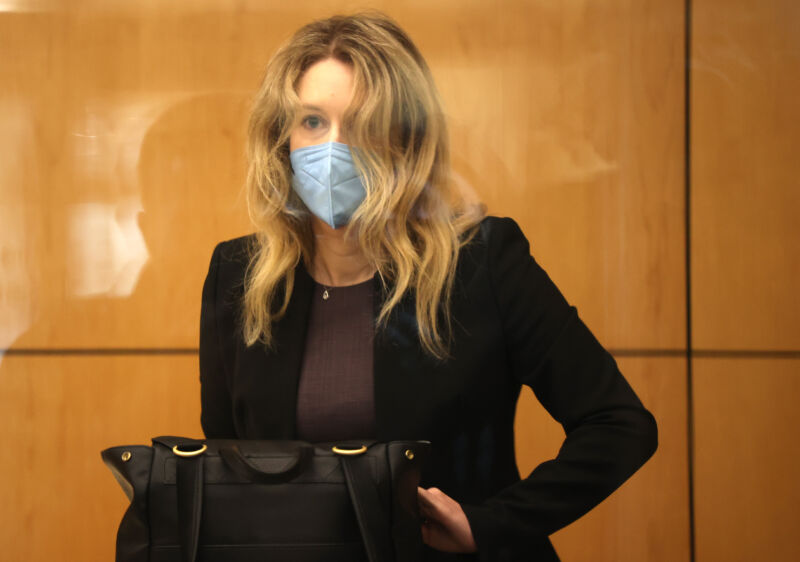
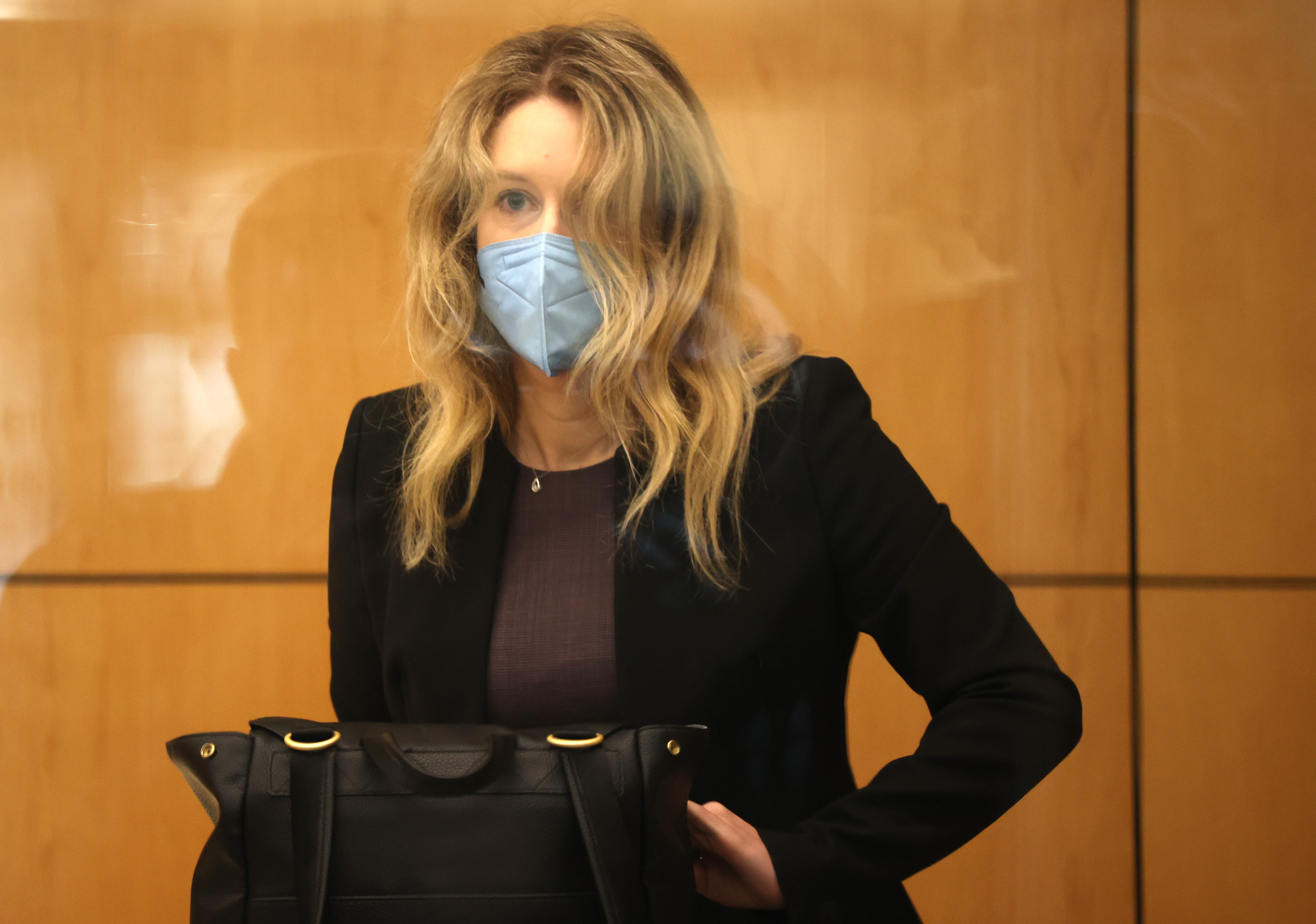
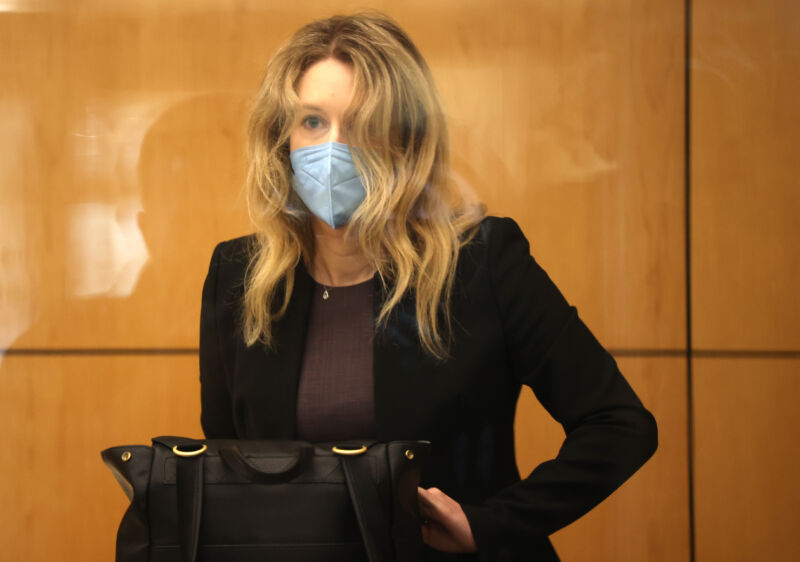
Former Theranos founder and CEO Elizabeth Holmes goes through security after arriving for court at the Robert F. Peckham Federal Building on September 17, 2021, in San Jose, California.

Enlarge / Former Theranos founder and CEO Elizabeth Holmes goes through security after arriving for court at the Robert F. Peckham Federal Building on September 17, 2021, in San Jose, California. (credit: Justin Sullivan/Getty Images)

Jurors in the Elizabeth Holmes criminal trial have been unable to reach a verdict in three of the 11 counts of fraud she has been charged with, according to a note read in court today.

Eight men and four women have been deliberating for more than 40 hours over six days, much of which occurred before an extended holiday weekend. Today is their first day back from break.

It’s unclear what decision the jury reached in the eight counts they have been able to agree on. 

Read 2 remaining paragraphs | Comments

NASA might just pull off the James Webb Space Telescope deployment

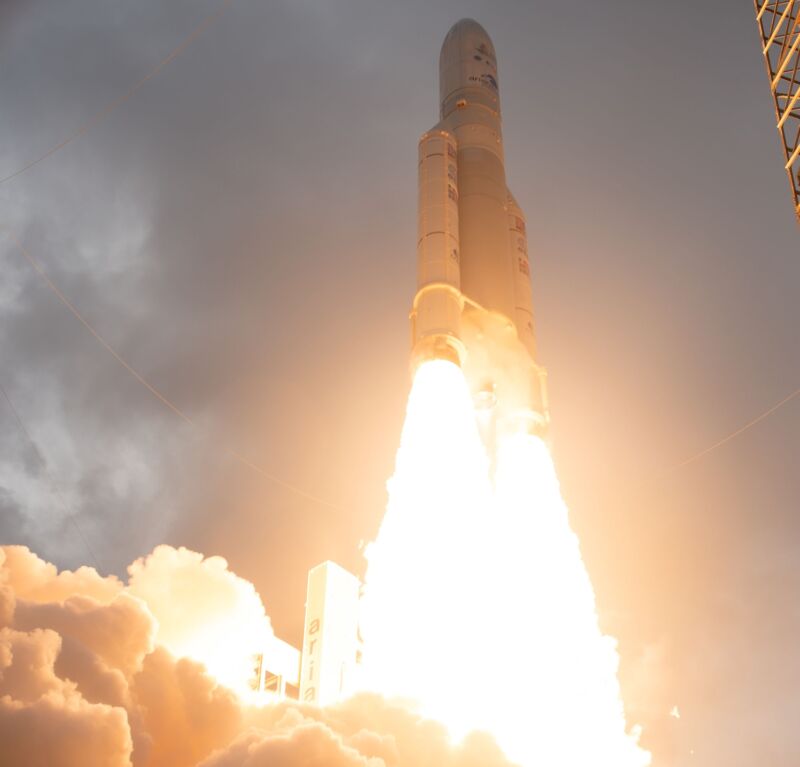
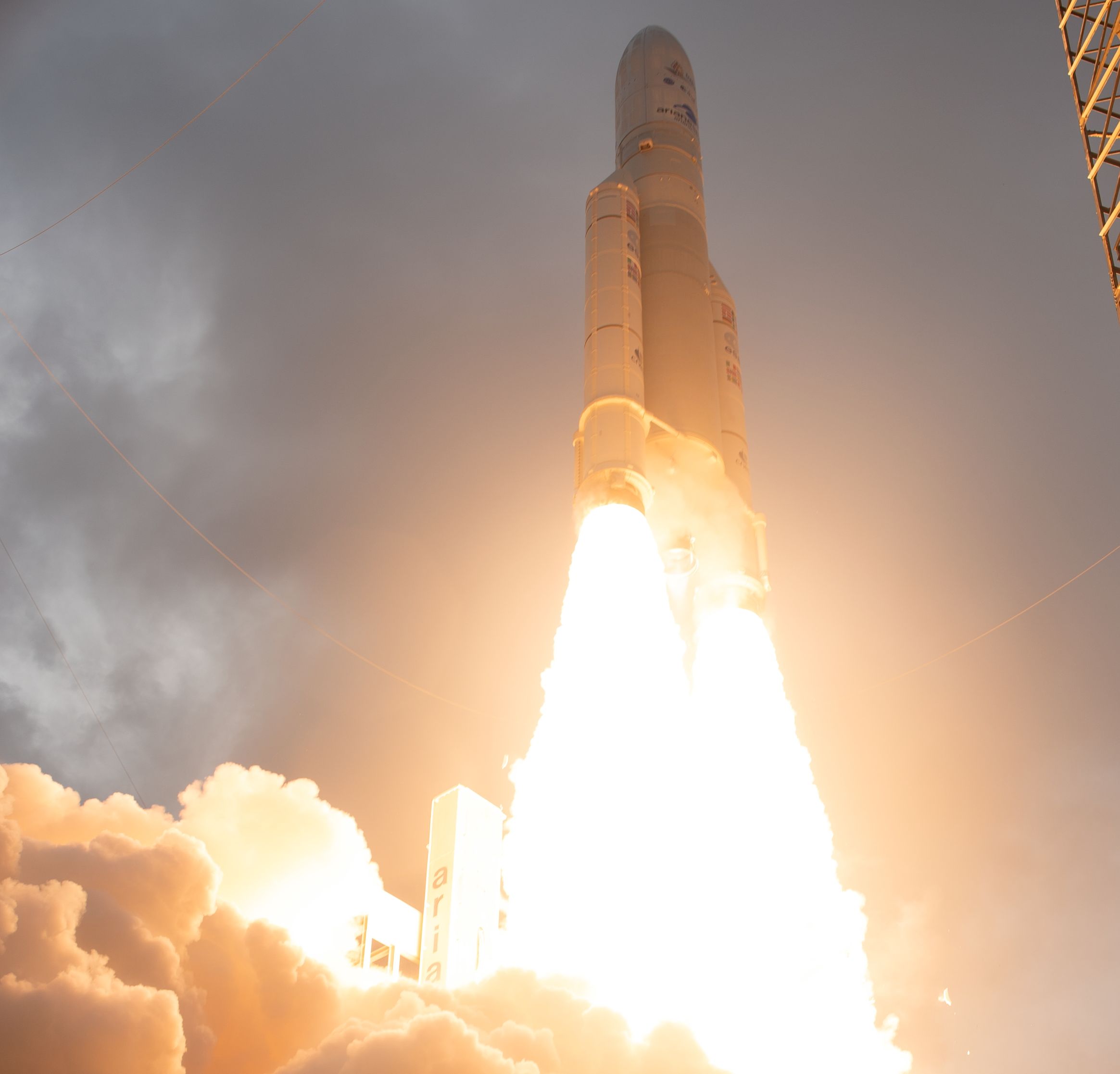
The James Webb Space Telescope lifts off from French Guiana on an Ariane 5 rocket on December 25.

Enlarge / The James Webb Space Telescope lifts off from French Guiana on an Ariane 5 rocket on December 25. (credit: ESA – S. Corvaja)

Nine days after the launch of the James Webb Space Telescope, NASA says it has made good progress deploying the $10 billion instrument and has now begun the critical process of “tensioning” the sunshield.

On Monday, six motors on board the telescope began the process of fully extending the first of five layers of the sunshield. These tennis-court sized layers, each made of a polyimide film called Kapton, will shade the instrument and allow it to cool down to 50 Kelvin, which is -223 degrees Celsius and just 50 degrees above absolute zero. This cold environment is critical for Webb to observe infrared light and detect heat from very distant objects.

NASA’s Webb project manager, Bill Ochs, said the first of these five layers should be completely deployed by the end of Monday. The goal is to extend the other four layers on Tuesday and Wednesday. After this time, the massive sunshield—the most complex aspect of an intricate deployment process—will be complete.

Read 7 remaining paragraphs | Comments

Python Tutorial – How to Create a URL Shortener using Flask

In this tutorial, we will build a URL shortener using Flask. This tool takes any URL and generates a shorter, more readable version like bit.ly. The application will allow users to enter a URL and an optional custom short id and generate a shorter version. Here’s what we’re going

Samsung teases the Galaxy S22’s AMD GPU as renders leak

The Galaxy S22 Ultra, complete with S-Pen.

Enlarge / The Galaxy S22 Ultra, complete with S-Pen. (credit: 91mobiles)

With a new year comes new phones, and Samsung will be one of the first out of the gate with the Galaxy S22 series. The device should be released sometime in the next month or two, so there are naturally a lot of leaks to look at.

91mobiles has the official Samsung-made renders of the company’s next flagship. The big news this year is that the highest-end SKU, the Galaxy S22 Ultra, is being converted into a Galaxy Note substitute and will ship with an internally stowable S-Pen. Samsung killed the S-Pen-equipped Galaxy Note last year, with reports saying the Note and S line were too similar and that culling the slab smartphone lineup would let Samsung focus more on foldables. With its squared-off design and S-Pen present in all the renders, the S22 Ultra is a Galaxy Note in everything but name.

Fans of the S-Pen will be happy, but Samsung is sacrificing some runtime for S-Pen storage. There’s no getting around having to carve out a big chunk of internal space to store a stylus, and in 2020, the 5000 mAh S20 Ultra had 500 mAh more battery capacity than the 4500 mAh Note 20 Ultra. This year, the S22 Ultra is rumored to hit 5000 mAh even with the S-Pen hole, thanks to battery density improvements. Still, the battery could have been larger without S-Pen storage.

Read 7 remaining paragraphs | Comments

Top 5 trends for endpoint security In 2022

cyber security, digital crime concept, data protection from hacker


Hear from CIOs, CTOs, and other C-level and senior execs on data and AI strategies at the Future of Work Summit this January 12, 2022. Learn more Bad actors continue to capitalize on the widening gaps in endpoint security that all organizations are planning to improve in 2022. chief information security officers (CISOs) and their teams are stretche…Read More

FDA authorizes boosters for 12- to 15-year-olds, shortens interval for adults [Updated]

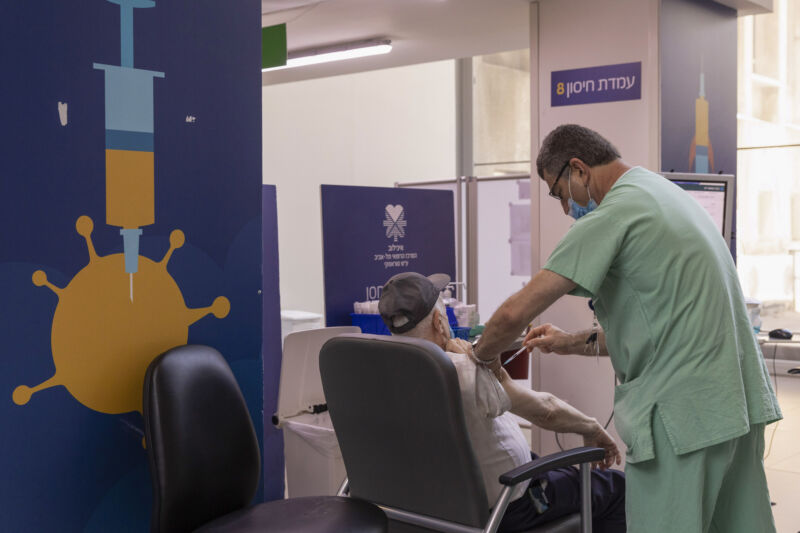
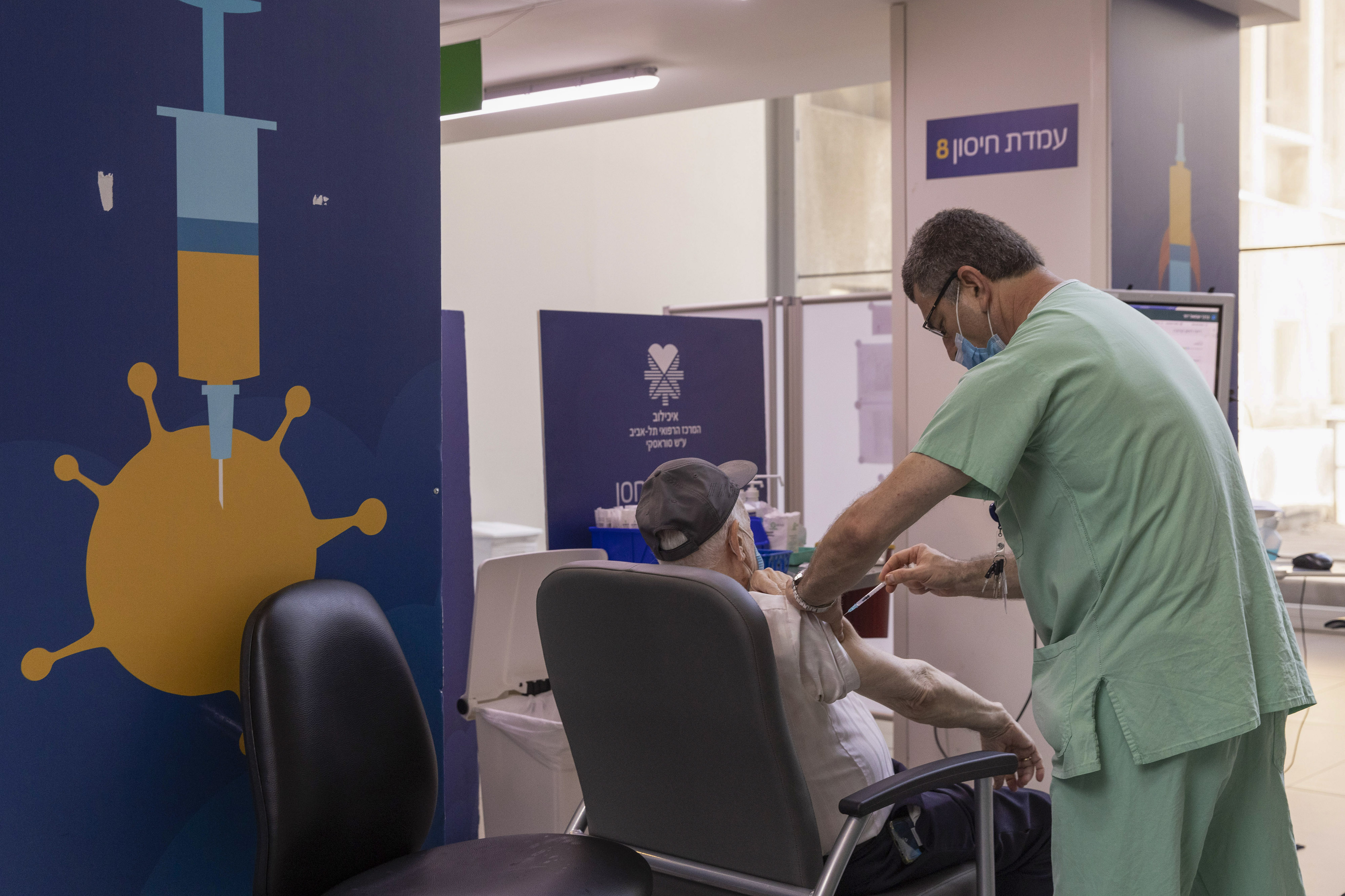
A health worker administers a third dose of the Pfizer-BioNTech COVID-19 vaccine to an elderly resident at Ichilov medical center in Tel Aviv, Israel, on Monday, Aug. 2, 2021.

Enlarge / A health worker administers a third dose of the Pfizer-BioNTech COVID-19 vaccine to an elderly resident at Ichilov medical center in Tel Aviv, Israel, on Monday, Aug. 2, 2021. (credit: Getty | Bloomberg)

Original story 12:41 pm EST: As the ultratransmissible omicron coronavirus variant bears down on the US, the Food and Drug Administration on Monday announced a set of sweeping changes to the availability of Pfizer-BioNTech booster doses.

The regulator expanded access to third doses by authorizing their use for kids 12 to 15 years old. The agency also shortened the interval at which adults and children 12 and up can get a booster after their second dose—moving the time from six months to only five months. Last, the FDA made third doses available to immunocompromised children ages 5 to 11 who may not mount a strong response from only the first two doses.

The FDA’s moves are motivated by omicron and backed by data from Israel, which has a booster program further along than that of the US. In fact, Israeli officials on Monday began offering fourth doses (second booster doses) of the Pfizer-BioNTech vaccine to people ages 60 and over in an effort to sustain high levels of protection in the population. The omicron variant, which is currently powering a vertical rise in cases in the US, has been found to thwart protection from only two vaccine doses, but it can still be defeated with booster doses.

Read 9 remaining paragraphs | Comments

Find the soul