
Staying below 2° C warming costs less than overshooting and correcting

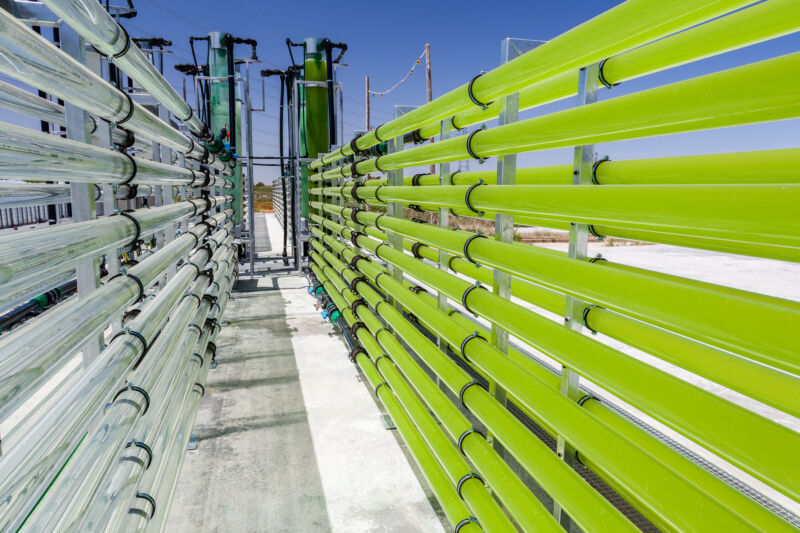
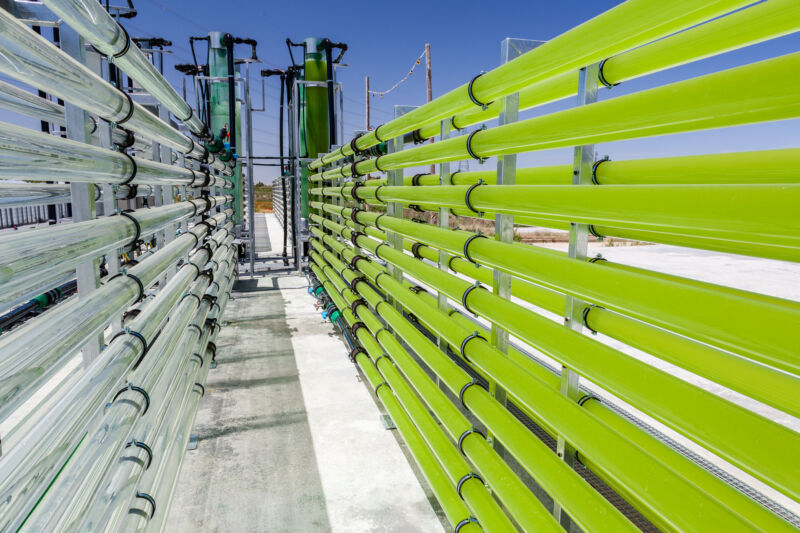
Capturing carbon, as this algae-growing plant does, may not be the most economical way to reach our climate targets.

Enlarge / Capturing carbon, as this algae-growing plant does, may not be the most economical way to reach our climate targets. (credit: Santiago Urquijo / Getty Images)

What will it cost if the climate exceeds the Paris Agreement temperature goals this century—even if we later remove carbon dioxide from the air and manage to bring temperatures back down to meet those targets by 2100? And how does that compare with the costs of staying below those targets?

Most plans that are consistent with the Paris Agreement goals assume that temperatures will rise above 1.5° or even 2° C before 2100. They then heavily rely on the success and wide adoption of what are called negative carbon emissions techniques, which involve the removal of carbon dioxide from the atmosphere to bring temperatures back down. That’s a gamble for a number of reasons.

“Betting on being able to bring temperatures down after a larger overshoot is very risky because of the uncertain technological feasibility and because of the possibility of setting off irreversible processes in the earth system with even a temporary temperature overshoot,” wrote second author Christoph Bertram, of the Potsdam Institute for Climate Impact Research in Germany, in an email to Ars Technica. “Furthermore, such an approach would be unfair to future generations, as it basically would shift more of the mitigation burden on them.”

Read 13 remaining paragraphs | Comments
Elizabeth Holmes and “pinch-to-zoom” in Rittenhouse trial: 2021’s top policy stories

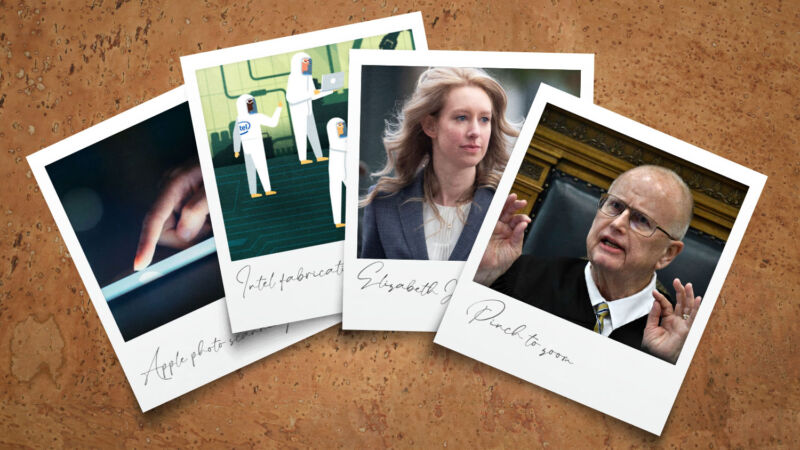
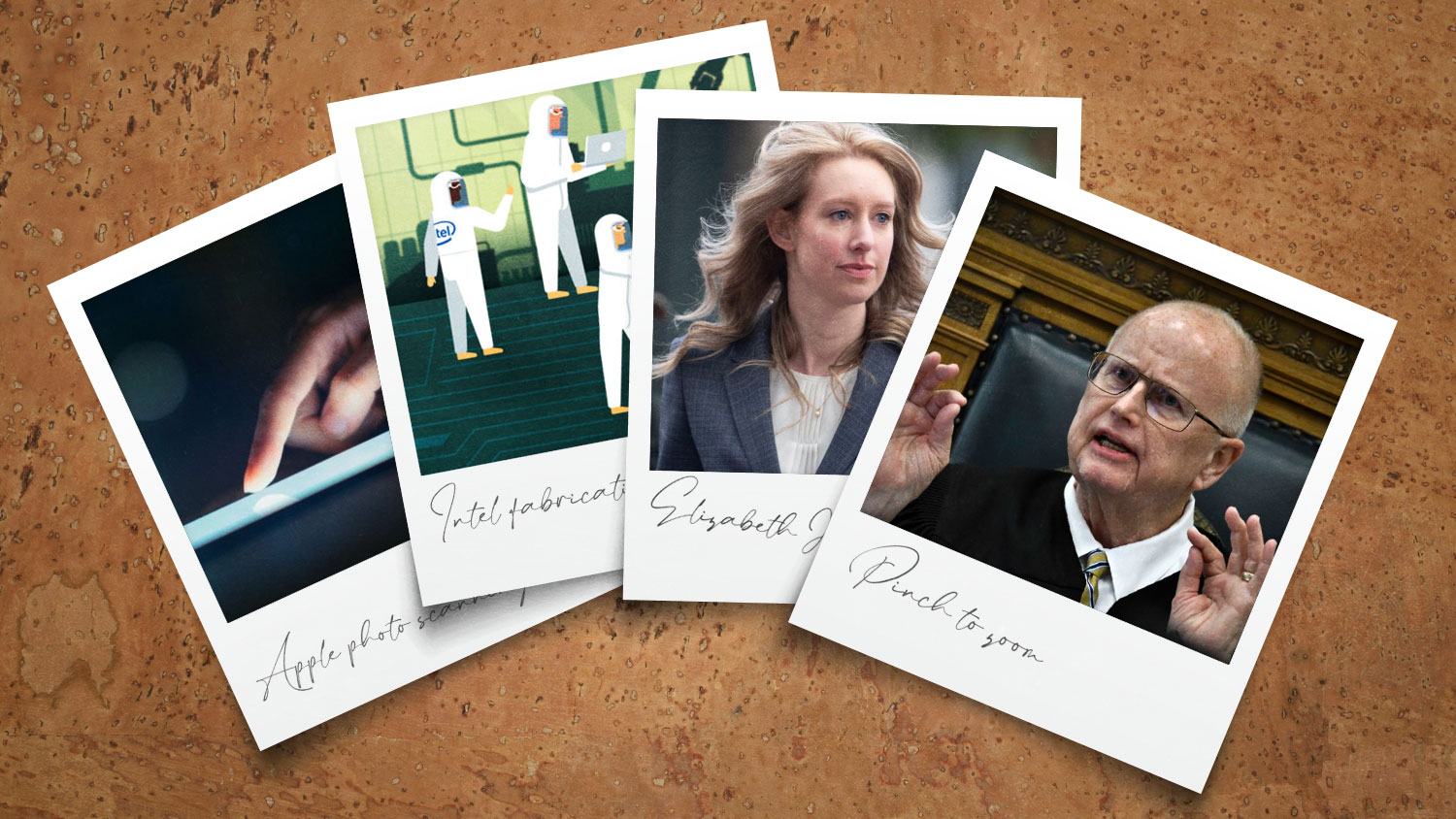
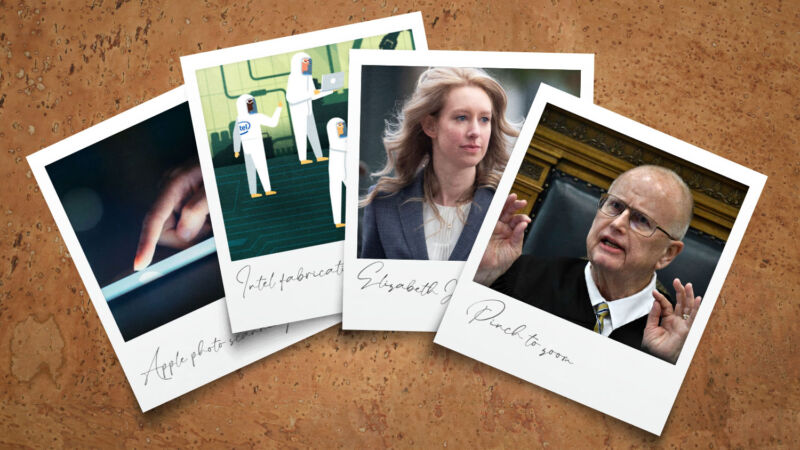
Each photograph in a stack displays a different newsworthy figure from 2021.

Enlarge (credit: Aurich Lawson | Getty Images)

In the world of tech policy news, 2021 began with Twitter and other social networks banning then-President Donald Trump after the January 6 insurrection. Many other noteworthy stories followed in the ensuing months.

The Elizabeth Holmes trial featured fascinating revelations about Theranos, while the judge in the Kyle Rittenhouse trial didn’t let the prosecutor use an iPad’s pinch-to-zoom feature. Missouri’s Republican governor claimed that viewing HTML code is “hacking,” WhatsApp forced users to share data with Facebook, Apple announced a controversial plan to scan photos, and the Supreme Court saved the software industry from API copyrights. President Joe Biden failed to give Democrats a majority on the Federal Communications Commission, and Republicans are now fighting Biden’s belated attempt to fill the FCC’s empty seat.

As usual, we wrote plenty of stories about telecom companies behaving badly—such as when Verizon forced users onto pricier plans to get $50-per-month government subsidies. This article lists and summarizes our top policy stories of the year, which we selected based on reader interest and importance.

Read 26 remaining paragraphs | Comments
Scientists draw inspiration from catchweed to create biodegradable Velcro

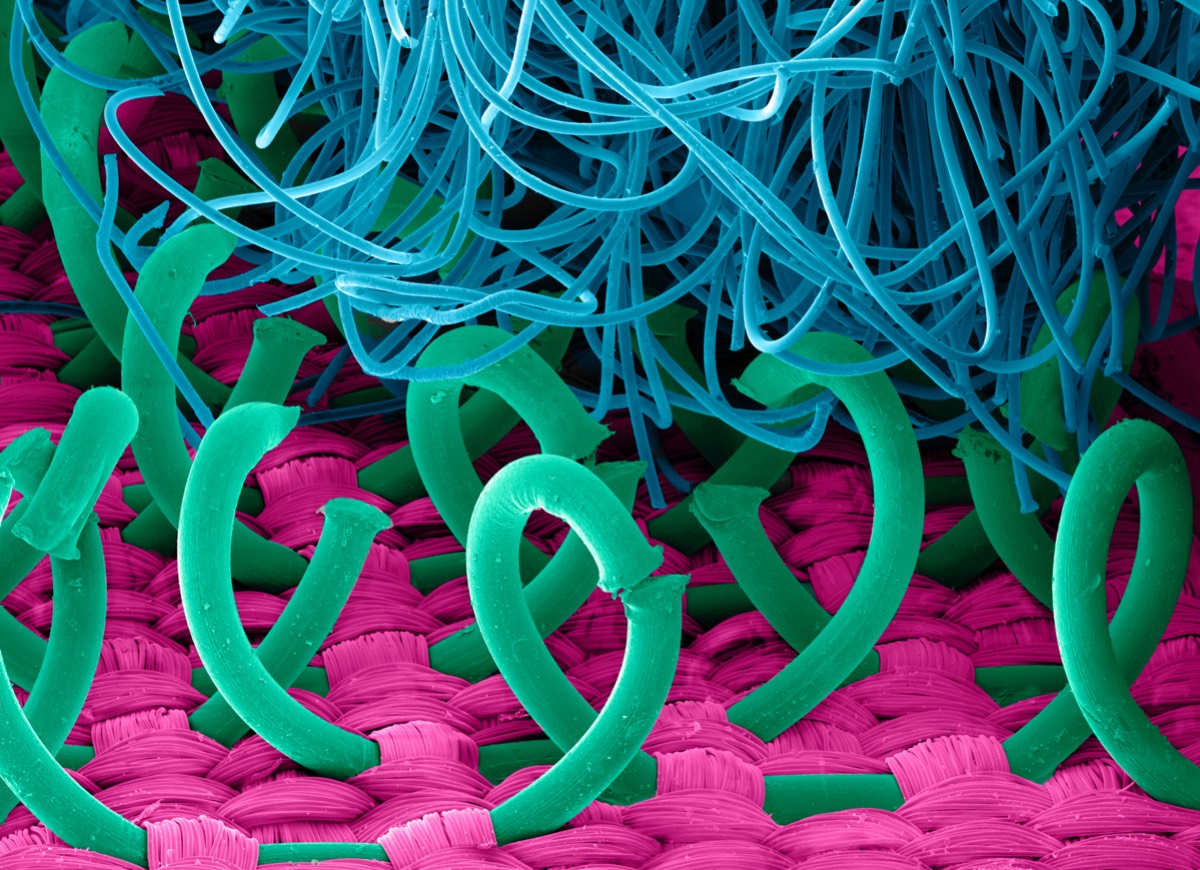
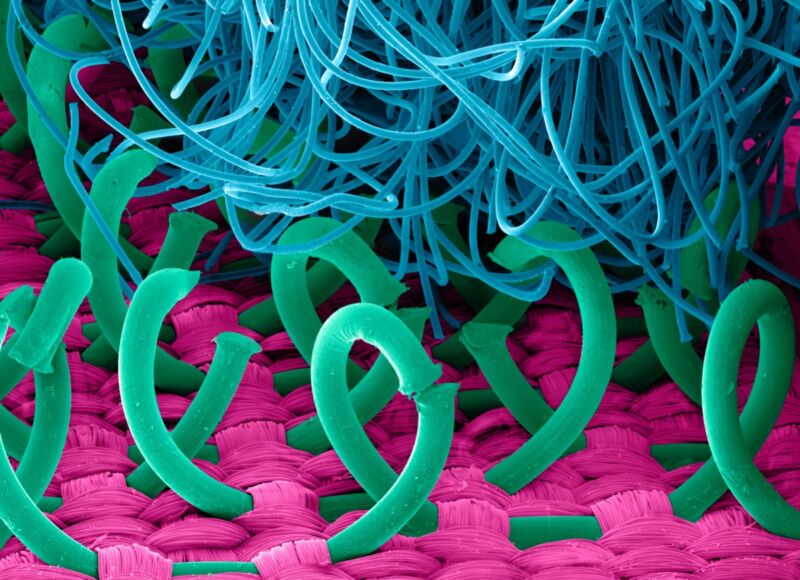
Artist's representation of the microstructure of Velcro. Scientists at the Italian Institute of Technology have created a soft, biodegradable and soluble Velcro inspired by the micro-hook structure of leaves on the “catchweed” plant (<em>Galium aparine</em>).

Enlarge / Artist’s representation of the microstructure of Velcro. Scientists at the Italian Institute of Technology have created a soft, biodegradable and soluble Velcro inspired by the micro-hook structure of leaves on the “catchweed” plant (Galium aparine). (credit: Clouds Hill Imaging Ltd./Getty Images)

There’s rarely time to write about every cool science-y story that comes our way. So this year, we’re once again running a special Twelve Days of Christmas series of posts, highlighting one story that fell through the cracks each day, from December 25 through January 5. Today: biodegradable Velcro draws inspiration from nature to give back to nature.

Velcro is an ingenious hook-and-loop fastener inspired by nature—specifically, cockleburs. Now scientists at the Italian Institute of Technology are returning the favor. They have created the first biodegradable Velcro—inspired by climbing plants—and used it to build small devices to help monitor the health of crop plants and deliver pesticides and medicines as needed, according to a November paper published in the journal Communications Materials.

Velcro’s creator was a Swiss engineer named George de Mestral, who combined his love of invention with a passion for the great outdoors. After finishing school, he took a job in the machine shop of a Swiss engineering company. In 1948, de Mestral took a two-week holiday from work to go game bird hunting. While out hiking with his Irish pointer in the Jura Mountains, he was plagued by cockleburs (burdock seeds), which clung relentlessly to both his clothing and his dog’s fur.

Read 15 remaining paragraphs | Comments
Find the soul