

First, do no harm: An argument for a radical new paradigm for treating addiction

A call for radical empathy: In her 2021 book, <em>Undoing Drugs: The Untold Story of Harm Reduction and the Future of Addiction</em>, Maia Szalavitz argues for adopting the controversial practice of harm reduction when treating addiction.

Enlarge / A call for radical empathy: In her 2021 book, Undoing Drugs: The Untold Story of Harm Reduction and the Future of Addiction, Maia Szalavitz argues for adopting the controversial practice of harm reduction when treating addiction. (credit: iStock / Getty Image)

There’s rarely time to write about every cool science-y story that comes our way. So this year, we’re once again running a special Twelve Days of Christmas series of posts, highlighting one science story that fell through the cracks in 2020, each day from December 25 through January 5. Today: why we should replace the punitive approach of the “war on drugs” with a radical new paradigm for treating addiction.

In 1986, Maia Szalavitz was a heroin addict in New York City, weighing a scant 80 pounds and shooting up as often as 40 times a day. She had just discovered the heady mixture of cocaine and heroin known as speedballs, and had no intention of quitting, even though HIV was spreading rapidly through the community thanks to the practice of sharing dirty needles. But a chance encounter in an East Village apartment likely saved her life.

A woman visiting from California taught Szalavitz how to protect herself by running bleach through a shared syringe at least twice, then rinsing twice with water, as well as washing the injection point. It was Szalavitz’s first encounter with so-called “harm reduction,” an approach to treating addiction that emphasizes ways to minimize the risks and negative consequences associated with substance abuse—not just the risk of addiction and disease, but also social stigma, poverty, and imprisonment. Needle-exchange programs, for instance, supply free clean syringes to addicts, thereby reducing the spread of HIV.

Read 30 remaining paragraphs | Comments

Ars Technica’s top 20 video games of 2021

In the world of video games, 2021 may forever be remembered as the year of COVID’s great reckoning. 2020 was already rough, but many of its biggest games were mostly completed in a normal development cycle. Projects slated for the following year weren’t as lucky.

Thus, this year’s gaming news was rich with delays, piping-hot launches, unfinished messes, and game publishers scrambling to fill their schedules with undercooked backup plans. And that says nothing about gamers themselves, wondering if crucial chips and parts might ever be plentiful enough again so they can buy the latest in console and PC gear.

Yet against all odds, fantastic games still crossed 2021’s finish line, ranging from big-budget behemoths to surprising indies. This year, in an effort to reduce ranking-based ire and celebrate every game on our list, we’re removing numbered rankings, with the exception of crowning a formal Ars Technica pick for Best Video Game of 2021 at the list’s very end.

Read 106 remaining paragraphs | Comments

AWS CDK v2 Tutorial – How to Create a Three-Tier Serverless Application

A Three-tier web applications has a presentation layer, an application layer, and a database layer. This familiar pattern is fertile ground for learning new technologies like the AWS Cloud Development Kit (CDK). In this tutorial, we will create a simple note-taking application using a DynamoDB table, HTTP API endpoints, Lambda

X-ray analysis confirms forged date on Lincoln pardon of Civil War soldier

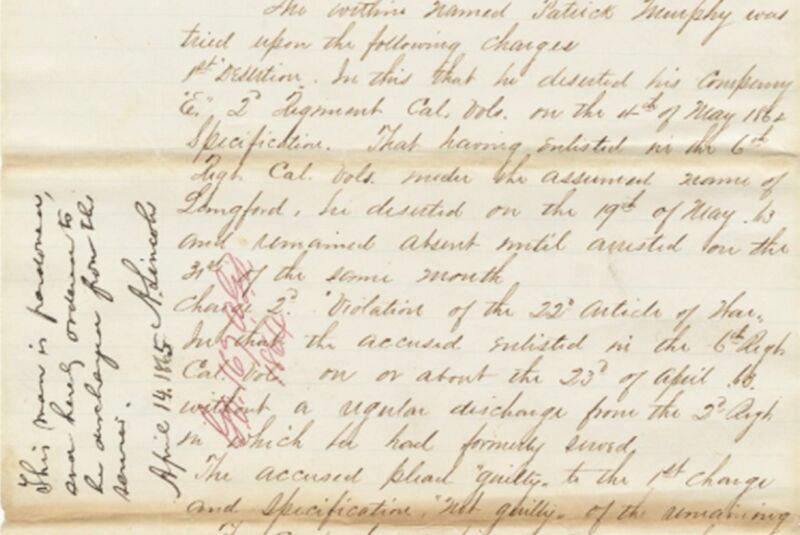
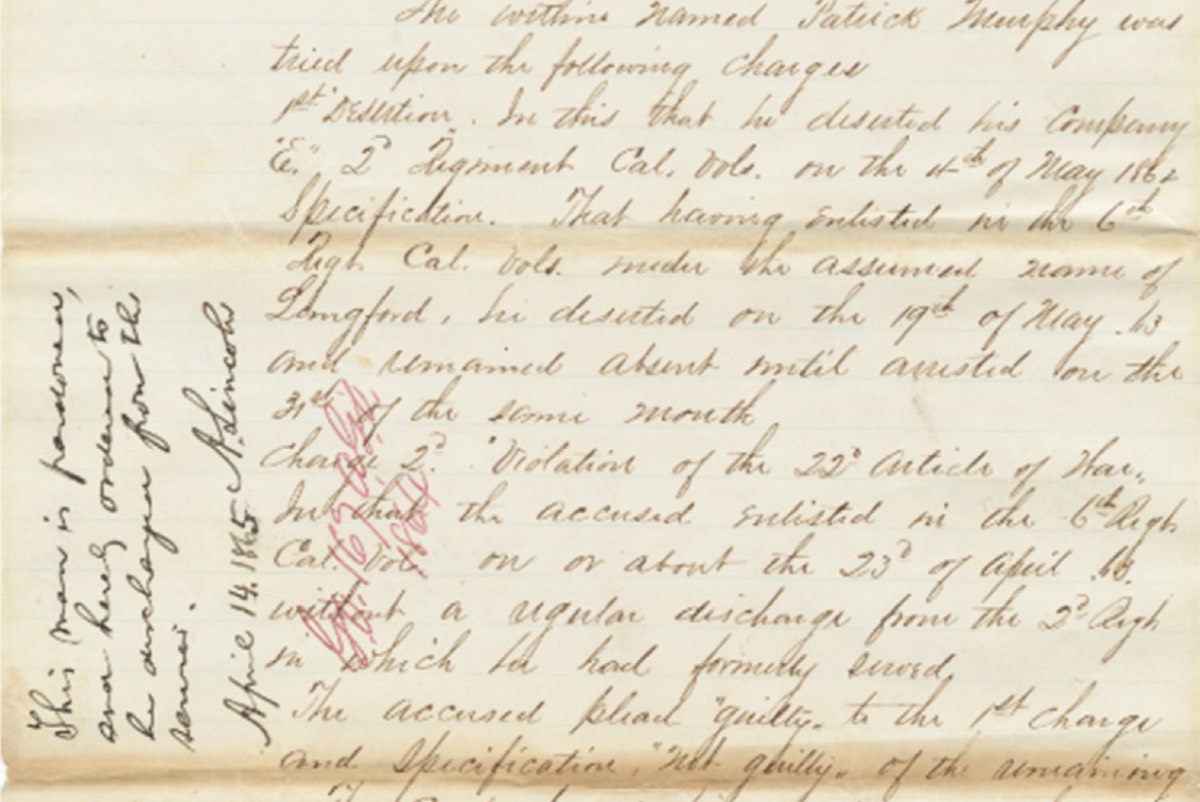
Abraham Lincoln's pardon for Patrick Murphy, a Civil War soldier in the Union Army who was court-martialed for desertion.

Enlarge / Abraham Lincoln’s pardon for Patrick Murphy, a Civil War soldier in the Union Army who was court-martialed for desertion. (credit: National Archives)

There’s rarely time to write about every cool science-y story that comes our way. So this year, we’re once again running a special Twelve Days of Christmas series of posts, highlighting one story that fell through the cracks each day, from December 25 through January 5. Today: the results of forensic analysis of Abraham Lincoln’s letter pardoning a Civil War soldier confirms the April 14, 1865 date was forged—and it can’t be removed without damaging the document.

A document containing President Abraham Lincoln’s signed pardon of a Civil War soldier has been the source of much controversy since its 1998 discovery, after historians concluded that the date had likely been altered to make the document more historically significant. A new analysis by scientists at the National Archives has confirmed that the date was indeed forged (although the pardon is genuine), according to a November paper published in the journal Forensic Science International: Synergy. The authors also concluded that there is no way to restore the document to its original state without causing further damage.

Thomas Lowry is a retired psychiatrist turned amateur historian, specializing in military records of the Civil War, and has authored numerous Civil War histories. Back in 1998, he and his wife Beverly were combing through a trove of rarely studied courts martial at the National Archives, carefully indexing the documents. At the time, there were no security cameras in the room, and Archive staffers knew the Lowrys and trusted them. The couple discovered some 570 documents with Lincoln’s signature.

Read 16 remaining paragraphs | Comments
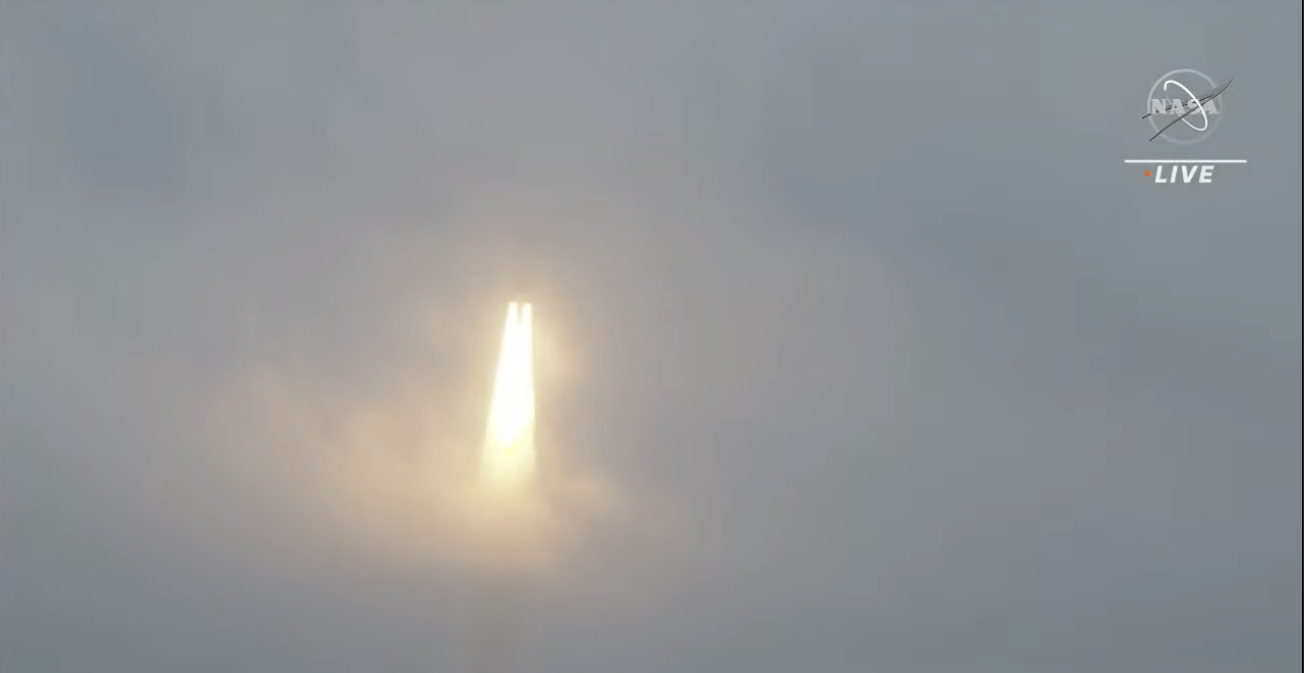
Webb Telescope away with two major hurdles cleared after flawless launch

Away it goes.

Enlarge / Away it goes.

Space Telescope Science Institute, Baltimore, MD — Today, the James Webb Space Telescope started its journey to a location over a million kilometers from Earth, where it will start its science mission in roughly six months. “This is a day for the ages,” said Ken Sembach, director of the Space Telescope Science Institute. “Science won’t be the same after today.”

Sembach said those words roughly an hour before the launch, well before any last minute glitches could have delayed matters, and long before the complicated series of events that would see parts of the observatory unfold from their compact launch configuration. After years of delays, and so much riding on these events, you might expect a greater sense of tension among those gathered here to watch the launch, but the people gathered at the Space Telescope Science Institute seemed remarkably relaxed. At least until you asked them how they were feeling.

And, so far at least, that confidence appears to be well placed. The launch countdown went forward without delay, and each step along the way—separating of solid rocket boosters, release of the fairing—went exactly as planned, and the rocket tracked exactly along the planned trajectory. Video from the rocket’s second stage showed the telescope’s solar panel deploy, and shortly after controllers here indicated it was fully powered.

Read 7 remaining paragraphs | Comments
Santa and the elves aren’t so cuddly in these Nordic Christmas horror gems

(left) A young boy named Pietari (Onni Tommila) battles a mythic/demonic Santa in <em>Rare Exports:  Christmas Tale</em>. (right) A young girl named Josefine (Sonia Steen) befriends a strange woodland creature and upsets the delicate balance of a remote island in <em>Elves</em>.

Enlarge / (left) A young boy named Pietari (Onni Tommila) battles a mythic/demonic Santa in Rare Exports: Christmas Tale. (right) A young girl named Josefine (Sonia Steen) befriends a strange woodland creature and upsets the delicate balance of a remote island in Elves. (credit: Oscilloscope Labs/Netflix/Sean Carroll)

Western Christmas tradition centers on the jolly figure of Santa Claus and his workshop manned by adorably cheery elves at the North Pole. Fantasy is dominated by figures like J.R.R. Tolkien’s majestic elves in the Lord of the Rings trilogy, inspired by Old English poetry.  But there are other, darker incarnations of elvish creatures in folklore from around the world.

If you’re in the mood for something a bit different for your holiday entertainment this weekend, I highly recommend a Christmas double feature drawing inspiration from Nordic folklore:  Elves, a new Danish series that debuted on Netflix last month, and a delightful 2010 Finnish film called Rare Exports: A Christmas Tale (2010).

(Some spoilers below but no major reveals.)

Read 13 remaining paragraphs | Comments

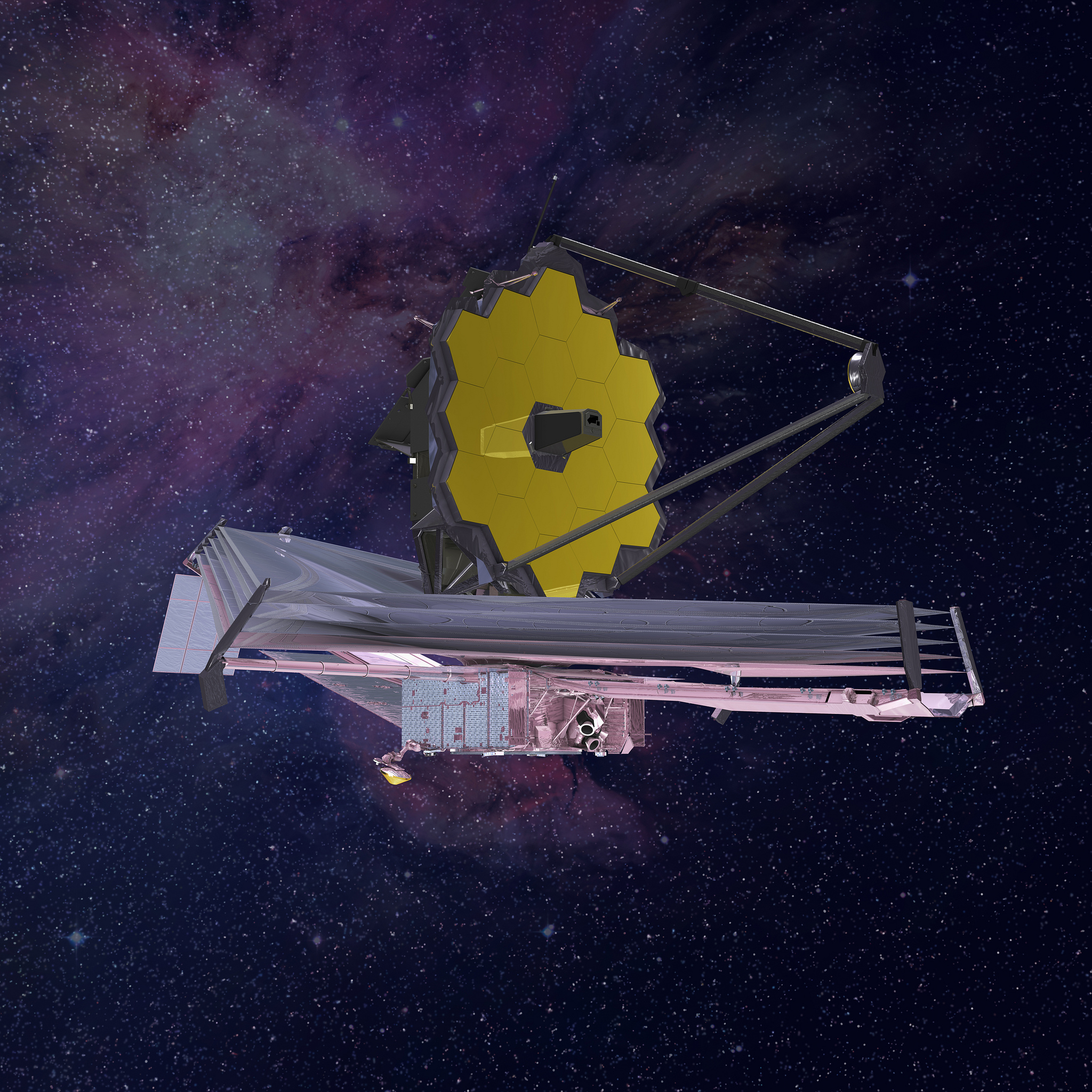
Tune in as NASA and the ESA try launch the next great space telescope

Image of the Webb Space Telescope.

Enlarge / Most of what you see here will be unfolded in the weeks to months after launch. (credit: Northrop Grumman)

There have been years of delays in construction and a few late slips in the launch schedule, with the latest being a short delay due to bad weather at the South American launch site. But the fates seem to have settled on the 25th for the launch of the James Webb Space Telescope—now less than 24 hours away. Hard to believe it’s actually happening, right?

If all goes well, tomorrow will see the telescope sent on its way to the L2 Lagrange point with its solar panels and its main communication antenna unfolded. In the ensuing weeks, that hardware will be followed by the extension of the telescope’s sun screen, and later by the unfolding of the telescope itself. There will be multiple points of potential failure before we can be confident that the hardware will live up to its promise.

(If you want a relatively complete timeline of everything that has to happen in the six months between launch and operations, NASA’s got you covered.)

Read 1 remaining paragraphs | Comments

Find the soul