


Feds allege destructive Russian hackers targeted US oil refineries

Critical infrastructure sites such as this oil refinery in Port Arthur, Texas, rely on safety systems.

Enlarge / Critical infrastructure sites such as this oil refinery in Port Arthur, Texas, rely on safety systems. (credit: IIP Photo Archive)

For years, the hackers behind the malware known as Triton or Trisis have stood out as a uniquely dangerous threat to critical infrastructure: a group of digital intruders who attempted to sabotage industrial safety systems, with physical, potentially catastrophic results. Now the US Department of Justice has put a name to one of the hackers in that group—and confirmed the hackers’ targets included a US company that owns multiple oil refineries.

On Thursday, just days after the White House warned of potential cyberattacks on US critical infrastructure by the Russian government in retaliation for new sanctions against the country, the Justice Department unsealed a pair of indictments that together outline a years-long campaign of Russian hacking of US energy facilities. In one set of charges, filed in August 2021, authorities name three officers of Russia’s FSB intelligence agency accused of being members of a notorious hacking group known as Berserk Bear, Dragonfly 2.0, or Havex, known for targeting electrical utilities and other critical infrastructure worldwide, and widely suspected of working in the service of the Russian government.


Read 10 remaining paragraphs | Comments

The weekend’s best deals: New Apple iPad Air, tons of PC games, and more

The weekend’s best deals: New Apple iPad Air, tons of PC games, and more

Enlarge (credit: Ars Technica)

It’s the weekend, which means it’s time for another Dealmaster. Our latest roundup of the best tech deals from around the web includes an early discount on Apple’s newest iPad Air, the 64GB version of which is down to $570 at Amazon. That’s just a $30 discount, but it’s notable given that the tablet only began shipping last week. The one caveat is that Amazon is showing shipping delays as of this writing; if you need to have the device within the next couple of weeks, you may still be better off paying full price at Apple. But if you were planning on picking up the tablet anyway and are willing to wait, it’s a nice little savings.

We gave the new iPad Air a positive review last week, calling it “the best tablet for most people who can afford it.” While it isn’t a major overhaul compared to the previous model, it upgrades to Apple’s M1 system-on-a-chip, which is the same SoC used in the iPad Pro and MacBook Air, among other pricier Apple devices. It’s exceptionally quick as a result, to the point where performance shouldn’t be an issue for years to come. The included USB-C port now delivers faster transfer speeds, too, and the front-facing camera is now a 12 MP unit (up from 7 MP) that supports Apple’s “Center Stage” feature.

The iPad Air’s closest competition still comes from Apple itself. The 11-inch iPad Pro includes twice as much storage by default (128GB), better speakers, and a brighter display that supports a higher 120 Hz refresh rate, but it costs about $180 more. The entry-level iPad, meanwhile, is far more affordable at $329 and still performs well for everyday tablet tasks, but it’s not as powerful on the whole and uses a more dated design. For those willing to pay a bit more, the new iPad Air is a strong middle ground: it still has a great display for media consumption, and when paired with the right accessories, it’s as powerful as the current iPad Pro for getting more involved work done.

Read 3 remaining paragraphs | Comments

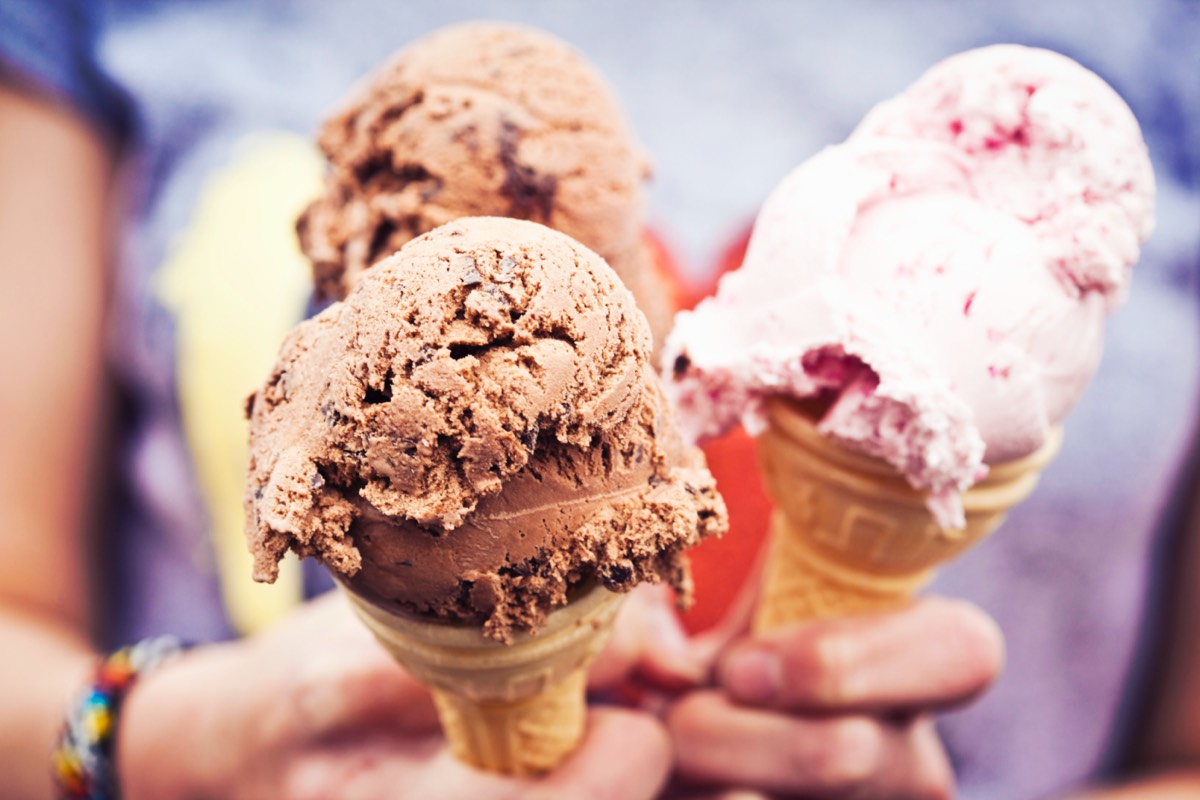
Secret to keeping ice cream creamy (not crunchy) might be plant-based nanocrystals

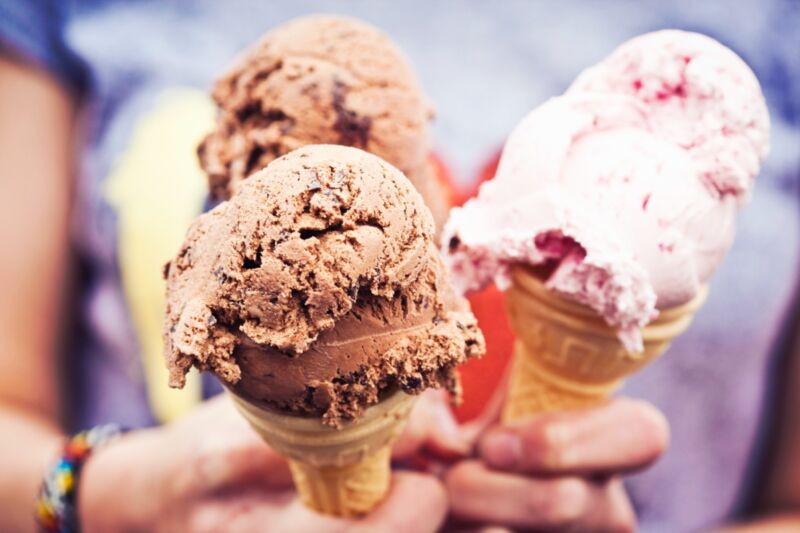
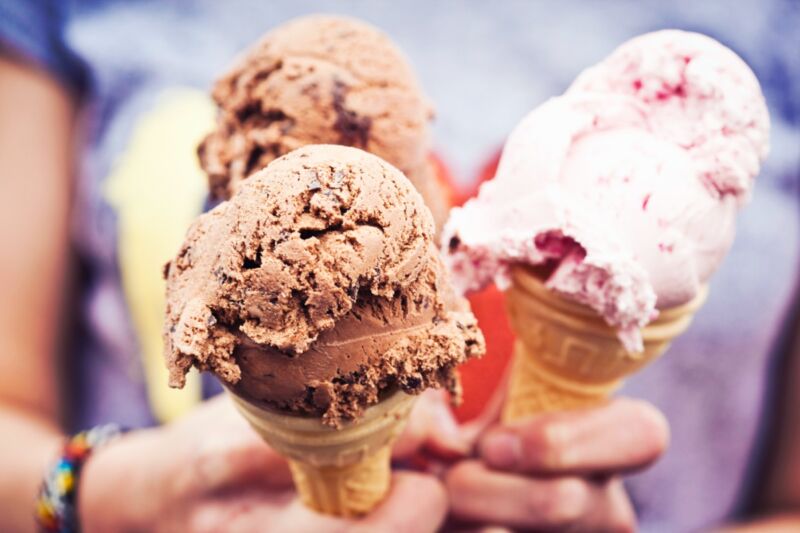
Don't you hate it when ice crystals form and make your ice cream all crunchy? Scientists at the University of Tennessee found that plant cellulose could work better than the additives manufacturers currently use to slow the growth of ice crystals.

Enlarge / Don’t you hate it when ice crystals form and make your ice cream all crunchy? Scientists at the University of Tennessee found that plant cellulose could work better than the additives manufacturers currently use to slow the growth of ice crystals. (credit: Sally Anscombe/Getty Images)

We’ve all made the mistake of leaving a container of ice cream on the kitchen counter for a bit too long. Sure, you can refreeze the half-melted treat, but you may find that the texture is far more crunchy than delectably creamy afterward. The culprit is overly large ice crystals. Scientists at the University of Tennessee think they’ve found a plant-based additive to stop the formation of these crystals, and it’s more effective and cheaper than the additives currently used by ice cream manufacturers. The researchers presented their work at this past week’s meeting of the American Chemical Society in San Diego.

“Food science is not cooking,” Tao Wu, a food scientist specializing in carbohydrate chemistry, said during a press conference. “It’s a multi-disciplinary field that uses chemistry, biology, and engineering to solve real-world problems in the production of food. For instance, we must use good chemistry knowledge to produce high-quality ice cream.”

The basic science involved in making ice cream is well known. (Physics students have even been known to use liquid nitrogen to make their own ice cream in the lab.) Just heat milk, cream, and sugar until the sugar dissolves; cool the mixture; and add any flavorings. Then slowly churn that mixture as it freezes. This adds air to the mixture, inflating the volume (overrun). The best ice creams, including gelato, have an overrun of less than 25 percent compared to cheap commercial ice creams, where the overrun can be as high as 100 percent. That higher overrun is why cheap ice creams melt more quickly and don’t store as well. Finally, pack the soft ice cream mixture into containers for the final step in the process (hardening).

Read 9 remaining paragraphs | Comments

FCC puts Kaspersky on security threat list, says it poses “unacceptable risk“

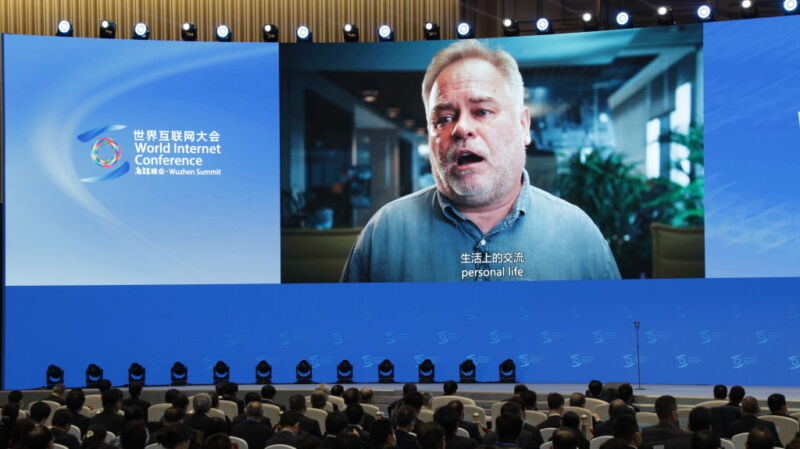
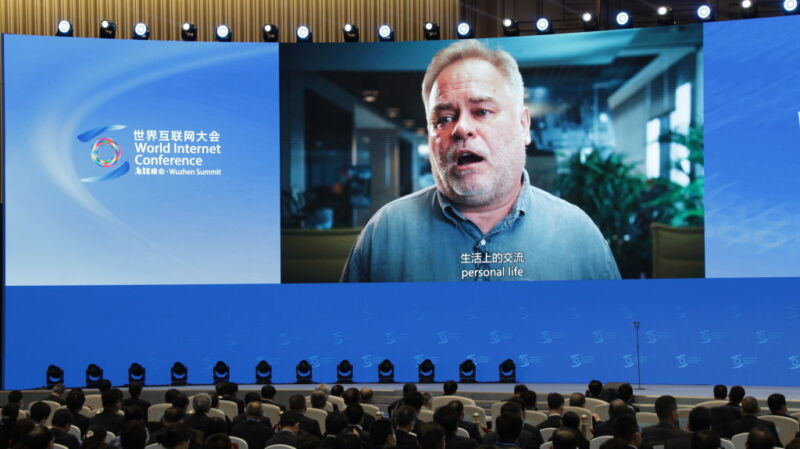
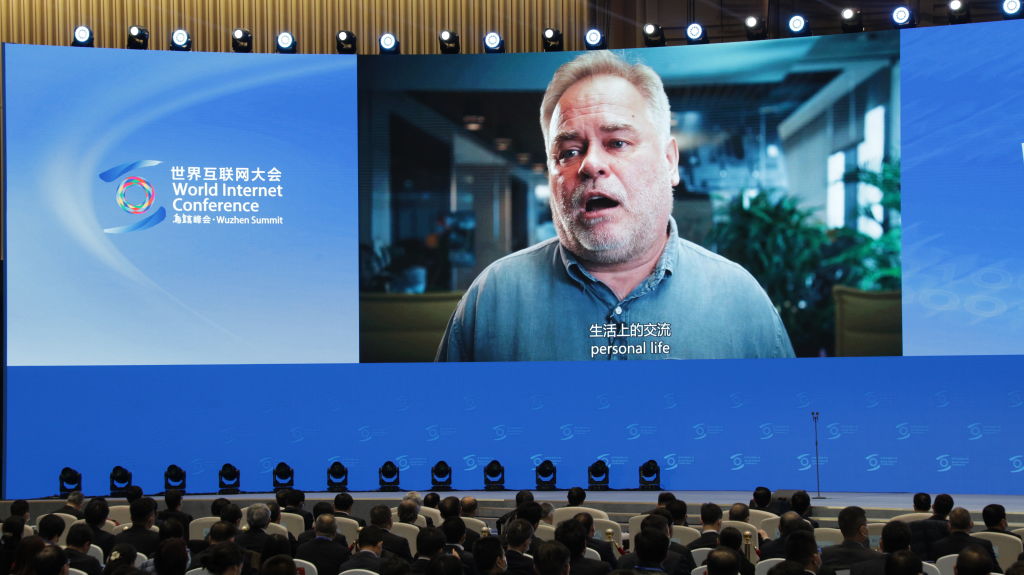
Eugene Kaspersky, CEO and founder of Moscow-based Kaspersky, at the 2020 World Internet Conference (WIC) at Wuzhen, China.

Enlarge / Eugene Kaspersky, CEO and founder of Moscow-based Kaspersky, at the 2020 World Internet Conference (WIC) at Wuzhen, China. (credit: Getty Images)

The Federal Communications Commission on Friday determined that security products from Kaspersky posed an unacceptable risk to US national security and added the company to a covered list of other firms not eligible for FCC funds.

The move adds Kaspersky to the same covered list that Huawei and ZTE landed on in 2021. Besides its Moscow headquarters, the company’s founder, Eugene Kaspersky, attended a KGB-sponsored technical college and has long been accused of having ties to Russian military and intelligence services.

Kaspersky, which was already banned from all US government networks, was one of three firms added to the covered list on Friday. China Mobile and China Telecom were the other two.

Read 5 remaining paragraphs | Comments

Find the soul