
Google OnHub router will join Google’s list of dead products next December

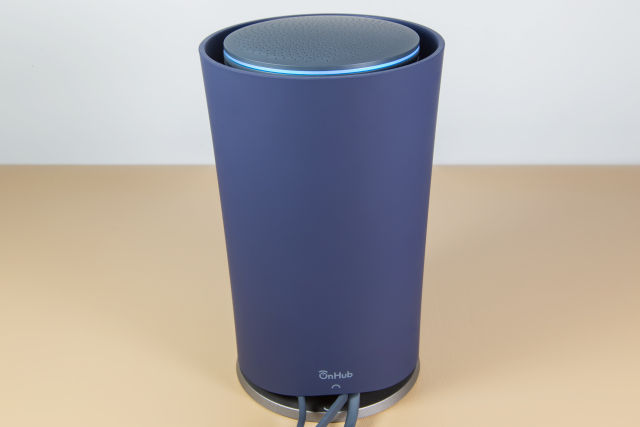
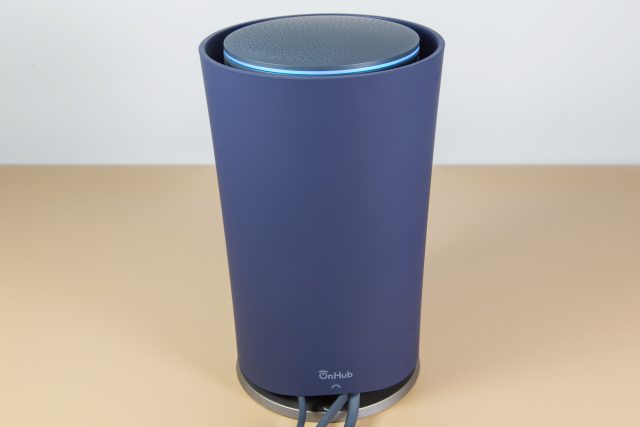
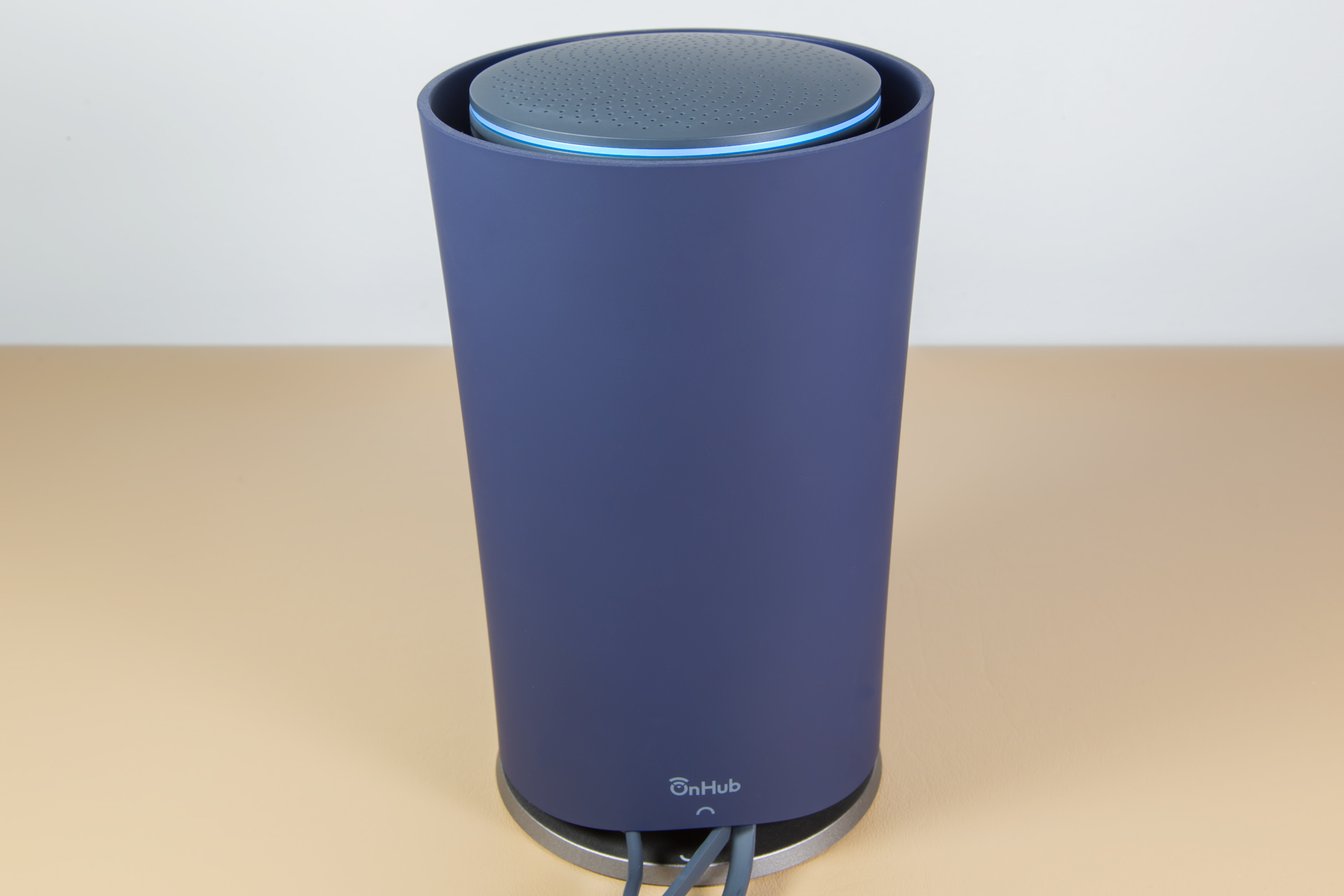
The Google OnHub.

Enlarge / The Google OnHub. (credit: Ron Amadeo)

If you’re still using a Google OnHub router, Google wants you to know that you’re nearing the end of the line. According to Android Police, the company has been emailing OnHub owners to let them know that support for the router is ending on December 19, 2022. The router will still function on a basic level after that date, but advanced services and router configuration will no longer be available through Google’s apps, and you’ll no longer receive security updates.

In the email it’s sending to OnHub users, Google is also offering 40 percent discounts on Nest Wifi hardware for people who want to replace their OnHub with another Google router.

OnHub has always been a bit of an outlier in Google’s hardware lineup; it shipped with mediocre performance and was never very flexible or configurable, and it was replaced with Google Wifi (now Nest Wifi) just a year after it launched. OnHub early adopters could always integrate the older router into their modern Google or Nest Wifi setups as a router or satellite, but that functionality will presumably go away when Google ends support a year from now.

Read 1 remaining paragraphs | Comments

Boeing, Airbus wade into 5G scuffle, ask Biden admin to delay rollout

Aircraft manufacturers Boeing and Airbus claim that an upcoming C-band 5G rollout will interfere with airplane instrumentation.

Enlarge / Aircraft manufacturers Boeing and Airbus claim that an upcoming C-band 5G rollout will interfere with airplane instrumentation.

Boeing and Airbus have asked US Department of Transportation Secretary Pete Buttigieg to delay the deployment of C-band spectrum for 5G wireless service. The companies claim the rollout will interfere with key aircraft instruments.

“5G interference could adversely affect the ability of aircraft to safely operate,” said the letter, which has been obtained by Reuters. Boeing CEO David Calhoun and Airbus Americas CEO Jeffery Knittel claim that the rollout, currently scheduled for January 5, could have “an enormous negative impact on the aviation industry.”

Both manufacturers and aviation regulators have expressed concerns over C-band 5G signals interfering with radio altimeters on commercial aircraft. The instruments work by beaming radio signals in the 4.2–4.4 GHz band toward the ground and listening for a reply. By measuring the time it takes for the signal to return to the sensor, the aircraft can calculate its height above the ground. Radio altimeters give pilots a more precise reading than barometric altimeters, which rely on air pressure.

Read 7 remaining paragraphs | Comments

Biden’s omicron battle plan includes 500 million home test kits

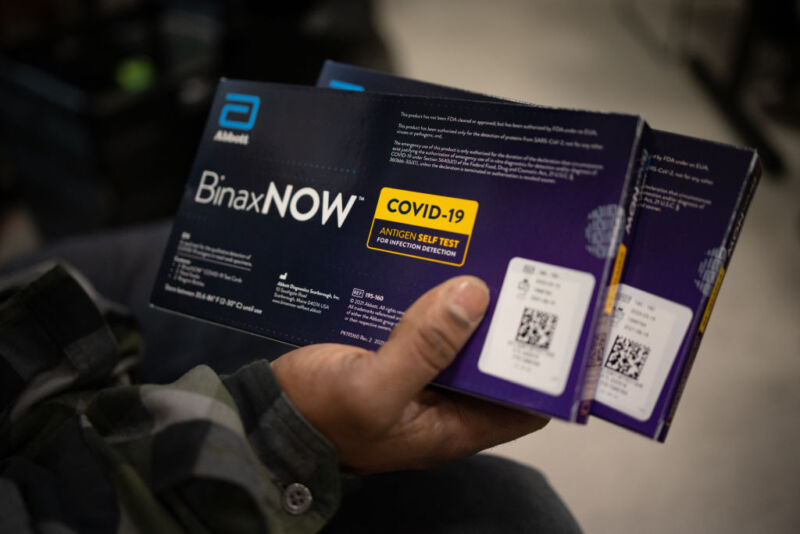
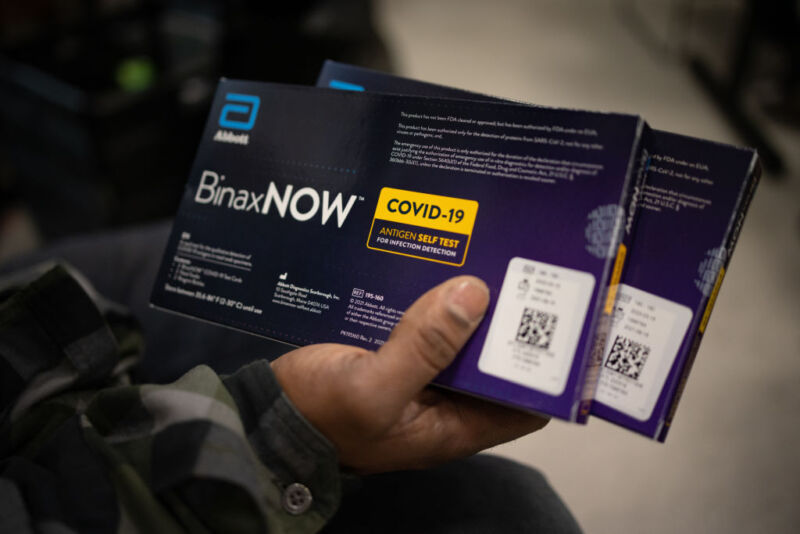
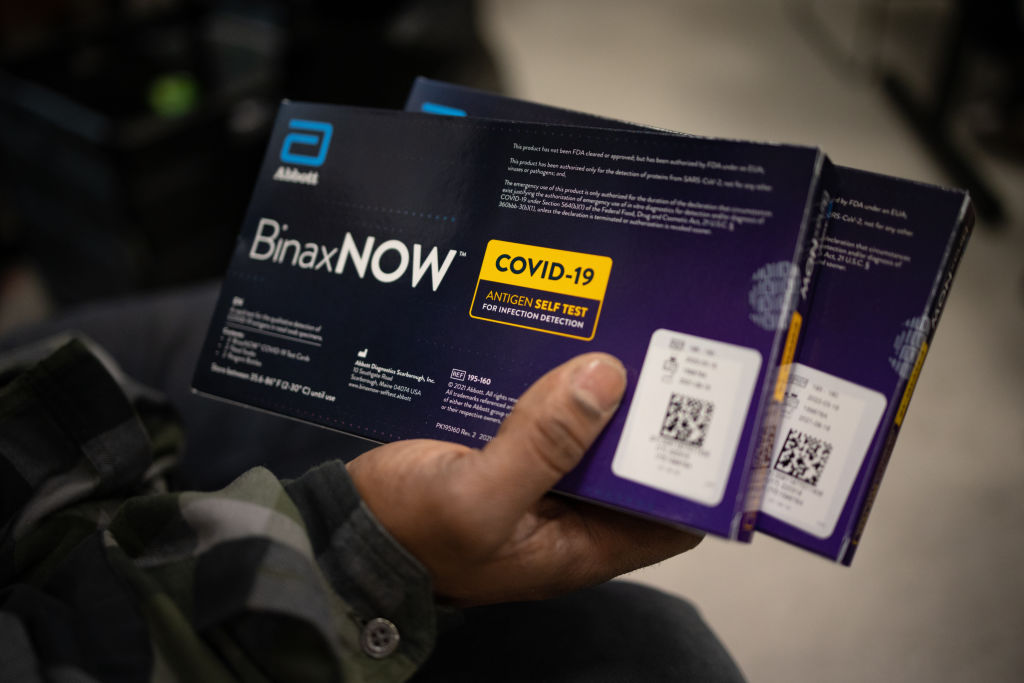
Rapid at-home COVID-19 test kits.

Enlarge / Rapid at-home COVID-19 test kits. (credit: Bloomberg | Getty Images)

In an address to the nation today, President Joe Biden outlined his administration’s plans to battle the omicron variant. The federal government plans to purchase 500 million rapid COVID-19 test kits for home use, set up new testing sites, and mobilize 1,000 military medical personnel to pitch in at hospitals slammed by the surge in COVID-19 cases.

“I want to start by acknowledging how tired, worried and frustrated many of you are,” Biden said at the onset of his remarks.

Biden then encouraged vaccine holdouts to take action as omicron spreads across the country. “If you’re not fully vaccinated, you have good reason to be concerned.” He additionally called on folks who have not received boosters to schedule them.

Read 6 remaining paragraphs | Comments

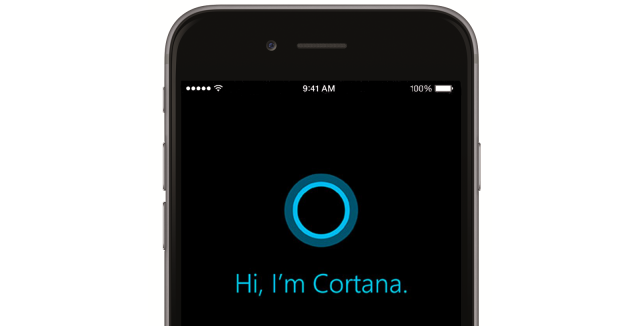
Steve Ballmer’s “parting gift” as Microsoft CEO: Trying to name Cortana “Bingo”

Extreme close-up photograph of smartphone against a white background.

Cortana on an iPhone. (credit: Microsoft)

Microsoft’s Cortana voice assistant is clearly winding down—the feature is still available in the desktop versions of Windows, but it’s no longer included in a default install of Windows 11, and the mobile app was discontinued back in March.

But the future once looked bright for the chipper virtual assistant, according to former Microsoft Product Manager Sandeep Paruchuri in an interview with the Big Bets newsletter. Paruchuri speaks at length about Cortana’s development as a feature for Windows Phone 8.1 from its beginnings as a passion project with a small team.

The Cortana feature was only officially called “Cortana” after the codename leaked during development—another early suggestion was “Alyx,” and then-CEO Steve Ballmer tried to name it “Bingo” as a “parting gift” before handing the reins to current CEO Satya Nadella. (Ballmer had “poor product taste,” says Paruchuri, in what we in the tech biz call “an understatement.”) Cortana’s developers were inspired by Siri but wanted their voice assistant to be more proactive, making suggestions based on context and user data rather than merely responding to direct input. The team also wanted Cortana to have more of a personality than Siri or Google Now, which was helped along by Cortana’s Halo voice actor, Jen Taylor. 

Read 2 remaining paragraphs | Comments

Find the soul